how-to
Understanding Federalism: A Concise Guide
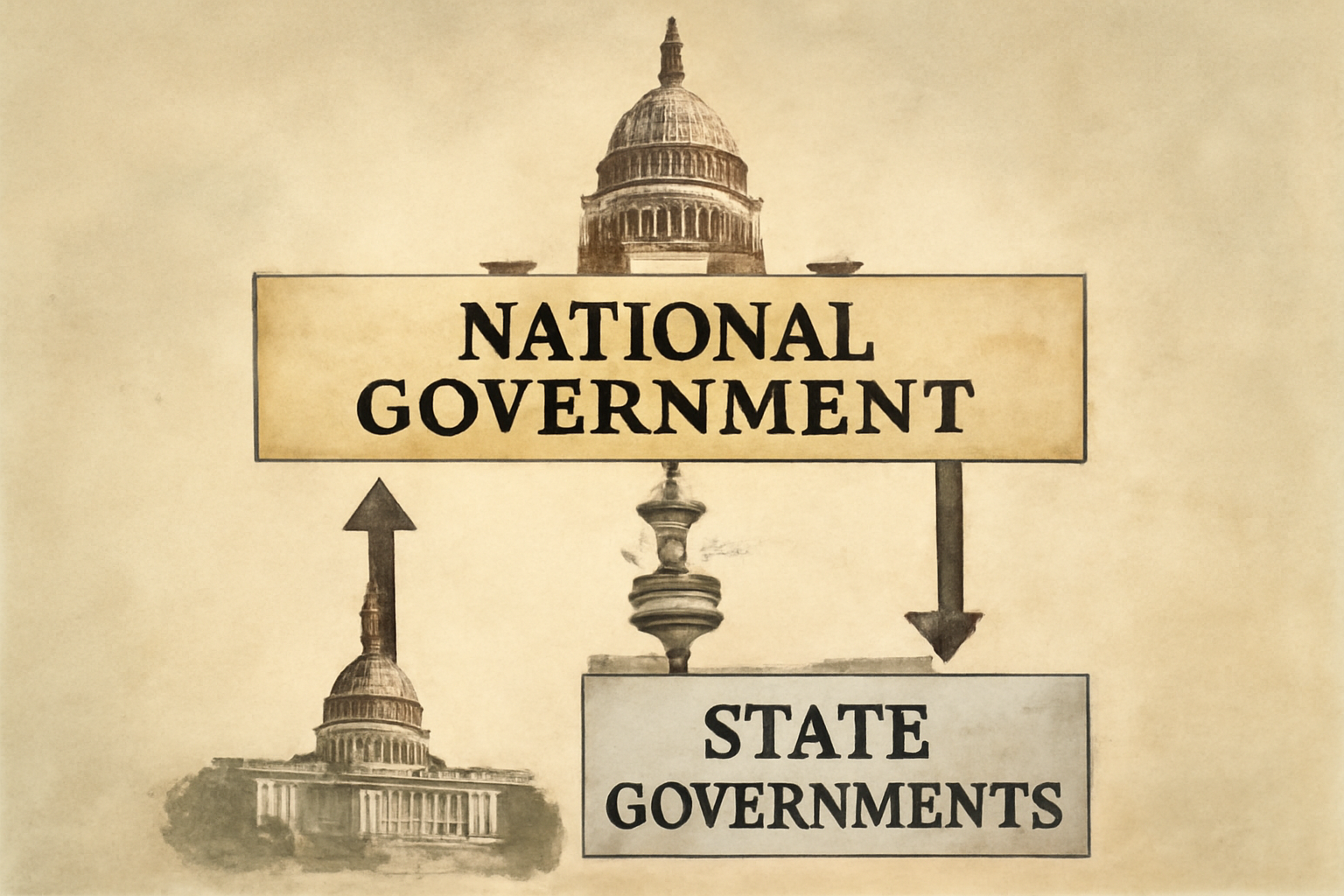
Federalism is a system of government where power is divided between a central authority and constituent political units, such as states or provinces. This structure allows for a balance of power, enabling both national and local governments to operate effectively within their respective domains.
The Principles of Federalism
At its core, federalism is about dividing sovereignty. The national government handles issues that affect the country as a whole, such as defense, foreign policy, and trade. Meanwhile, state or provincial governments manage local matters like education, transportation, and healthcare. This division is intended to ensure that decisions are made at the most appropriate level, promoting efficiency and responsiveness to local needs.
The U.S. Constitution is a primary example of federalism in action. It outlines the powers of the federal government and reserves all other powers to the states or the people. The Tenth Amendment explicitly states, "The powers not delegated to the United States by the Constitution, nor prohibited by it to the States, are reserved to the States respectively, or to the people." This framework is designed to prevent the concentration of power and protect individual liberties by ensuring multiple levels of government can check each other.
How Federalism Works
Federalism operates through a system of checks and balances. The national government can influence state policies through funding and regulations, while states can challenge federal authority through the courts. This dynamic creates a balance where neither level of government becomes too powerful.
For instance, the U.S. Supreme Court often plays a crucial role in interpreting the Constitution and resolving disputes between state and federal authorities. A recent example is the Wisconsin Supreme Court's decision to hold off on suspending a law license, illustrating how state courts can impact legal interpretations and enforcement within their jurisdiction source.
Benefits of Federalism
Federalism offers several advantages. It allows for diversity in policy-making, enabling states to tailor solutions to their unique populations and circumstances. This flexibility can foster innovation, as states can experiment with different approaches to common problems. Successful policies can serve as models for other states or even the federal government.
Moreover, federalism encourages political participation by bringing government closer to the people. Citizens can engage more directly with state and local governments, influencing policies that affect their daily lives. This proximity can enhance accountability and responsiveness, as elected officials are more accessible to their constituents.
Challenges of Federalism
Despite its benefits, federalism also presents challenges. Conflicts can arise when state and federal laws clash, leading to legal disputes and uncertainty. Additionally, disparities in resources and capabilities among states can result in unequal access to services and opportunities.
Federal mandates, where the national government requires states to implement certain policies, can strain state budgets and limit local autonomy. Balancing national interests with state independence remains a constant tension within federal systems.
Historical Context and Evolution
Federalism in the United States has evolved significantly since the Constitution was ratified. Initially, the balance of power favored the states, but over time, the federal government has expanded its influence through various means, such as the New Deal programs in the 1930s and the Civil Rights Act of 1964. These shifts often reflect broader societal changes and the need to address issues that transcend state boundaries.
Conclusion
Federalism is a complex and dynamic system that balances power between national and local governments. By dividing authority, it aims to protect individual freedoms, promote efficient governance, and encourage political participation. Understanding federalism's principles and operations is crucial for engaging with and influencing government at all levels.