world
Bogotá — Colombia's Vote: Crossroads or Just a Pendulum Swing?
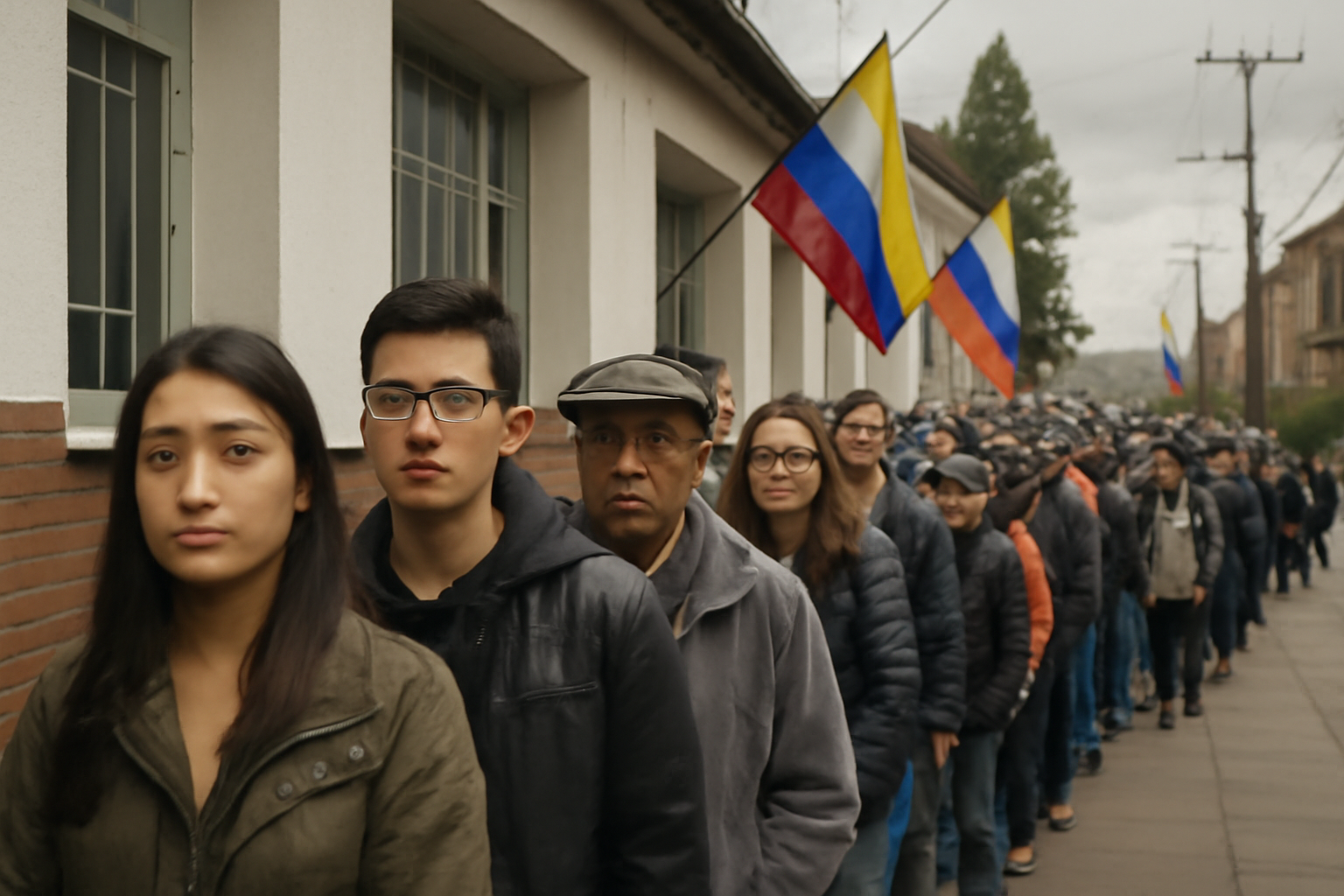
Opinion. A commentary published by Small Wars Journal poses a question worth sitting with rather than rushing past: are Colombia's upcoming elections a genuine crossroads, or just the country's familiar pendulum swinging back from left to right, as it has before? The original piece frames the vote around Colombia's security and political trajectory, with voters weighing continuity against change. That framing deserves scrutiny, because the two answers point to very different conclusions about what the election actually settles.
What is the commentary actually arguing?
The piece's title does the work: it treats "crossroads" and "pendulum" as competing hypotheses rather than declaring a winner. That is the honest posture. Colombia has cycled between left-leaning and right-leaning governments before without abandoning its constitutional order, which is the pendulum case. But the commentary's own framing — built around security and political trajectory — suggests the author sees stakes that go beyond the usual left-right rotation.
Why does the security trajectory matter to this framing?
Security policy in Colombia is not a side issue; it is the issue that historically has separated governing coalitions from each other, shaping how the state deals with armed groups, rural territory, and the peace process's unfinished business. When a commentary anchors its crossroads-versus-pendulum question in security trajectory specifically, it is arguing that this election could lock in a direction on that front for longer than a single term — which is a stronger claim than simply noting which party wins.
Is Colombia's political history really pendulum-like?
A pendulum implies symmetry: swing left, swing right, repeat, with the system's core intact each time. That is a fair reading of a democracy that keeps holding elections and keeps transferring power. The crossroads reading requires something more — evidence that this cycle breaks the pattern rather than repeating it. The commentary's own hedge, posing the question rather than answering it, suggests the evidence is not yet conclusive either way.
What would make this a genuine crossroads instead?
A true crossroads moment would mean the losing side accepts an outcome that structurally forecloses its return, not merely postpones it. Short of that, calling any single election a crossroads risks the same overstatement critics level at American commentators who label every cycle "the most important election of our lifetime." Readers should treat the label skeptically until the trajectory — security policy, institutional durability, coalition behavior — actually diverges from the historical pattern the commentary itself acknowledges.
What should voters and observers watch for next?
The honest answer is that the framing question is more useful than any premature verdict. Readers tracking Colombia's vote should watch whether security policy outcomes persist past a single administration, since that is the test the commentary itself proposes. For a broader look at how governing structures constrain or enable that kind of durable shift, see Quote Conservative's explainer on federalism, which lays out how power-sharing arrangements shape whether political change sticks or simply swings back.