politics
Washington — Supreme Court Denies Trump Mail-In Voting Rule Request
This is a commentary from the HTT News Commentary Desk.
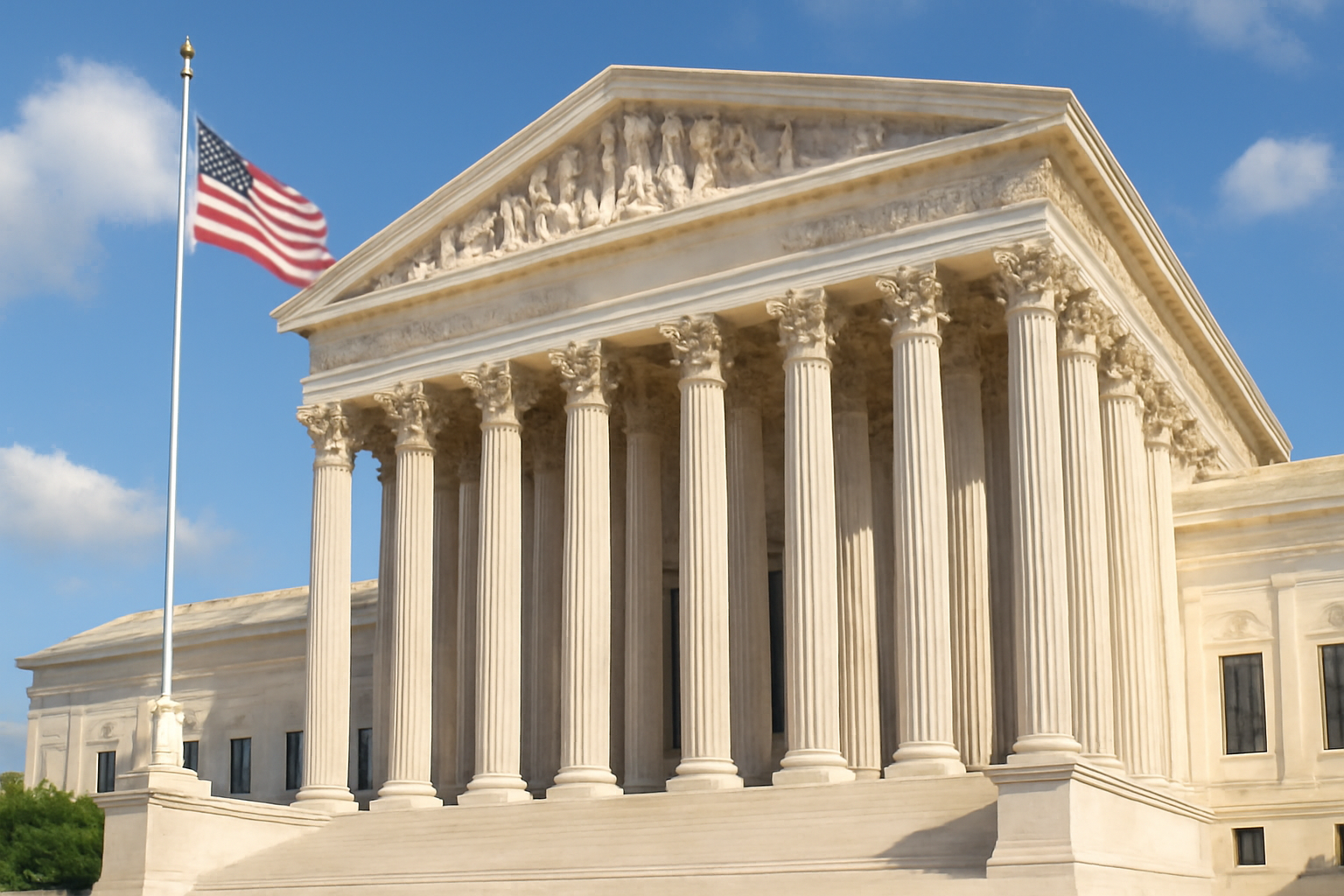
The Supreme Court has refused to let the Trump administration put parts of its mail-in voting rule into effect, according to a report carried by SCOTUSblog via Google News. The order leaves lower court blocks on the contested provisions in place while the underlying lawsuit continues.
What Did the Supreme Court Actually Deny?
According to the SCOTUSblog report, the administration asked the justices for permission to enforce parts of its mail-in ballot rule while litigation plays out below. The Court said no. That is not a ruling on whether the rule is legal. It is a refusal to let it take effect early, which means the status quo — the rule blocked — holds for now.
Timeline: How This Fight Reached the Justices
- Rule adopted. The Trump administration put forward a rule governing mail-in voting, per the SCOTUSblog summary.
- Lower courts intervene. Courts below blocked parts of the rule from taking effect, according to the same reporting.
- Administration appeals. The administration asked the Supreme Court to let the blocked provisions go into effect anyway while the case continued.
- This week. The Court denied that request, according to SCOTUSblog, leaving the lower court blocks standing.
- What's next. The underlying lawsuit over the rule itself keeps moving through the courts. No final ruling on the merits has been reported.
What Changes for Voters and States Right Now?
Nothing changes at the ballot box because of this order. The rule the administration wanted enforced stays blocked, which means states continue operating under whatever mail-in ballot procedures were in place before the rule was challenged. Election offices do not need to adjust anything for the next election cycle based on this decision alone.
Why Is This a Federalism Fight, Not Just a Voting Fight?
Disputes over who sets the rules for mail-in ballots — Washington or the states — sit squarely inside the broader federalism debate HTT has covered before. Quote Conservative's federalism explainer lays out the basic constitutional split between federal and state authority that underlies fights like this one. Elections are administered by states, which is why federal rules touching mail-in ballots so often end up in court before they ever reach a voter.
Opinion: What the Commentary Desk Makes of This
A denial of an emergency request is not the same as a loss on the merits, and readers should not treat it that way. But it is a real setback for an administration that wanted its rule live for the next election, not stuck in litigation. The pattern is familiar this year: administration policy meets a lower court block, and the Supreme Court declines to fast-track relief, as seen in unrelated fights like Maryland's suit against the EPA over PM2.5 deadlines or the Wisconsin fight over Judge Hannah Dugan's law license. Courts, at every level, are moving cautiously on Trump-era policy changes rather than green-lighting them on an emergency basis. Whether that caution is prudent restraint or judicial slow-walking depends on where a reader already stands — this desk isn't picking that winner. What's certain is the mail-in voting rule stays on ice, and the real fight is still ahead.
mindfulAI Keyboard — An iPhone keyboard that rewrites a draft in a tone you pick. Four free AI actions a day.
Questions
Did the Supreme Court rule the mail-in voting rule illegal?
No. The Court denied the administration's request to enforce the rule early while litigation continues; it did not rule on the rule's legality.
What happens to mail-in ballot rules now?
The provisions blocked by lower courts stay blocked. States continue under existing procedures while the underlying lawsuit proceeds.