business
Harvard Law Piece Asks What's Missing From Fed Debate
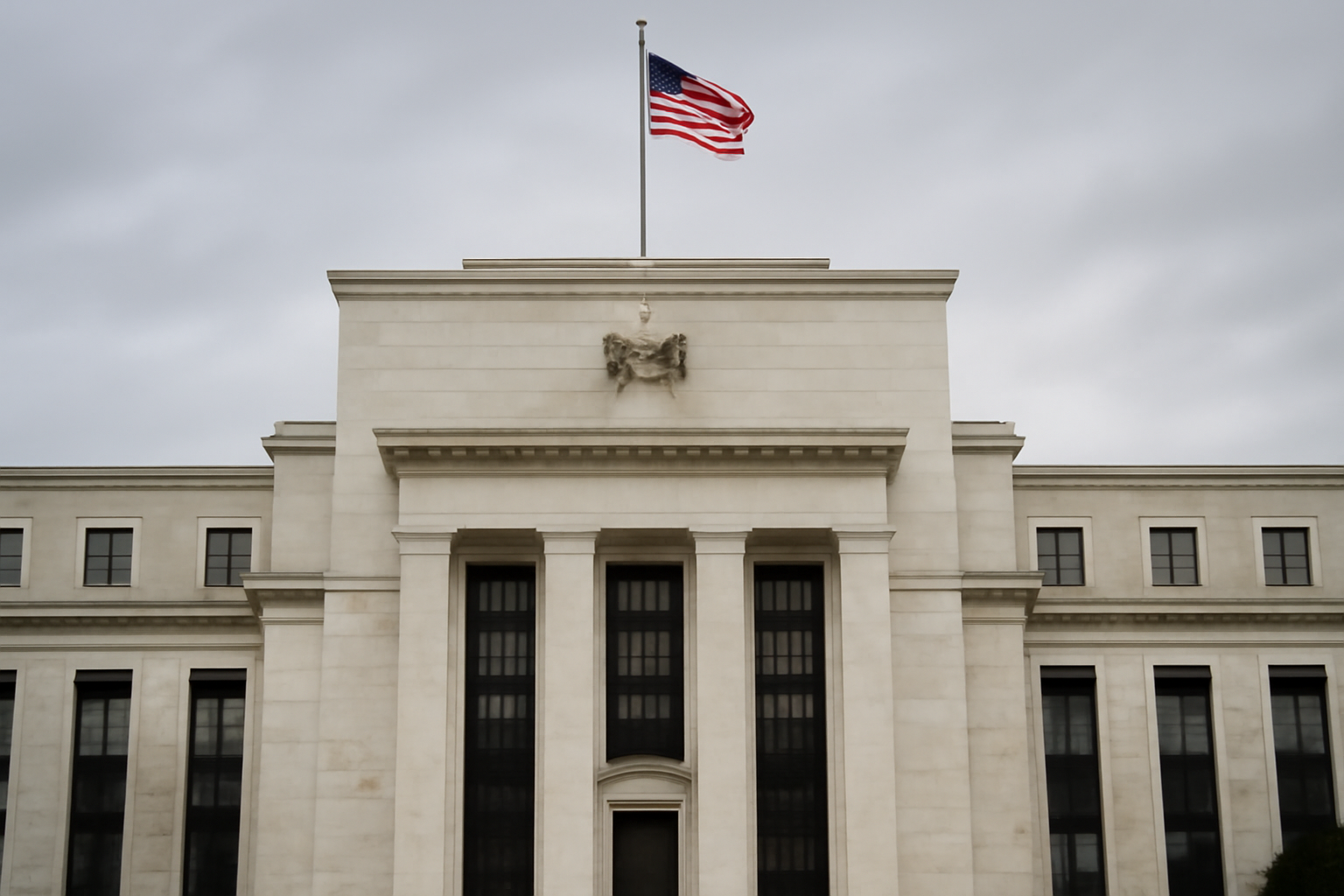
Opinion. A commentary indexed under Harvard Law School's name and circulated through Google News poses a question worth sitting with: what is actually missing from the never-ending argument over whether the Federal Reserve should stay "independent" of elected officials? The original item is here, and the honest answer, this desk argues, is accountability.
What Does 'Independent Fed' Actually Mean?
When commentators say the Fed is "independent," they mean its rate-setting committee is shielded from day-to-day presidential or congressional command. Governors serve fixed terms and cannot be fired for policy disagreements the way a cabinet secretary can. That structure was built to keep interest-rate decisions out of election-year politics. It was not built to remove the Fed from all outside scrutiny, and that distinction is where the current debate keeps getting fuzzy.
What Is Missing From The Argument?
Most of the public fight over Fed independence sounds like a binary: either the central bank is left alone, or politicians corrupt monetary policy. That framing skips the middle ground that the Constitution actually set up. Congress created the Fed and can, by law, restructure it. The president appoints its leadership, subject to Senate confirmation. Neither of those facts disappears just because a chair is mid-term. The question missing from most op-eds is not "should the Fed be independent," but "independent of whom, and accountable to whom instead." A central bank insulated from the White House still answers, at least on paper, to Congress through testimony, audits, and the confirmation process.
Why Does This Matter For Households And Markets?
The stakes are not academic. Interest-rate decisions affect mortgage costs, credit-card rates, and government borrowing costs. When the public debate treats "independence" as an absolute rather than a designed relationship between three branches, voters lose the thread on who they can actually hold responsible when policy misses. That is the accountability gap the Harvard Law School item appears to be pointing at, and it deserves more attention than the shorthand fight over whether any single president likes the current chair.
What Happens Next In Washington?
Expect the argument to keep surfacing every time a rate decision disappoints the White House or markets. What to watch:
- Whether lawmakers hold hearings that press the Fed on its statutory mandate rather than on personalities.
- Whether future Fed nominees face confirmation fights that turn on structural authority, not just rate preferences.
- Whether commentary on Fed independence starts distinguishing operational independence from total immunity from oversight.
Readers who want the broader civics backdrop on how power is supposed to split between federal branches and states can see this desk's own explainer, Understanding Federalism: A Concise Guide, which lays out the same separation-of-powers logic driving the Fed argument.
The missing piece in the independent-Fed debate is not a new legal theory. It is a returned focus on who, under the existing rules, is supposed to check whom — and why that check still matters even when the economy is calm.
Tymebox is Coming-soon ADHD-friendly chore timers. Core timers will stay free. Not a medical device.
Questions
Does Fed independence mean no oversight at all?
No. Fed governors are shielded from routine political firing, but the central bank still answers to Congress through testimony, audits, and the Senate confirmation process for its leaders.
Who created the Federal Reserve's structure?
Congress established the Fed and retains the legal authority to alter its structure; the president nominates its leadership subject to Senate confirmation.