politics
SCOTUSblog Recaps a Busy Week at the Supreme Court
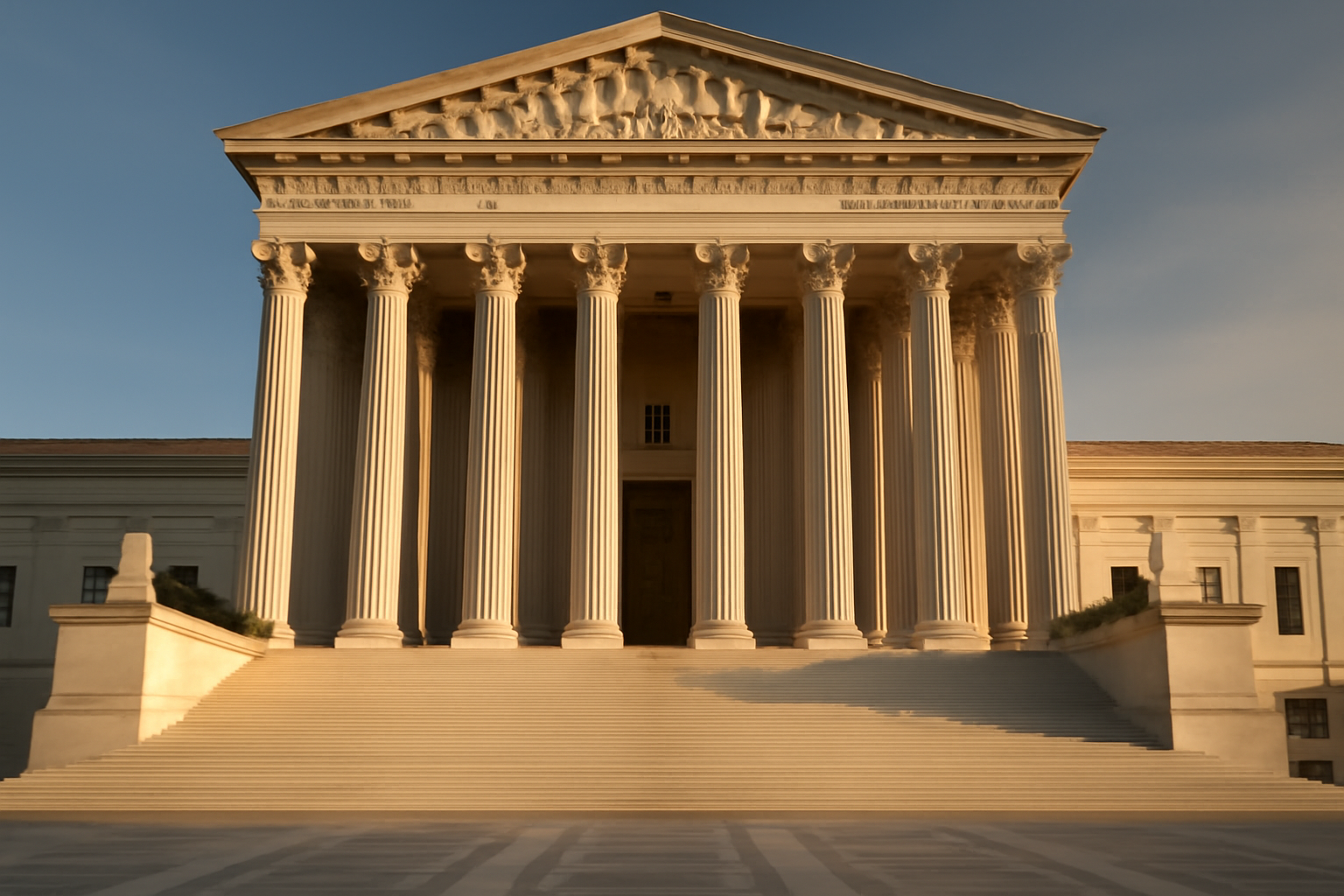
SCOTUSblog's newest roundup, titled "Key takeaways from an active week at the court," walks readers through a stretch of opinions, orders, and oral arguments rather than breaking news on one ruling, according to the outlet's own framing of the piece (SCOTUSblog via Google News). That distinction matters. The Court does not slow down between headline-grabbing decisions, and the accumulation of smaller orders and arguments often previews where the bigger fights are headed.
This desk's view: recap weeks like this one are where federalism gets tested in the details, not the highlights. Three recent HTT stories — a Wisconsin Supreme Court order, a primer on federalism, and a report on election-fraud litigation — show why the plumbing of the federal-state relationship deserves as much attention as the marquee cases.
What did SCOTUSblog's roundup actually cover?
Per the outlet's own description, the piece is an analytical recap of opinions, orders, and arguments from the week rather than coverage of a single decision. That framing is instructive. Much of the Court's real workload — the orders list, the grants and denials of certiorari, the housekeeping that never makes a cable-news chyron — happens outside the handful of cases most Americans can name. Readers looking for granular, case-by-case detail should go to the source directly; this piece is about what that pattern of activity means.
Why does a quiet-looking week matter for federalism?
The Constitution splits sovereignty between Washington and the states, and the Supreme Court is the referee of last resort when that split gets contested. HTT's own federalism explainer lays out the basic architecture: enumerated federal powers, reserved state powers, and the friction that results when the two collide (Understanding Federalism: A Concise Guide). An active week at the Court, even one without a blockbuster opinion, is often where that friction surfaces first — in stay requests, emergency-docket orders, and cert grants that signal which federalism disputes the justices consider ripe for review.
A state court declining to act immediately is routine. But it is also proof that state judiciaries run on their own clock, separate from whatever Washington does the same week.
What does Wisconsin's decision on Hannah Dugan show?
Away from Washington, the Wisconsin Supreme Court has been playing its own version of the same referee role. The state's high court held off on suspending Hannah Dugan's law license, according to reporting from Quote Conservative (Wisconsin Supreme Court Holds Off on Suspending Hannah Dugan's Law License). A state supreme court declining to act immediately on a lawyer's license is, on its face, a procedural matter. But it underscores a point often lost in national coverage: state judiciaries make consequential calls on their own timelines and their own standards, independent of the U.S. Supreme Court's calendar. Federalism is not confined to law-review footnotes; it is two court systems, state and federal, moving on parallel tracks that do not always sync up.
How does election-fraud litigation fit this pattern?
The same broad window of coverage included a report that U.S. election-fraud cases are rising amid integrity concerns, per HTT News (U.S. Election Fraud Cases Rise Amid Integrity Concerns). Election law sits squarely on the federal-state fault line: states run elections, but federal courts — up to and including the Supreme Court — increasingly referee disputes over how those elections are administered. A busy week at the Supreme Court and a reported rise in election litigation are not necessarily tied to a single case, but they belong to the same institutional story: who gets the final word when state election administration ends up contested in federal court.
What should readers watch for after an "active" week with no single blockbuster?
Coverage of the Supreme Court skews toward the handful of decisions that reorder major policy. That coverage is fair, but it undersells how much of the Court's real influence comes from the accumulation of smaller orders, stays, and cert decisions that SCOTUSblog's roundup exists to track. The same holds one level down, in state supreme courts like Wisconsin's, where a procedural ruling on an individual lawyer's license can carry outsized signal about how aggressively a state judiciary intends to police its own. Readers who want to see where federalism disputes are headed next should watch the orders lists, not just the headline opinions — and should read the primary source directly rather than relying on secondhand summaries.
mindfulAI Keyboard — An iPhone keyboard that rewrites a draft in a tone you pick. Four free AI actions a day.
Questions
What did SCOTUSblog's latest roundup actually report?
It recapped opinions, orders, and oral arguments from an active week at the Court rather than covering a single new ruling, according to the outlet's own framing of the piece.
Did the Wisconsin Supreme Court suspend Hannah Dugan's law license?
No. The Wisconsin Supreme Court held off on suspending her law license, according to Quote Conservative's reporting.