news
Arkansas Supreme Court Presses Legislature Over Special-Justice Pay
Opinion
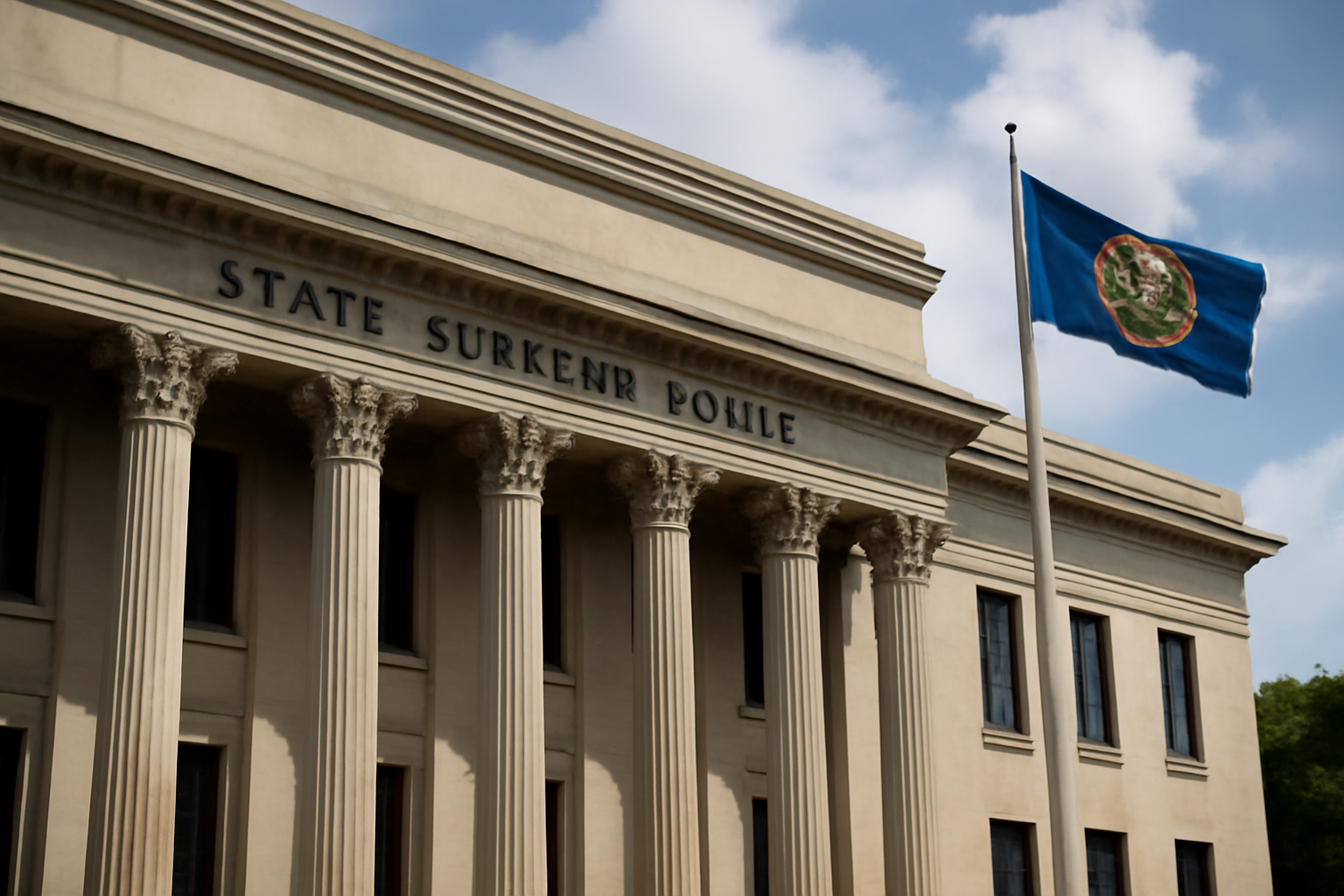
The Arkansas Supreme Court has formally asked state lawmakers to address how the state pays special justices, the lawyers and judges who sit in for a sitting justice who has recused, according to the court's own opinion reported by KHBS, via Google News. The court cannot set its own compensation schedule. Only the General Assembly can.
What did the court actually ask for
The opinion itself is the primary document here, and the available reporting confirms the narrow point: the justices want the legislature to settle the pay question for special justices, not expand their own authority to do it unilaterally. That restraint is the story. A court with grievances about compensation structure went to the branch with the power of the purse instead of inventing a workaround.
Why special-justice pay is a legislative problem, not a judicial one
Arkansas's constitution, like every state constitution, splits appropriations power from judicial power. When a sitting justice recuses, Arkansas fills the seat with a special justice, often a retired judge or senior lawyer, to keep the court at full strength for a case. If the pay rate for that temporary service is outdated or unclear, the fix runs through a statute, which means it runs through the legislature. The court flagging the gap publicly, rather than quietly working around it, is itself a data point about how the institution understands its own limits.
Why this matters beyond Arkansas
State courts across the country function on this kind of plumbing: substitute judges, retired-judge pools, pay schedules nobody notices until they break. When a state's highest court tells its own legislature, in writing, that a statute needs attention, it is modeling exactly the kind of inter-branch deference that gets lost in louder fights over judicial power. The same dynamic was visible, from the opposite direction, when the Wisconsin Supreme Court weighed how far it could go in disciplining one of its own judges. Both cases turn on the same question: what a court can do on its own authority versus what it must send to another branch.
What lawmakers are being asked to decide
The reporting available does not specify a dollar figure, a bill number, or a legislative session date, and this piece will not invent one. What is on record is the structural ask: Arkansas's legislature now has a live, court-flagged item on special-justice compensation sitting in its lap. How quickly, or slowly, that gets taken up is a fair test of whether a state legislature treats a direct request from its own supreme court as routine business or as something that can wait.
For readers trying to place this in the larger architecture of American government, the mechanics of who pays judges, and who decides that, trace straight back to basic federalism design: separate branches, separate powers, and a court that, in this instance, chose to ask rather than act alone.
mindfulAI Keyboard — An iPhone keyboard that rewrites a draft in a tone you pick. Four free AI actions a day.