politics
Supreme Court Could Decide If States Sue Oil Companies
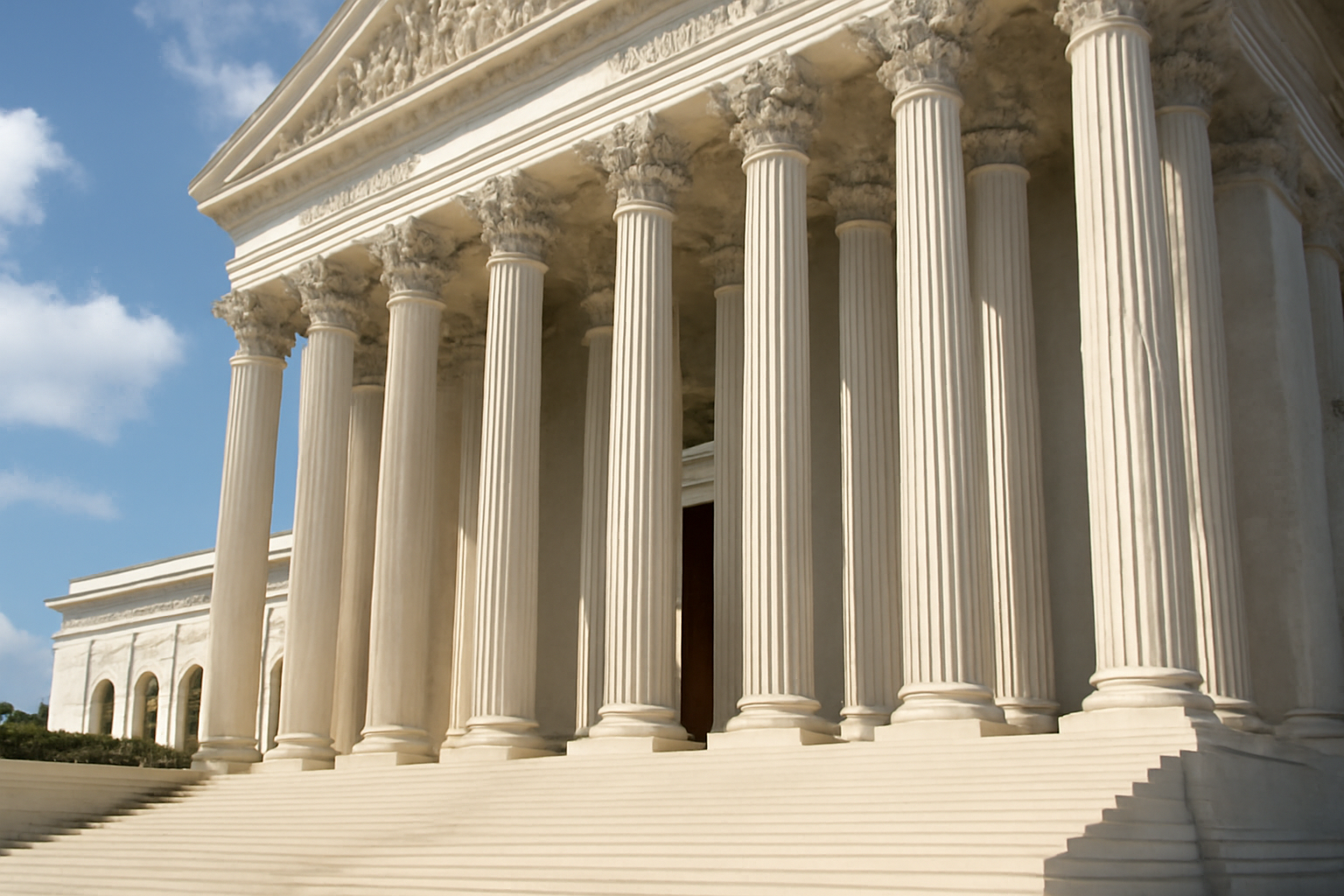
Opinion. The question State Court Report put plainly — will the Supreme Court let states sue oil companies for climate harm — is the right one, and it deserves a plainer answer than the climate-litigation industry usually gives it. State Court Report frames the dispute as a live question moving through the courts, and whichever way the justices lean, the outcome will say more about the limits of state power than about carbon.
What is the legal question before the court?
At its core, the dispute is narrow: can a state attorney general use state tort law — nuisance, consumer protection, public trust — to extract damages from oil companies for a harm (global warming) that no single state's emissions could have caused and no single state's courtroom can fully remedy? State Court Report's framing treats that as unresolved, and it is. Lower courts have split on whether these cases belong in state court at all, which is precisely the kind of disagreement the Supreme Court exists to settle.
Why do states say they have the right to sue oil companies?
The states' theory rests on a genuinely old idea: that a state's police power includes the authority to protect its residents from fraud and nuisance within its own courts, using its own common law. On that view, an oil company that allegedly misled the public about the climate effects of its product is no different from a company that misled consumers about any other hazard — and state judges have handled product-liability and consumer-fraud claims against national industries for a century without needing Washington's permission first.
Why do energy companies argue these suits don't belong in state court?
The industry's counterargument is also old and also serious: climate change is a global phenomenon caused by emissions from every country and industry on Earth, not a local injury traceable to one company's conduct within one state's borders. Energy companies argue that letting fifty state courts, applying fifty different bodies of tort law, each set national or even international energy and climate policy through damages awards is not consumer protection — it is regulation by lawsuit, imposed on an interstate and global industry that Congress, not a state judge, is supposed to oversee under the Constitution's structure for regulating commerce and foreign affairs.
What does federalism have to do with it?
Everything, and this is where the case matters beyond the oil industry. As Quote Conservative's own explainer on federalism lays out, the American system assigns some powers to the federal government and reserves others to the states — and the hard cases are always the ones where a state's legitimate interest in protecting its own citizens collides with a national interest in uniform policy. Understanding Federalism: A Concise Guide makes the point that this balance was never meant to be settled by whichever side files first. A ruling that lets fifty attorneys general each extract their own climate settlement from the same handful of companies effectively lets states set national energy policy one lawsuit at a time. A ruling that forecloses these suits entirely tells states their courts have no voice in harms their residents say they are suffering now. Neither outcome is costless, and neither side in this debate is being unreasonable to want the other one to lose.
What happens next?
State Court Report's own headline is a question mark for a reason: the matter is pending, not settled, and anyone claiming certainty about how the justices will rule is guessing. What is not in dispute is that the stakes extend past any one company's balance sheet. If state courts can impose climate liability under ordinary tort law, expect the same playbook to be tried against other nationally regulated industries next. If they cannot, expect states to lean harder on legislatures and Congress instead of courtrooms. Either way, the federalism question — who gets to decide, not just what gets decided — is the one worth watching.
Artiglio is A coming-soon iPhone chief of staff for briefings and drafts. Not on the App Store yet.
Questions
What is the core legal question in state climate lawsuits against oil companies?
Whether state courts can use state tort law, such as nuisance or consumer-fraud claims, to hold oil companies liable for global climate harm, or whether that authority belongs to federal law and policy instead.
Why might the Supreme Court get involved?
Lower courts have reached different conclusions about whether these state lawsuits belong in state court, and State Court Report frames the question as unresolved and now before the justices.