politics
Supreme Court Declines To Hear Let's Go Brandon Shirt Case
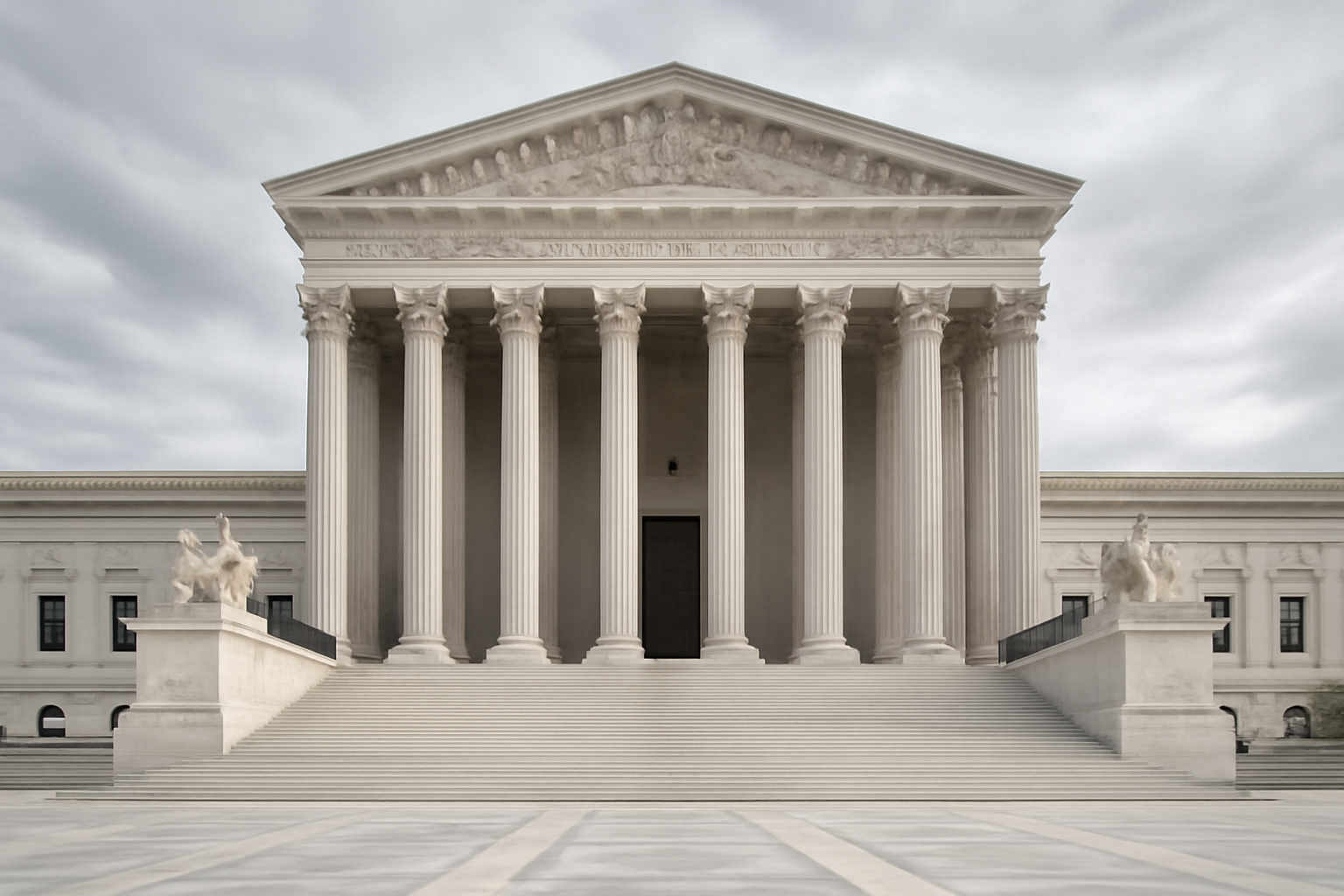
The Supreme Court declined to hear a cluster of closely watched appeals this week, including a dispute over a student's "Let's Go Brandon" sweatshirt, a challenge to the federal ban on gun ownership for convicted felons, and a lingering fight over COVID-19 vaccine mandates, according to SCOTUSblog. A cert denial is not a ruling on the merits; it simply leaves the lower court's judgment standing.
What Did The Supreme Court Decline To Hear This Week?
The order list, as reported by SCOTUSblog, grouped together appeals on political speech, firearms restoration, vaccine policy, and what the outlet described as "other notable issues." None of the denials came with a published opinion explaining the Court's reasoning, which is standard practice for cert denials but still leaves litigants and lower courts without guidance.
Why Does The "Let's Go Brandon" Sweatshirt Case Matter?
The phrase, a stand-in for an obscene rebuke of President Biden that circulated widely after a 2021 NASCAR broadcast, has generated several school-discipline and First Amendment disputes as students wore it on campus apparel. By declining review, the justices leave whatever the lower appellate court decided in place for that circuit, without extending it nationwide.
What Happens To Felons' Second Amendment Rights Now?
The question of whether people with felony convictions retain a constitutional right to own firearms has split federal appeals courts since the Supreme Court's 2022 ruling in New York State Rifle & Pistol Association v. Bruen tightened the historical test for gun laws. Turning away this appeal means the underlying circuit ruling stands, but it does not resolve the conflict among courts that has built up since Bruen.
Is The COVID-19 Vaccine Mandate Fight Over?
Not nationally. The Court's refusal to take up this particular mandate case resolves nothing beyond the parties in front of it. Mandate litigation tied to federal contractors, health workers, and state employees has moved through different circuits with different outcomes, and a single cert denial does not harmonize them.
How Does The Court Decide Which Cases To Skip?
It takes the votes of four justices to grant certiorari on the nine-member Court; a denial simply means that threshold was not met, not that the justices endorsed the result below. That procedural reality is why cert denials routinely draw criticism from advocates on both sides who wanted a nationwide answer.
What Should Readers Watch Next?
- Whether any of the affected circuits revisit their rulings now that Supreme Court review has been exhausted.
- Whether a cleaner vehicle on felon gun rights, with a sharper circuit split, reaches the Court in a future term.
- Other judicial-conduct and constitutional stories moving in parallel, including the Wisconsin Supreme Court's decision to hold off suspending Judge Hannah Dugan's law license.
- How federalism principles, explained in this primer, continue to shape which court — state or federal — has the last word when the justices decline to speak.
This is commentary. The underlying facts come from SCOTUSblog's reporting on the Court's order list; the analysis of what the denials mean reflects the author's judgment.