politics
Supreme Court Reform Push Carries Risk Democrats May Be Underestimating
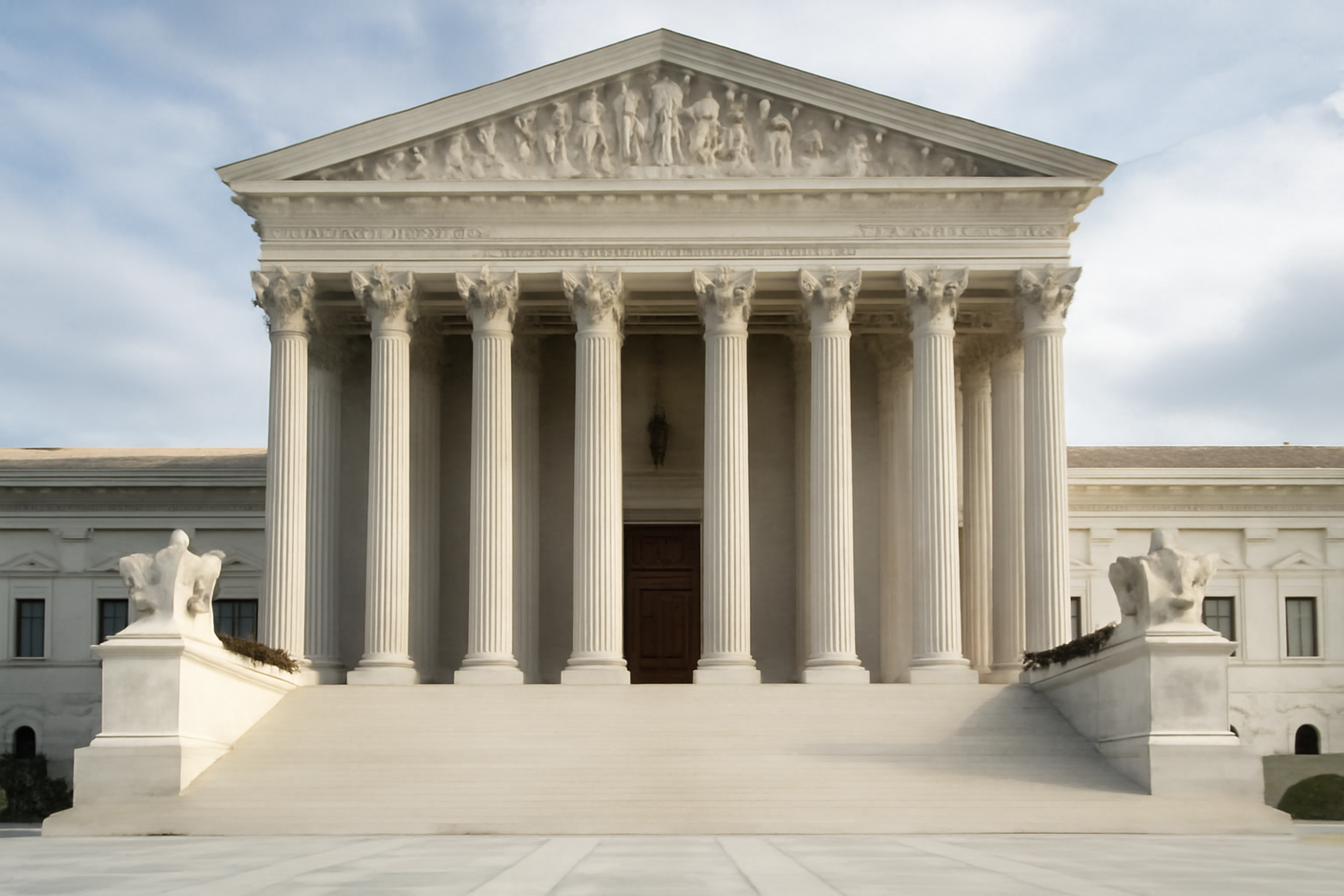
Opinion
The Wisconsin Supreme Court held off this week on suspending Judge Hannah Dugan's law license, according to a report from HTT News. It is a narrow procedural development in a single state case. But it lands the same week The Hill raised a bigger question in Washington: whether the Democratic push to remake the U.S. Supreme Court could end up hurting the party that pushes it.
What is The Hill reporting about Supreme Court reform?
The Hill's piece, headlined "How reforming the Supreme Court could backfire on Democrats," frames the party's institutional ambitions as a political gamble. The proposals that have circulated in Democratic circles for years fall into a few familiar categories: expanding the number of seats on the bench, imposing term limits on justices, or writing a binding ethics code the Court would have to follow. The Hill's full reasoning for why these moves could backfire sits behind its report, but the headline claim itself is worth taking seriously on its face, because it cuts against the assumption that structural reform is a free win for whichever party controls Congress and the White House at the moment it passes.
Why might court reform backfire politically?
Any rule written to curb one Court's power is a rule the next majority inherits. A Congress that adds seats to the bench hands the next Congress, of whatever party controls it, the same tool. A term-limits statute written to force out justices appointed by one president applies with equal force to justices appointed by the next one. That is the core argument against institutional reform generally, and it applies regardless of which party is doing the reforming: the mechanism survives the moment that created it.
Democrats arguing for reform tend to frame it as a response to specific rulings or to appointments they view as illegitimate. Opponents of reform, including some who otherwise agree the Court has problems, argue that changing the rules of an institution because a party lost cases in it sets a precedent that erodes the Court's independence for everyone, not just the party currently out of power. Both arguments can be true at once, which is precisely what makes the politics of reform harder than it looks from either side.
What does the Wisconsin Dugan case show about judicial accountability fights?
The Dugan matter is a state-level reminder that fights over judicial accountability rarely stay simple once they start. Wisconsin's high court chose not to suspend Dugan's law license even as separate questions about her conduct remain unresolved, per HTT News. Whatever one thinks of the outcome, the episode illustrates how slowly and cautiously courts tend to move against their own members, and how much discretion sits with the body doing the judging. That caution is a feature, not a bug, of judicial independence — and it is the same caution that national reform proposals would have to overcome if they tried to impose faster, more binding discipline on the U.S. Supreme Court.
Does federalism limit how far court reform can go?
The American system splits judicial power between federal and state courts for a reason, and HTT's own explainer on the subject notes that the arrangement is designed to prevent any single layer of government, including the federal judiciary, from accumulating unchecked authority, according to Understanding Federalism: A Concise Guide. That structure cuts both ways in the Supreme Court reform debate. It limits how far Congress can go in restructuring a coequal branch, but it also means states will keep fighting their own versions of the same accountability battles, as Wisconsin is doing now, regardless of what happens in Washington.
What should Democrats weigh before pursuing reform?
The practical question for Democrats is not whether the Court has drawn criticism from the party's base — it plainly has — but whether locking in a structural change now is worth the certainty that Republicans will use the same tool later. The Hill's reporting suggests the party's own strategists are not united on the answer. Until the full case for or against reform is public, voters are left with a headline claim worth testing against the oldest rule in institutional politics: the hand that rewrites the rulebook rarely keeps it to itself for long.
Questions
What Supreme Court reforms have Democrats proposed?
Proposals discussed in Democratic circles generally include expanding the number of seats on the Court, imposing term limits on justices, and creating a binding ethics code, though the specific mechanics vary by proposal.
Why could Supreme Court reform backfire on Democrats, according to The Hill?
The Hill's report frames structural changes to the Court as a political risk, though its full reasoning is contained in the original story rather than summarized here.