politics
Oklahoma — Judge's Flock Camera Ruling Invokes High Court Privacy Test
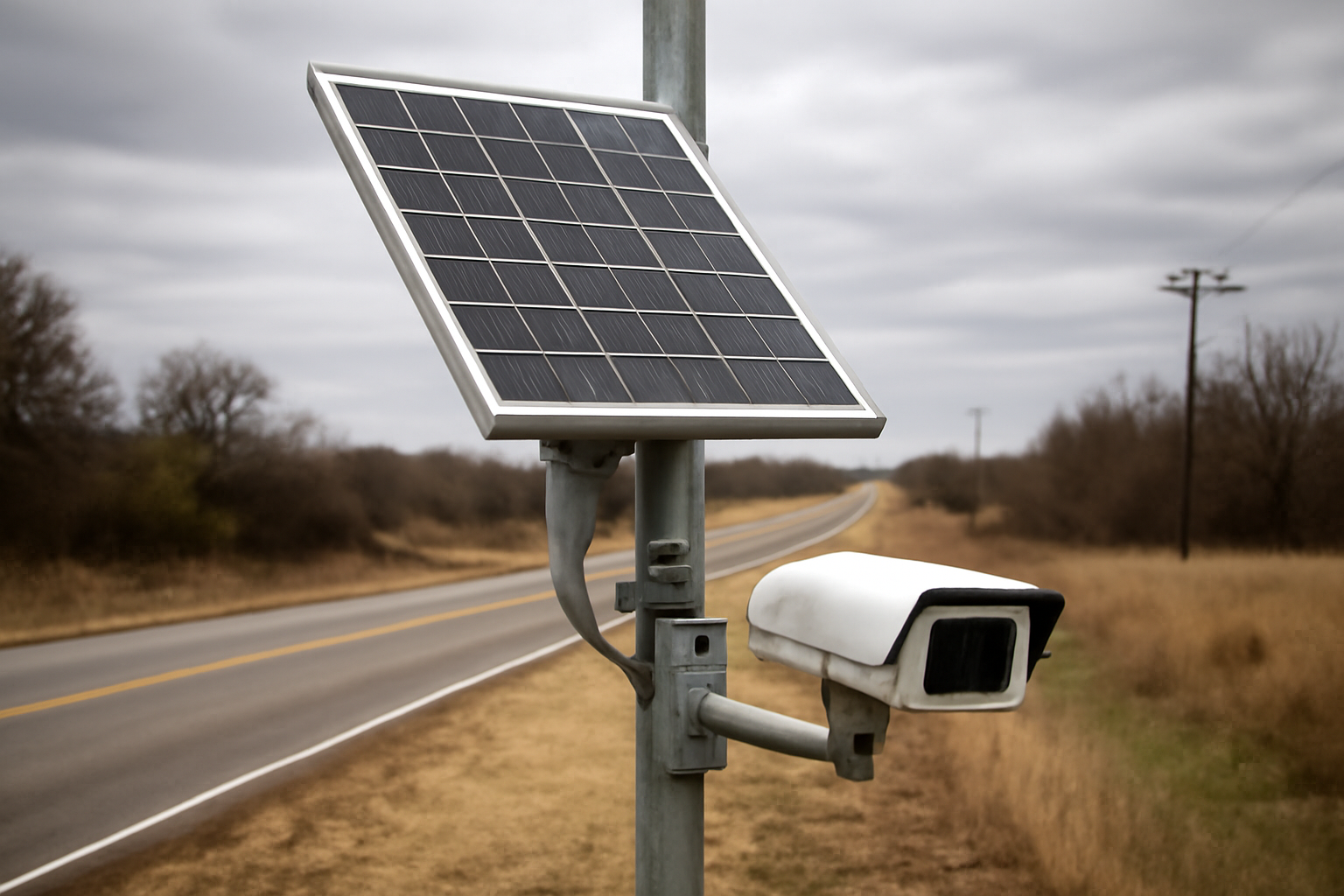
Opinion. An Oklahoma judge's ruling on Flock Safety's camera network has done what years of privacy litigation have not: forced a state court to apply a Supreme Court digital-evidence standard directly to automated license-plate surveillance, according to The Record from Recorded Future News.
"Oklahoma judge's Flock ruling shows the power of Supreme Court's digital evidence decision."
What did the Oklahoma judge actually rule?
The Record's own headline is the clearest statement of record available on this case: a state judge, weighing a dispute over Flock's networked license-plate cameras, leaned on a Supreme Court digital-evidence precedent to decide how that camera data should be treated in court. The outlet frames the decision as a demonstration of that precedent's reach, not as an isolated local ruling.
Why does a Supreme Court digital-evidence case control a state surveillance dispute?
That is the real story here. Federal constitutional rulings on digital privacy do not stay contained to the facts that produced them. Once the justices draw a line around how law enforcement may collect, store, or use digitally generated location and movement data, every lower court handling similar technology has to measure its own facts against that line. Flock's camera network — which logs vehicle movements across jurisdictions — is exactly the kind of aggregated, time-stamped data set that digital-evidence rulings were written to address.
What does this have to do with federalism?
State courts are not bound to invent their own Fourth Amendment. They are bound to apply the Supreme Court's reading of it, even when the technology didn't exist when the precedent was written. That is the basic mechanic Quote Conservative laid out in its explainer on federalism: federal constitutional floors apply nationwide, while states retain room to regulate the surveillance tools themselves. An Oklahoma judge applying a federal digital-evidence test to a privately built camera network run by local police is federalism working exactly as designed — states adopt the technology, federal courts set the outer privacy limit.
Why should this worry or reassure readers, depending on where they sit?
Law-and-order readers should ask whether this ruling narrows a tool departments use to solve crimes and recover stolen vehicles. Privacy-minded readers should ask whether it finally gives drivers a constitutional check on a camera network that logs their movements without a warrant. Both reactions are legitimate. The Record's framing — that this ruling shows the "power" of the Supreme Court's digital-evidence decision — cuts toward the privacy reading, but the practical effect on policing has not been detailed in the dispatch.
What happens next?
Then: the Supreme Court set a digital-evidence standard for how courts treat large, networked data sets collected without individualized suspicion. Now: an Oklahoma court has applied that standard to Flock's license-plate network, according to The Record. Next: other state courts handling Flock or similar automated license-plate-reader systems will face the same question, and the answers may not be uniform until a higher court forces consistency.
That inconsistency, not any single ruling, is the story worth watching.
Questions
What is Flock in the Oklahoma ruling about?
The ruling concerns Flock Safety's networked license-plate-reader cameras used by law enforcement, per The Record from Recorded Future News.
Why does a Supreme Court digital-evidence decision matter here?
State courts must apply federal constitutional rulings on digital privacy to new technology, so a Supreme Court digital-evidence standard can control how a state judge treats camera data, according to The Record.