politics
Democrats Ask Supreme Court's 9 Justices to Skip Ad-Rate Case
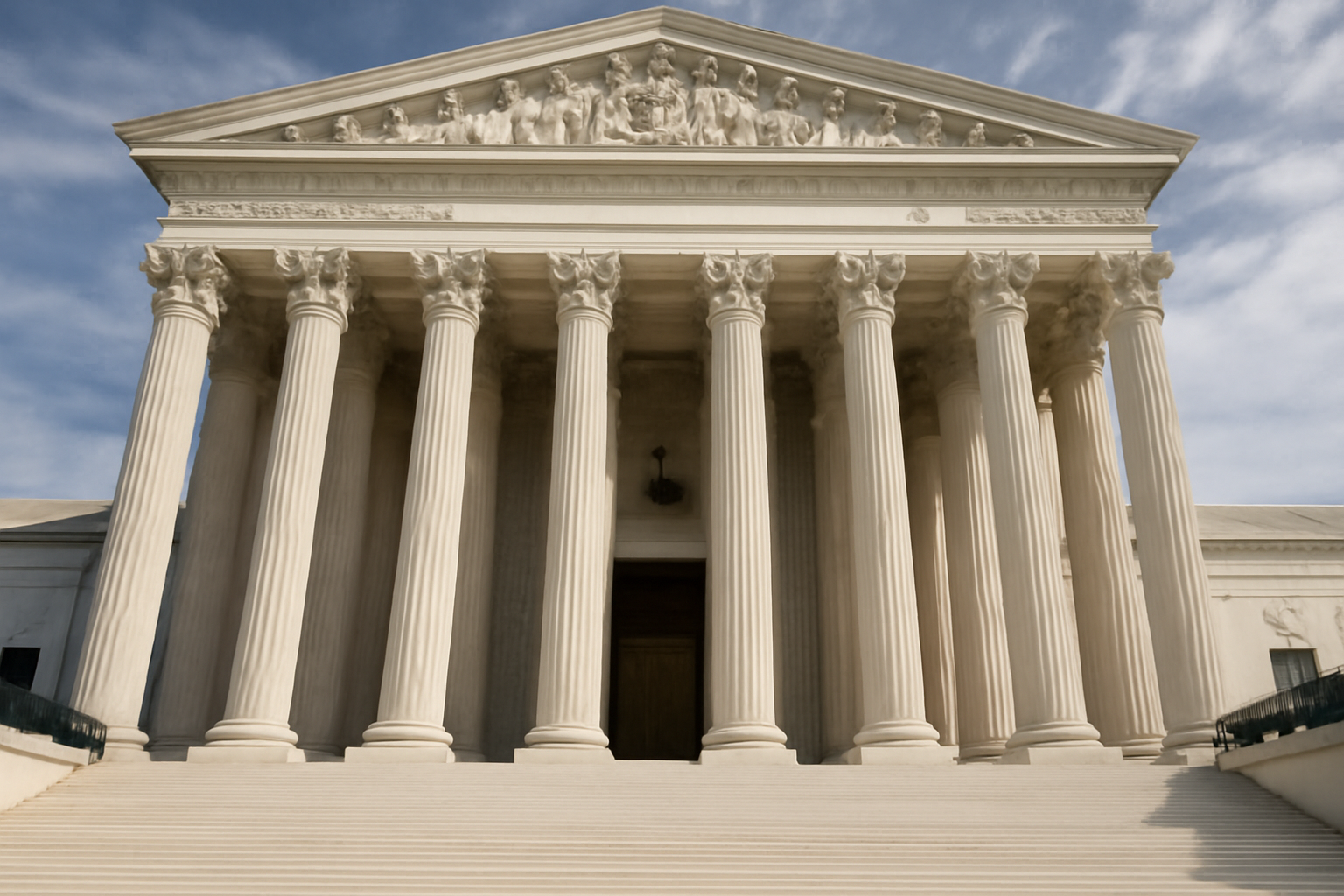
Opinion. Democratic candidates have told the Supreme Court not to take up a political-ad-rate dispute, asking the justices to leave a federal appeals court's ruling in place rather than grant a fresh round of review, according to SCOTUSblog's reporting. That is the full extent of the procedural posture SCOTUSblog's dispatch confirms: a request to deny certiorari, filed by Democratic candidates, in a case about what broadcasters charge candidates for airtime.
What are Democratic candidates asking the justices to do?
Asking the Supreme Court to "leave in place" an appeals court ruling is a specific legal move. It is a brief in opposition to certiorari — the formal request that a losing party files with the Court asking it to take a case. When the party that won below files papers urging the justices to pass, it is telling the Court the lower ruling should simply stand as the final word. SCOTUSblog's account identifies the filers as Democratic candidates and the subject matter as a political ad rate dispute, but does not name the appeals court, the circuit, or the broadcasters involved, so this piece will not guess at those facts.
What is a political ad-rate dispute, and why would it reach a federal appeals court?
Disputes over what stations charge candidates for television and radio time are a recurring category of election-law litigation, because federal communications rules require broadcasters to offer candidates the lowest unit charge available for comparable advertising time in a given class and period. When a campaign believes it was charged more than that rate — or when a broadcaster believes a court misapplied the standard — the fight can run through federal court before landing, as this one has, in front of the Supreme Court on a petition for review. Without the underlying brief, the specific rate, dollar figures, or station names at issue cannot be confirmed here.
Why does the Rule of Four matter in a case like this?
Data box
- 4 — justices must agree to grant certiorari under the Court's own "Rule of Four" before a case gets a full hearing.
- 9 — total justices who will privately vote on whether to take it up at all.
Those two numbers explain why a party that won in the appeals court has an incentive to file a brief asking the Court to decline review rather than stay silent. Even a losing certiorari petition costs the winning side legal fees and leaves the outcome in limbo for months; an opposition brief is the formal mechanism for arguing the lower court got it right and there is no reason for four justices to disturb it.
What happens if the Supreme Court declines to hear the case?
If the justices deny certiorari, the appeals court's ruling becomes the final word for the parties involved, and it would not automatically bind courts outside that circuit. A denial of certiorari carries no opinion and sets no nationwide precedent — it simply means the Court chose not to intervene. That distinction matters for how broadcasters, campaigns, and state election officials elsewhere should read the outcome once it is known.
How does this fit with other recent fights over election rules and courts?
The ad-rate dispute is one more example of election-adjacent fights that end up in courtrooms rather than legislatures. HTT News has tracked a related pattern in U.S. election fraud cases rising amid integrity concerns, and Quote Conservative has covered how a state supreme court handled judicial accountability questions in the Hannah Dugan matter in Wisconsin. Readers trying to place this ad-rate fight within the broader structure of which courts decide what, and why some rulings stay local while others reach Washington, may also find Quote Conservative's federalism explainer useful background on how appellate and Supreme Court review actually works.
Glossary
- Certiorari petition: A formal request asking the Supreme Court to review a lower court's decision.
- Brief in opposition: A filing by the winning party below urging the Court to deny certiorari and let the ruling stand.
- Rule of Four: The Court's internal practice requiring agreement from at least four of nine justices to grant review.
- Lowest unit charge: The federal requirement that broadcasters offer candidates their lowest advertising rate for comparable time slots.
Until the Court acts on the petition, the appeals court's ruling remains the operative law for the parties in this dispute, and SCOTUSblog's filing is the only confirmed detail of where the case now stands.
Questions
What does it mean to ask the Supreme Court to leave a ruling in place?
It means filing a brief in opposition to certiorari, urging the justices not to grant review so the appeals court's decision remains the final outcome for the parties.
How many Supreme Court justices must agree to hear a case?
Under the Court's Rule of Four, at least four of the nine justices must vote to grant certiorari before a case gets a full hearing.
Does a denial of certiorari set nationwide precedent?
No. A certiorari denial carries no opinion and does not automatically bind courts outside the circuit that issued the underlying ruling.