politics
9 Justices, 1 Alito Op-Ed, and The Hill's 'Joke' Claim
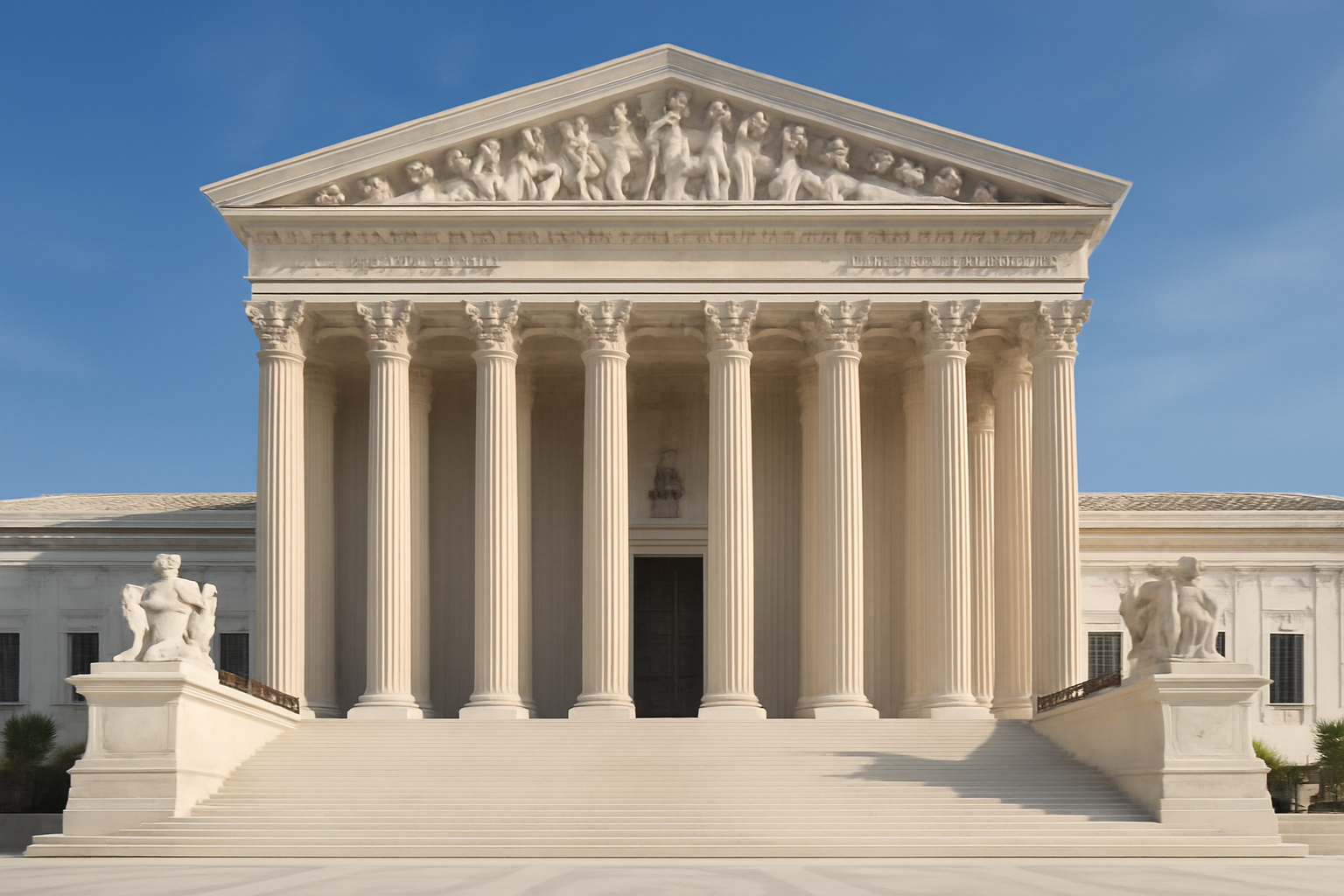
This is opinion analysis from the Quote Conservative Commentary Desk.
The Supreme Court has nine justices, and under the Court's long-standing practice, each one decides recusal questions in his or her own case — no colleague gets a vote. That structural fact is absent from The Hill's opinion column arguing that Justice Samuel Alito's denial of bias is "a joke on the American people."
What Does The Hill's Column Actually Say?
The headline states its conclusion up front: Alito's denial "is a joke on the American people," according to The Hill. The piece runs in the outlet's opinion section, where contributors argue a position rather than report new findings. That distinction matters when separating advocacy from adjudication.
"Alito's denial of judicial bias is a joke on the American people." — The Hill, opinion desk
Who Actually Decides Whether a Justice Steps Aside?
At the Supreme Court, recusal is not put to a vote of the other eight justices. Each member rules on motions to disqualify himself or herself — a practice that predates Alito's tenure and applies equally to every seat on the bench. Calling one justice's denial "a joke" does not change who holds the authority to grant or deny it. That authority sits with the justice himself, not with an editorial board.
Does This Kind of Fight Stay Confined to the Supreme Court?
No. Disputes over whether a judge should keep a case, or keep a law license, surface at every level of the federal and state judiciary. In Wisconsin, the state Supreme Court recently held off on suspending Judge Hannah Dugan's law license while the underlying legal questions play out. The episode is a reminder that fights over judicial conduct run through courthouses far outside Washington, not just the marble building that houses nine justices.
What's Missing From The Hill's Argument?
Nothing in the headline or the publicly available summary cites a specific ruling, recorded vote, or financial disclosure figure to back the claim that Alito's denial is dishonest. An assertion that a legal position is "a joke" is rhetoric, not a finding. Anyone deciding whether to credit the charge deserves the underlying document — the recusal motion, the disclosure filing, the order — not an adjective delivered in a headline.
Why Does This Debate Keep Resurfacing?
Recusal fights recur because the rule governing them gives wide discretion to the judge being asked to step aside, with no built-in appeal to a panel of peers. That design protects judicial independence; it also guarantees that accusations of bias and denials of bias will keep talking past each other until someone produces a document — a transcript, a filing, a disclosure — instead of a verdict delivered in an op-ed headline.