politics
Tallahassee Democrat Publishes Florida Judicial Retention Guide
Opinion
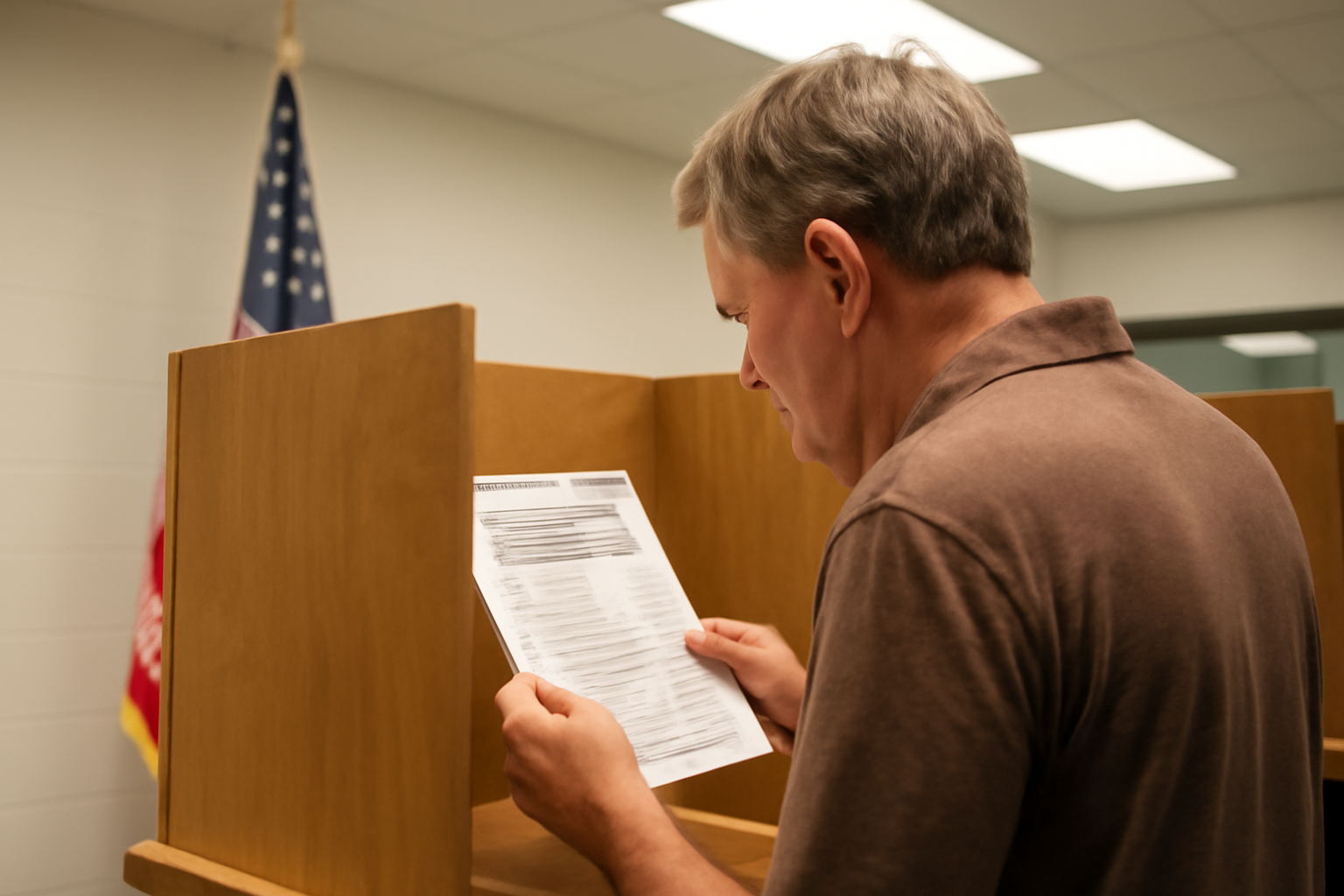
Florida voters will find judicial retention questions on this fall's ballot, and the Tallahassee Democrat has published a guide explaining what those votes actually decide, according to the newspaper's report. The exercise matters for a reason the guide itself exists to explain: Florida does not elect its appellate judges and Supreme Court justices the way it elects county commissioners or legislators. It asks a yes-or-no question instead, and the answer rarely changes.
What Florida's Judicial Retention Ballot Asks
The retention format strips the race down to a single choice: keep the sitting judge or remove the sitting judge. There is no challenger on the ballot, no opposing platform, and typically no campaign spending to speak of. The Tallahassee Democrat's guide exists precisely because most voters arrive at this part of the ballot with the least information of the entire slate. That information gap is the system's central design feature, not a flaw its architects overlooked.
Why Merit Retention Divides Conservative Voters
Supporters of merit retention argue it keeps judges focused on law instead of fundraising and keeps partisan money out of robes. Opponents argue the opposite: a judge who cannot lose to a challenger has little incentive to answer to the public at all, and a retention vote with no organized opposition becomes a formality rather than a check. Both arguments are legitimate, and Florida's system has never fully resolved the tension between them. The guide's publication this cycle is itself evidence that newsrooms recognize how little most voters know about the judges whose names appear on this part of the ballot.
What Wisconsin's Dugan Dispute Shows About Accountability
The accountability question is not unique to Florida. In Wisconsin, the state Supreme Court recently held off on suspending the law license of Judge Hannah Dugan, leaving the underlying dispute over her conduct unresolved while the court weighed its next step. The episode illustrates a point retention critics raise often: judicial discipline, once a case reaches the bench's own peers, moves slowly and on terms the public rarely controls. A retention vote is one of the few moments a state's electorate gets to weigh in directly on a sitting judge's standing, which is exactly why critics say the stakes of an uninformed vote are higher than the low-attention format suggests.
A retention ballot with no challenger and no campaign is still a vote. The question is whether anyone is actually voting, or just filling in a box.
How Election Integrity Concerns Touch Judicial Races
The retention guide also lands amid a broader national conversation about ballot confidence. A recent HTT News report found election fraud prosecutions have risen alongside heightened public concern over election integrity. Down-ballot judicial questions rarely draw the scrutiny top-of-ticket races do, but the same voters weighing confidence in how ballots are counted are also the ones deciding, often without realizing it, whether to keep a judge on the bench for another term. A separate federalism explainer notes that state court structures remain largely a matter for states to design under the constitutional division of power between Washington and the states. Florida's retention model is a product of that latitude, not a federal mandate, and voters frustrated with it have no one to petition but their own state legislature.
What Voters Should Do Before Casting a Ballot
The practical advice is unglamorous but direct. Read the guide the Tallahassee Democrat published before Election Day, not after. Look up each judge's opinions and disciplinary record where public, rather than relying on name recognition. Conservative voters who believe judicial accountability matters should treat the retention page of the ballot with the same seriousness they bring to the top of the ticket, because it is the only chance most will get to weigh in on that judge at all. A system built on low information favors incumbency by default. The only check on that default is a voter willing to do the reading the ballot alone will not provide.
mindfulAI Keyboard — An iPhone keyboard that rewrites a draft in a tone you pick. Four free AI actions a day.
Questions
What is a judicial retention vote in Florida
It is a yes-or-no ballot question asking whether a sitting appellate judge or state Supreme Court justice should keep the seat, with no opposing candidate on the ballot.
Why did the Tallahassee Democrat publish a retention guide
The newspaper produced the guide to help voters who have little information about appellate judges before they reach that section of the ballot, according to its report.