politics
Supreme Court's 9 Justices Pause Ruling in Political Ad-Rate Fight
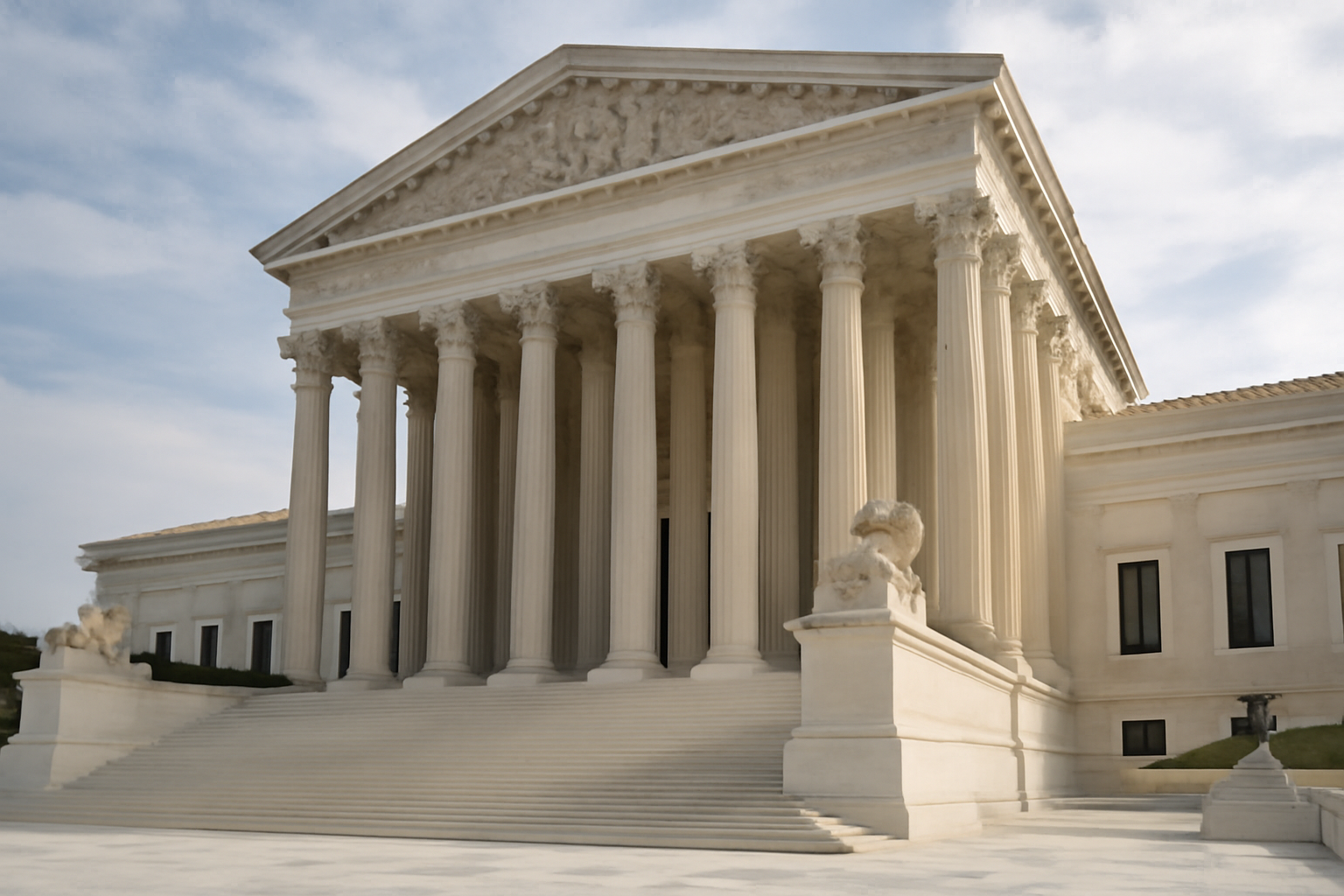
The Supreme Court's nine justices granted a request from the Trump administration to pause a lower ruling in a dispute over political advertising rates, SCOTUSblog reported. The order freezes enforcement of the earlier decision while litigation over the ad-pricing question continues, but it does not resolve which side is ultimately correct.
What did the justices actually decide?
According to SCOTUSblog's reporting, the high bench did not rule on the merits of the political ad-rate dispute. It granted a stay — a procedural pause that keeps the lower decision from taking effect while the case works its way through further review. A stay is not a final word; it is a signal that the justices found enough at stake to freeze the status quo rather than let the earlier ruling control events immediately.
What is the ad-rate dispute about?
SCOTUSblog describes the underlying fight as a disagreement over political advertising rates that reached the justices after a decision below went against the Trump administration's position. The source material does not specify every party or the dollar figures in dispute, and this piece does not add detail beyond what SCOTUSblog has reported.
Why does a pause matter before a final ruling?
A stay changes who is bound by what, right now, without settling the legal question. Until the justices (or a lower tribunal on remand) issue a final decision, the administration's preferred position stands rather than the ruling it challenged. That matters practically for anyone operating under the ad-rate rules at issue — the pause determines current conduct even though the legal merits remain open.
For readers trying to place this stay in the broader structure of federal litigation — how an administration's request moves from an agency fight to an appellate panel to the nation's highest bench — Quote Conservative's explainer on federalism walks through how authority is divided and reviewed across that system.
What happens next in the case?
With the stay in place, the dispute returns to the ordinary appellate track. The lower ruling the administration challenged remains paused, not reversed, while briefing and argument on the merits proceed. SCOTUSblog's original reporting is the only confirmed account of the order at this stage; no additional briefing schedule or argument date is included in the available reporting.
What to watch
- Whether the justices eventually take up the merits of the ad-rate dispute in a full opinion, rather than leaving the stay as the last word.
- Whether the lower tribunal issues further orders while the stay remains in effect.
- Any statement from the Trump administration or the opposing party explaining what the pause changes for political advertising pricing in practice.
- Follow-on coverage from SCOTUSblog, which first reported the order and is likely to track subsequent filings.
This is an opinion-desk explainer built strictly on SCOTUSblog's reporting of the order; it does not assert facts about the dispute's merits beyond what that reporting states.
mindfulAI Keyboard — An iPhone keyboard that rewrites a draft in a tone you pick. Four free AI actions a day.
Questions
Did the Supreme Court rule on the political ad-rate dispute itself?
No. SCOTUSblog reported that the justices granted a stay pausing the lower ruling; they did not issue a decision on the merits of the underlying dispute.
What does a Supreme Court stay do?
A stay pauses enforcement of a lower ruling while litigation continues, leaving the legal question unresolved until a later decision.