politics
Supreme Court Allows White House Ballroom Construction to Proceed
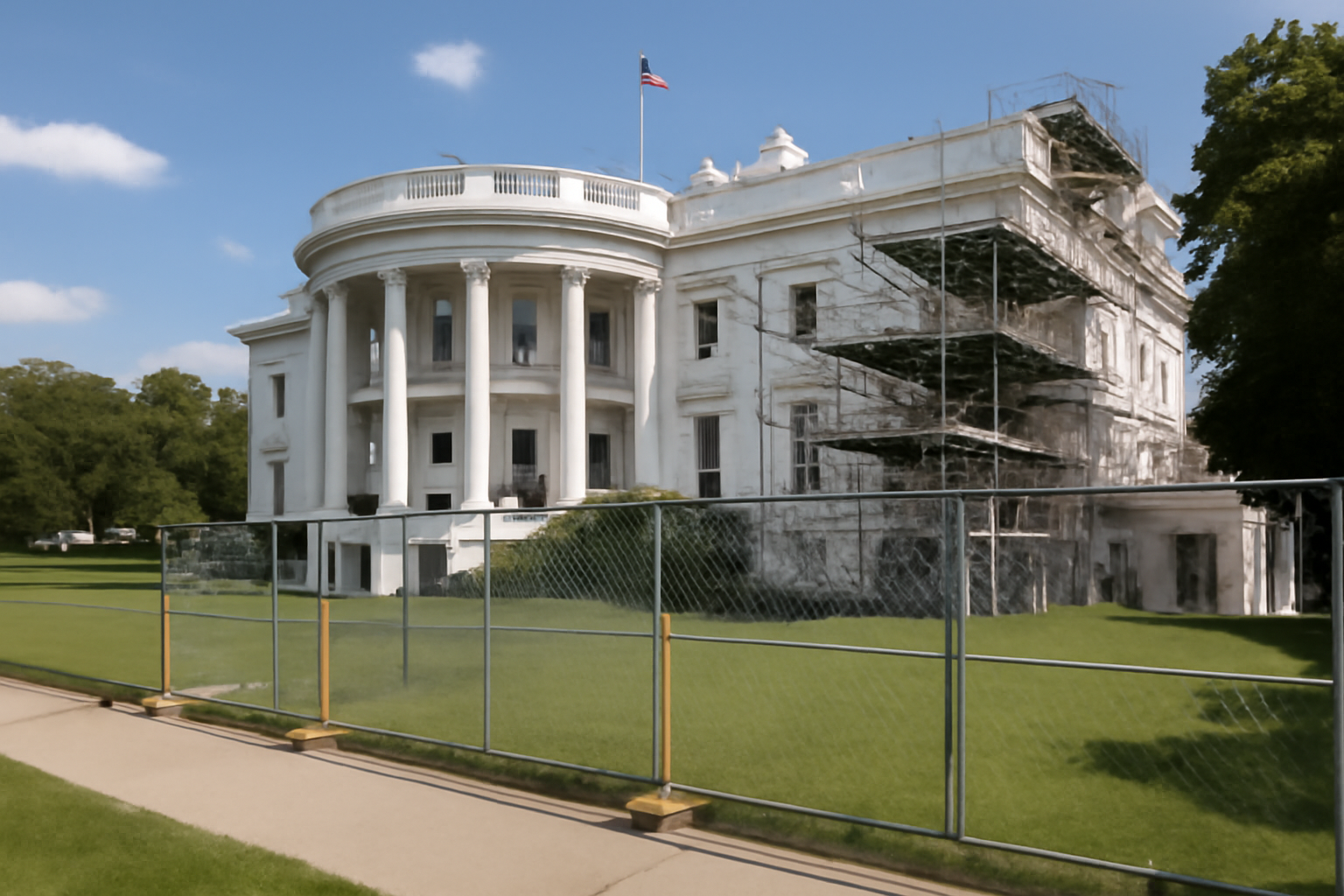
This is an opinion piece from the Quote Conservative Commentary Desk.
The Supreme Court, split in its decision, ruled that construction of a White House ballroom may proceed, according to The Hill, citing the originating Supreme Court opinion. The ruling means the project, which had apparently been held up pending legal review, can now move forward.
What Did the Supreme Court Actually Decide?
The core holding, as reported, is narrow but consequential: construction of the ballroom at the White House may proceed. The Hill's report frames the Court as "divided," meaning the outcome was not unanimous. Beyond that top-line result, the available reporting does not spell out the vote count, which justices dissented, or the legal theory the majority relied on.
What Does "Divided" Tell Readers About the Ruling?
A divided Court signals disagreement among the justices about either the underlying legal question or the proper remedy. It does not, by itself, say whether the dispute turned on executive authority over federal property, procedural standing of whoever challenged the project, or something narrower. Readers should treat claims about the Court's reasoning with caution until the full opinion is published and reviewed.
What Happens at the White House Starting Now?
With the legal barrier lifted, work on the ballroom can resume or begin without further court-ordered delay, based on the plain language of the ruling as reported. That is the operative, Monday-morning fact: crews and planners tied to the project are no longer blocked by the litigation that reached the Supreme Court.
Why Does a Construction Dispute Reach the Supreme Court?
Disputes over executive branch building projects escalate to the nation's highest court when they implicate questions about who controls federal property and how far judicial review extends into the executive's management of it. That tension sits at the center of American federalism, the division of authority between branches and levels of government, a subject explored in Quote Conservative's Understanding Federalism: A Concise Guide. Cases like this test how much deference courts owe the executive on operational decisions versus how much oversight they retain.
What Should Readers Watch For Next?
The full text of the opinion, once available, should clarify the vote breakdown and the legal rationale, including whether any justices wrote separately in dissent. Until that text is public, readers are left with the headline result: a divided Supreme Court cleared the way for the White House ballroom project to continue. Any claim about the Court's underlying reasoning beyond that fact should be treated as unconfirmed.
Questions
Did the Supreme Court explain why it is divided on this ruling?
The available reporting confirms the Court's decision was split but does not detail the vote count or the justices' individual reasoning.
Can construction on the White House ballroom start immediately?
Based on the ruling as reported, the legal obstacle to construction has been lifted, meaning the project may proceed without further court-ordered delay.