news
Kagan's One Warning: The Supreme Court Has Damaged Democracy
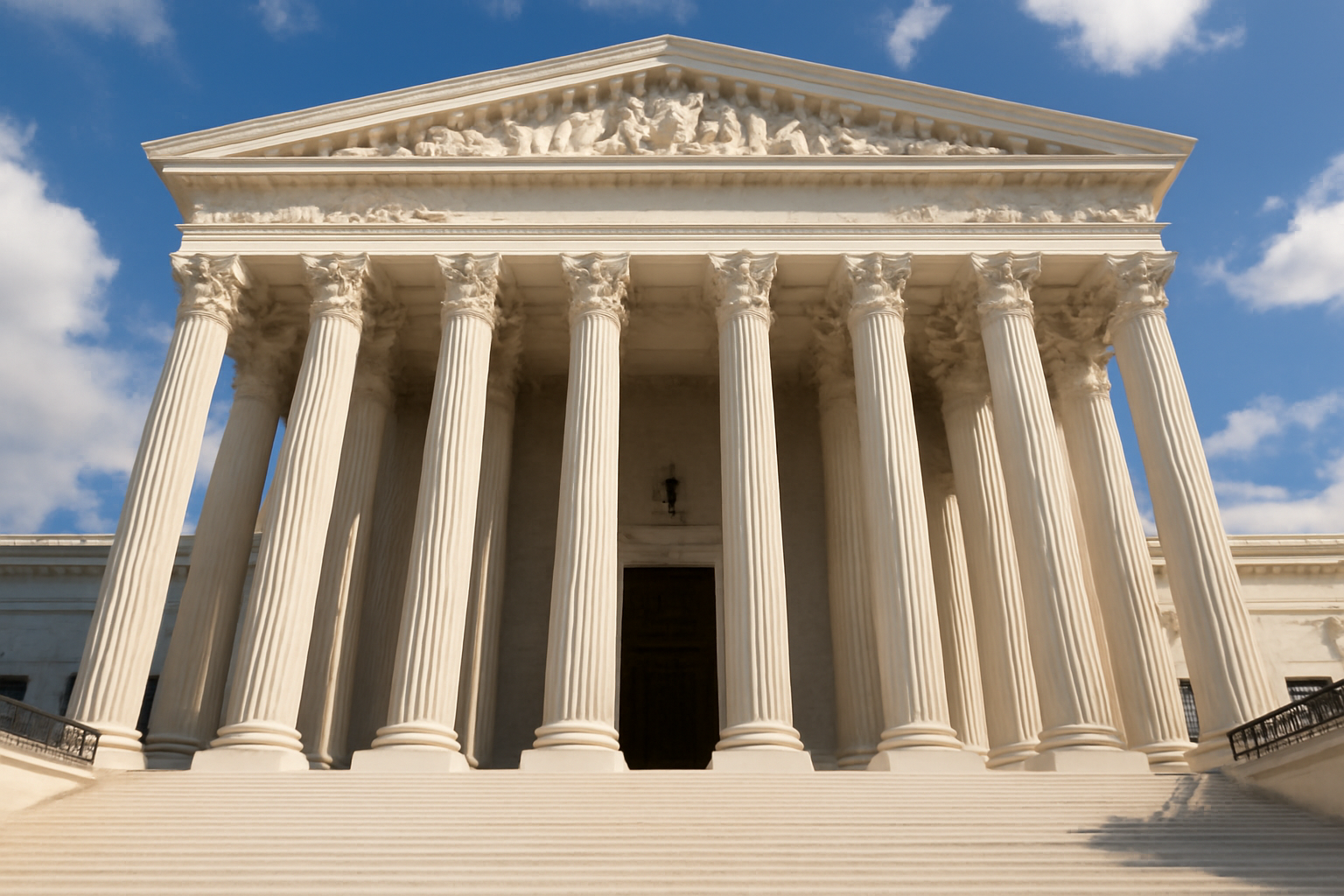
Opinion.
Justice Elena Kagan, an associate justice of the U.S. Supreme Court, has said the Court's recent rulings have damaged American democracy, according to The Washington Post. The claim, coming from a sitting member of the Court rather than an outside critic, deserves to be weighed on its own terms rather than waved away or cheered reflexively.
What did Justice Kagan reportedly say about the Supreme Court?
The Post's report, as reflected in its headline, states plainly that Kagan believes the Court's own recent decisions have weakened democratic governance. That is a notable sentence for a justice to say about the institution she serves on. Judges are supposed to decide cases, not issue verdicts on whether their colleagues' rulings are good for self-government. When one does so publicly, it is itself a data point about how strained relations have become inside the building.
Why does criticism from a sitting justice carry weight?
Justices rarely criticize their own Court's output by name while still sitting on it. Dissents are normal; broad public claims that the institution has damaged democracy are not. That rarity is the story here, independent of whether any particular ruling she has in mind was correctly decided. Readers should notice that the newsworthiness of the remark and the correctness of the underlying legal argument are two separate questions, and conflating them is how these stories get overclaimed in both directions.
How does this fit the broader debate over judicial power and federalism?
The argument over whether courts are protecting or undermining democratic accountability is not new, and it plays out below the Supreme Court as well. As Quote Conservative's guide to federalism lays out, the American system splits authority between state and federal actors precisely so that no single court or legislature can claim to speak for "democracy" unopposed. A justice arguing that her own Court has damaged democratic self-government is, in effect, making a federalism argument at the national level: that the judiciary has taken decisions away from voters and elected officials that voters and elected officials should be making themselves. Conservatives who favor judicial restraint have made versions of that same argument for decades, usually aimed at the opposite ideological target. The irony is worth sitting with rather than dismissing.
What does the Wisconsin license dispute show about judicial restraint?
A parallel example closer to home illustrates the stakes of courts restraining themselves rather than acting. The Wisconsin Supreme Court recently held off on suspending the law license of Hannah Dugan, choosing not to act immediately in a contested matter. Whatever one thinks of the underlying dispute, that decision reflects a court declining to move faster than the facts justified. It is the kind of institutional caution that critics of judicial overreach, on any side of the aisle, generally say they want to see more of — and it stands as a useful contrast to the broader complaint that courts are moving too fast and too far.
Does one justice's warning settle the argument over courts and democracy?
It does not, and it should not be treated as though it does. A justice saying her Court has damaged democracy is an opinion about contested rulings, not a neutral finding. The Court's critics on the right have spent years making the inverse argument about earlier decisions they considered judicial overreach, from redefining statutory text to inventing rights with no textual basis. Both arguments can be sincerely held and both deserve scrutiny rather than deference simply because of who is making them. What Kagan's remark does confirm is that the fight over how much power unelected judges should hold in a self-governing republic is not settling down. It is intensifying, and it is now being argued from inside the Court itself, in public, by name.
What should readers watch for next?
The practical question is whether Kagan's remark remains a one-off aside or becomes a pattern of sitting justices litigating their colleagues' legitimacy in public rather than through opinions and dissents. If other justices, on either wing of the Court, start doing the same, the institution will have a harder time asking the public to trust its rulings as law rather than as politics by other means. That outcome would be bad for the Court regardless of which side benefits from any single decision, and it is the standard against which this moment should be judged going forward.
Questions
What did Justice Kagan say about the Supreme Court?
According to The Washington Post, Justice Elena Kagan said the Court's recent rulings have damaged American democracy.
Why is it significant for a justice to criticize her own Court?
Sitting justices rarely make broad public claims that the institution they serve on has harmed democratic governance, which is itself part of the story.