politics
What We Know: Supreme Court Backs NH Limits on Student Voter IDs
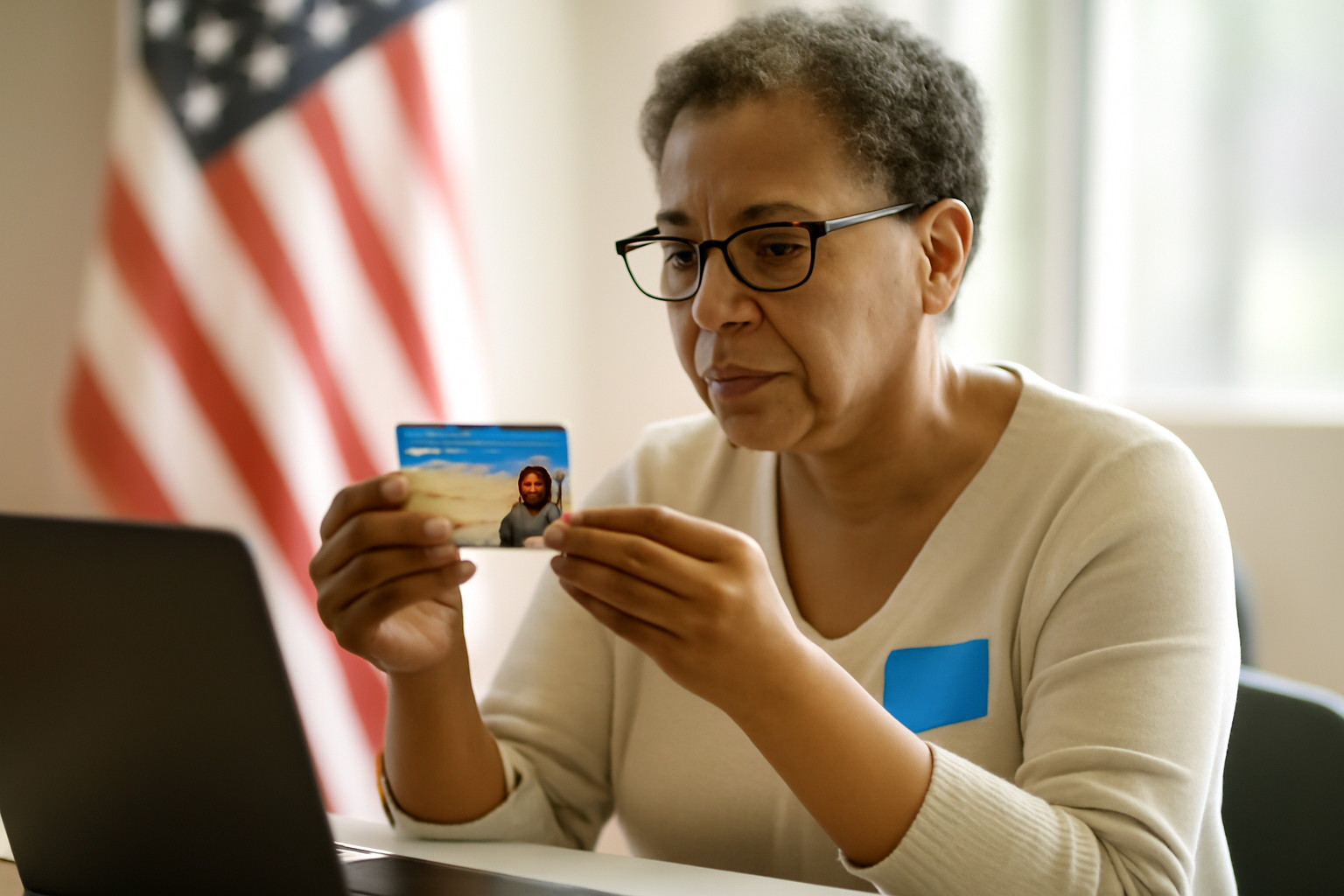
Opinion. The Supreme Court has let stand New Hampshire's authority to restrict student identification cards as a valid form of ID at the polls, according to a report from Scripps News. The decision, as reported, means the state's limits on student IDs for voter identification purposes may continue to be enforced.
What did the Supreme Court decide?
The headline fact, per Scripps News, is narrow: the justices sided with New Hampshire's position that it may limit which forms of student ID count as acceptable voter identification. The reporting available does not detail the vote breakdown, the date of the order, or the specific legal reasoning the Court relied on. Readers should treat those particulars as unconfirmed until a fuller account or the underlying opinion is published.
Why does a state get to set its own voter ID rules?
Election administration in the United States has long rested primarily with state governments, a structural choice baked into the constitutional design. Quote Conservative's own explainer on the subject lays out the basic mechanics of that division of authority between Washington and the states, including how states retain wide latitude over the mechanics of running elections. That framework is the backdrop against which a case like New Hampshire's would be decided. (See Understanding Federalism: A Concise Guide.)
What's the case for letting New Hampshire set the rule?
States that defend tighter voter ID rules typically argue that uniform, verifiable identification protects the integrity of the ballot box and that student IDs, unlike state-issued driver's licenses, are not always subject to the same residency or identity-verification standards. Supporters of state control over these rules generally argue the issue belongs with legislatures closest to the voters affected, not with federal courts rewriting state election codes.
What's the case against it?
Critics of restrictions on student ID use argue that limiting acceptable forms of identification can make it harder for college students — a population that moves frequently and may lack other state-issued documents — to exercise the franchise. That argument has been a recurring theme in voter ID litigation nationally, even though the specific objections raised in the New Hampshire case were not detailed in the available reporting.
What happens next for New Hampshire voters?
With the Court declining to disturb New Hampshire's limits, the state's existing identification requirements for student voters appear set to remain in force for now. What is not yet clear from current reporting is whether the ruling was a formal written opinion, an emergency order, or a denial of review — a distinction that matters for how binding or precedential the decision will be in future election-law disputes. Readers following the case should watch for the full text of the Court's action and any statement from New Hampshire election officials clarifying how the ruling will be implemented at the polls.