politics
Washington — Supreme Court's 'Interim Docket' Label Draws Scrutiny
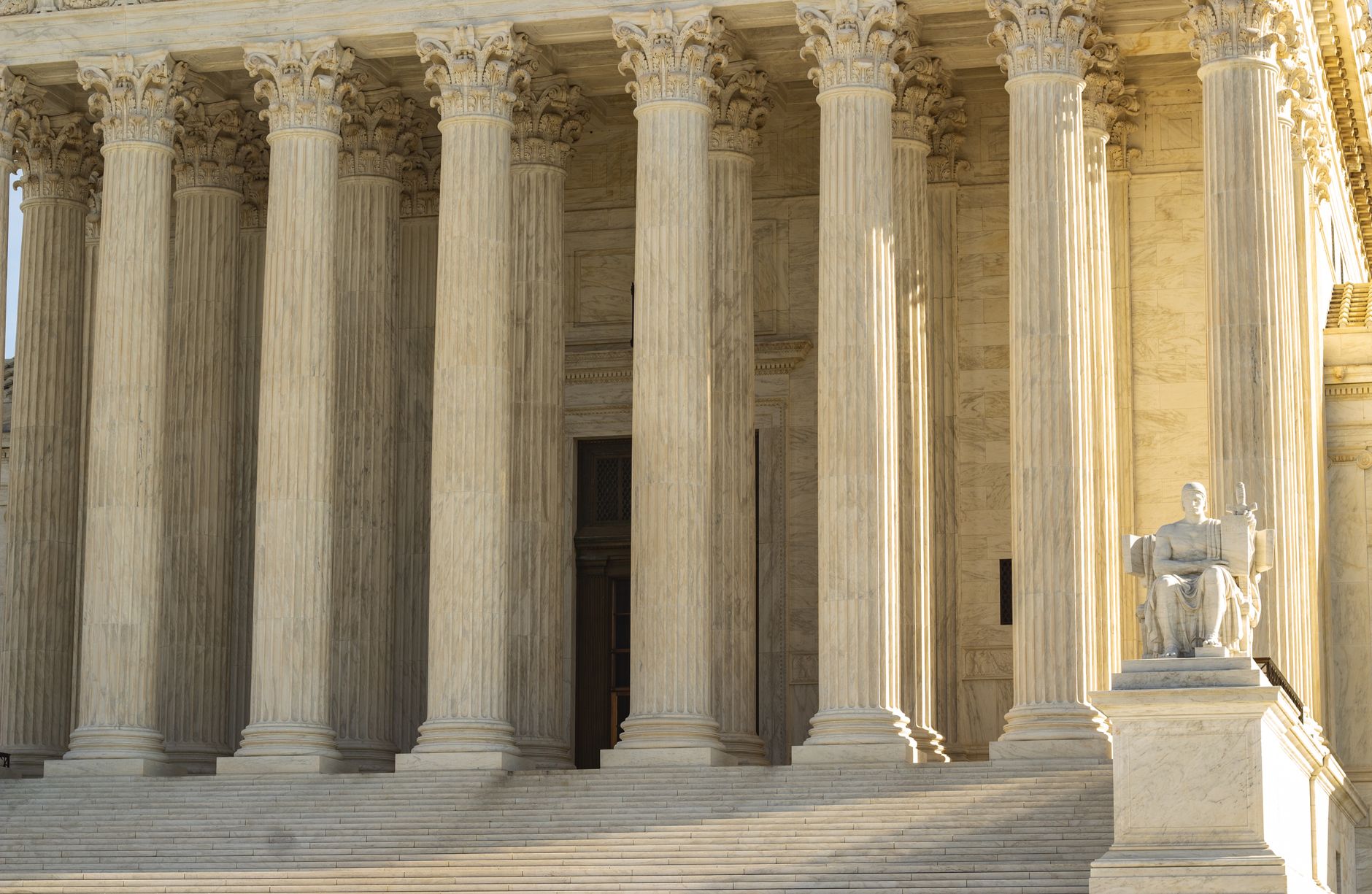
Opinion. The Supreme Court's own website became a story this week, after SCOTUSblog examined how the justices label, organize, and explain the docket that increasingly decides urgent national disputes without full briefing or oral argument. The outlet's piece, headlined "The Supreme Court website, the interim docket, and a whole lot of inside baseball", treats the Court's web presentation as worth a close read on its own terms — not because of any single ruling, but because of how the institution talks about itself.
This is Quote Conservative's commentary desk weighing in on why that distinction is worth a reader's attention.
What Did SCOTUSblog Report About the Court's Website?
SCOTUSblog's piece, linked above, walks through how the Court's site frames the docket used for emergency applications — the one critics have long called the "shadow docket." According to the headline itself, the outlet treats the subject as "inside baseball," the kind of procedural detail that specialists track closely and casual readers rarely notice. That the Court's own site now appears to favor the phrase "interim docket" is, per the piece's framing, part of the story.
What Is the "Interim Docket," and Why the New Name?
The docket in question covers emergency applications — stays, injunctions, and similar relief — that the justices rule on quickly, often with limited briefing and no argument. Critics have used "shadow docket" for years to argue the process lacks the transparency of ordinary merits cases. Defenders counter that emergency relief has always existed for genuine emergencies and that speed is a feature, not a flaw. SCOTUSblog's framing suggests the Court is now using "interim docket" on its own site, a naming choice that lands squarely inside that long-running argument. A word is not a procedural reform, but names do work in public debates, and courts know it.
Why Should a Website Label Matter to Anyone Outside the Legal Trade?
This looks small until a reader recalls what has actually moved through that docket in recent years — disputes over immigration enforcement, election procedures, and federal agency authority have reached the justices first through emergency applications rather than the ordinary route of certiorari, briefing, and argument. When the forum that decides those questions quickly also controls how it describes that forum, the choice is not neutral. Calling it "interim" rather than "shadow" functions as an argument that the process is temporary and bounded rather than opaque. Readers do not have to accept either label to notice the Court has a stake in which one sticks.
Is This Really Just "Inside Baseball"?
SCOTUSblog's own headline hedges on the stakes, and that hedge deserves respect rather than dismissal. Much of how federal courts organize dockets, number cases, and publish orders is genuinely procedural and of interest mainly to practitioners. But the emergency docket is the exception that proves the rule: it is procedure that has become substance, because so many consequential fights now get resolved there first, sometimes permanently in practical effect even when the relief is labeled "interim." Readers interested in how federal courts allocate power between branches and levels of government may find useful grounding in Quote Conservative's guide to federalism, which lays out the basic structure emergency rulings operate within.
Disputes over how fast a court can act, and what that speed costs in terms of record and review, are not confined to Washington. In Wisconsin, the state supreme court held off on suspending a judge's law license while the underlying case proceeded — a reminder that courts at every level weigh speed against process.
What To Watch Next
- Whether the Supreme Court's official site keeps using "interim docket" consistently across orders, opinions, and press materials, or reverts to more neutral wording.
- Whether legal commentators across the political spectrum adopt SCOTUSblog's framing or keep calling it the "shadow docket."
- Whether pending emergency applications this term draw explicit comment from the justices on the docket's purpose or limits.
None of this resolves the underlying argument about whether the emergency docket needs more transparency, more briefing, or neither. It does suggest the Court is aware the argument exists, and is choosing its words accordingly.
Artiglio is A coming-soon iPhone chief of staff for briefings and drafts. Not on the App Store yet.
Questions
What is the Supreme Court's "interim docket"?
It is the Court's term, highlighted by SCOTUSblog, for the docket used to decide emergency applications such as stays and injunctions, often without full briefing or oral argument — the process also known as the "shadow docket."
Why do critics call it the "shadow docket" instead?
Critics have used that phrase for years to argue the emergency process lacks the transparency of ordinary merits cases decided after full briefing and argument, a framing SCOTUSblog's piece places alongside the Court's own "interim docket" language.