politics
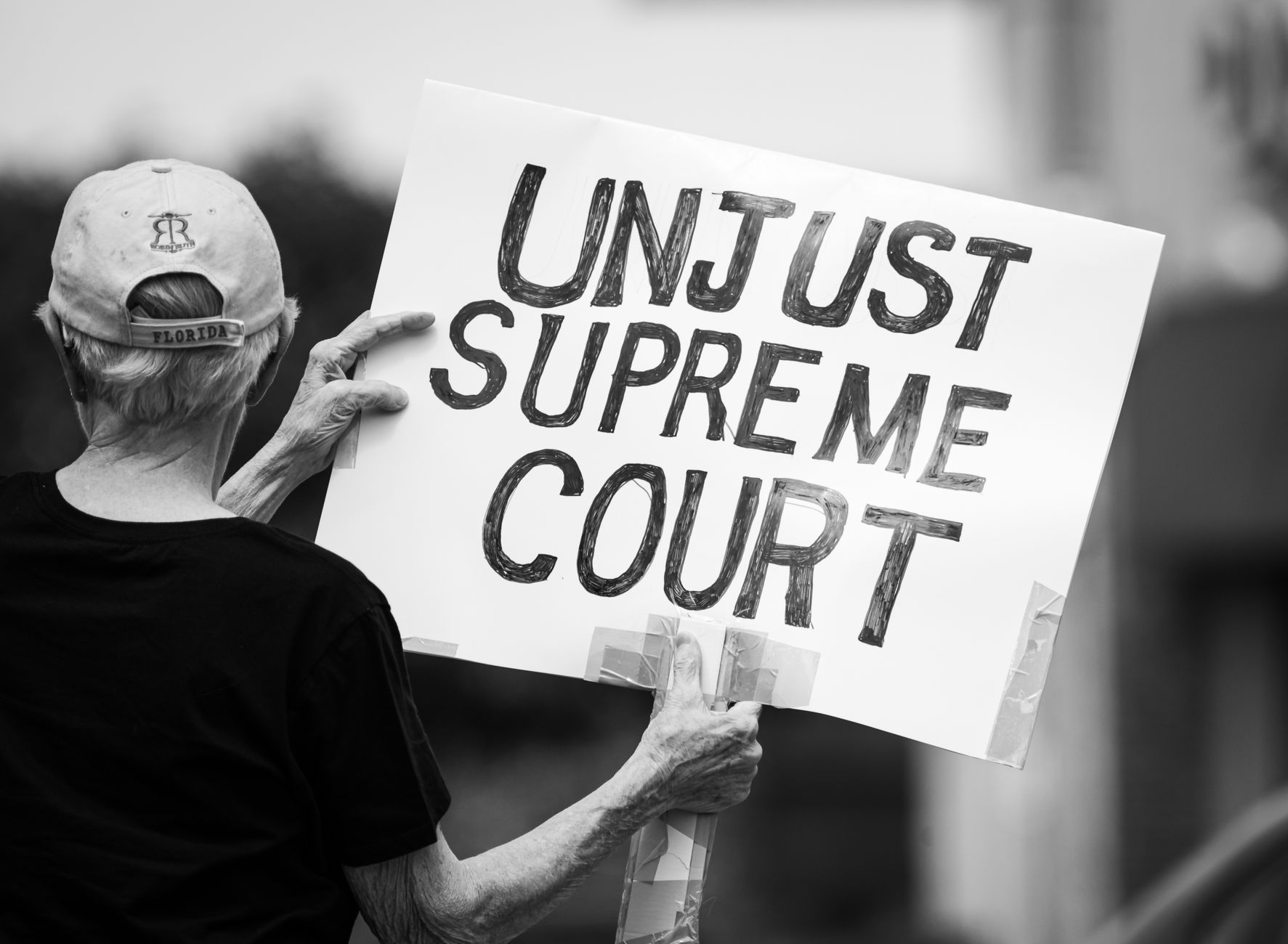
Supreme Court Cases Loom Over the 2026 Midterm Elections
Opinion
The Wall Street Journal's report headlined "How the Supreme Court Is Shaping the Midterm Elections" treats the Court's docket as a live variable in the 2026 campaign, not a sideline issue. That framing deserves scrutiny, because the fights over courts, judges and ballots are already surfacing in state capitals and local news cycles well before Election Day, and campaigns in both parties are using institutions, not just candidates, as arguments.
What Does the Journal Say About the Court's Role?
The headline states its thesis plainly: the Supreme Court is shaping how the midterms play out. This piece does not attempt to re-report the Journal's full analysis — readers should go to the original story for the complete picture. What can be said with confidence is that a flagship national outlet is treating the Court's calendar as campaign material, which is itself a signal about how 2026 is being argued.
How Is a State Supreme Court Case Feeding the Same Narrative?
Not every courtroom fight tied to the midterms sits at the U.S. Supreme Court. In Wisconsin, the state's own high court recently held off on suspending the law license of Judge Hannah Dugan, a decision this desk reported this month. The case matters less for its outcome than for what it signals: a judicial disciplinary question is now part of the political conversation heading into 2026, the same way it would be in a contested state court race.
Why Are Election Fraud Cases Becoming a Midterm Flashpoint?
HTT News also reported that U.S. election fraud cases are rising amid integrity concerns. Whether that rise reflects more fraud, more enforcement, or more litigation is not settled by the headline alone, but the claim itself is already becoming a campaign talking point. Candidates on both sides will cite it to argue their preferred case about ballot security, and voters should ask which version of the claim their source is actually making.
Does Federalism Explain the Split Between State and Federal Courts?
It helps. A primer on federalism from this desk lays out why a Wisconsin judge's license and a U.S. Supreme Court ruling are legally distinct questions even when they land in the same news cycle. Federal courts set national rules; state courts police state officers and state law. Midterm campaigns tend to blur that line because voters experience both as "the courts," not as separate systems with separate jurisdictions and separate incentives.
What Should Voters Watch Before November?
No single ruling decides a midterm. But the pattern the Journal flagged is real: courts, state and federal, are becoming venues where campaigns litigate arguments they cannot win outright on the ballot. Watching which cases move from filing to ruling before November will tell readers more than any ad will.
"How the Supreme Court Is Shaping the Midterm Elections" — The Wall Street Journal