news
What We Know About Indiana Supreme Court's Food Program Rebuke
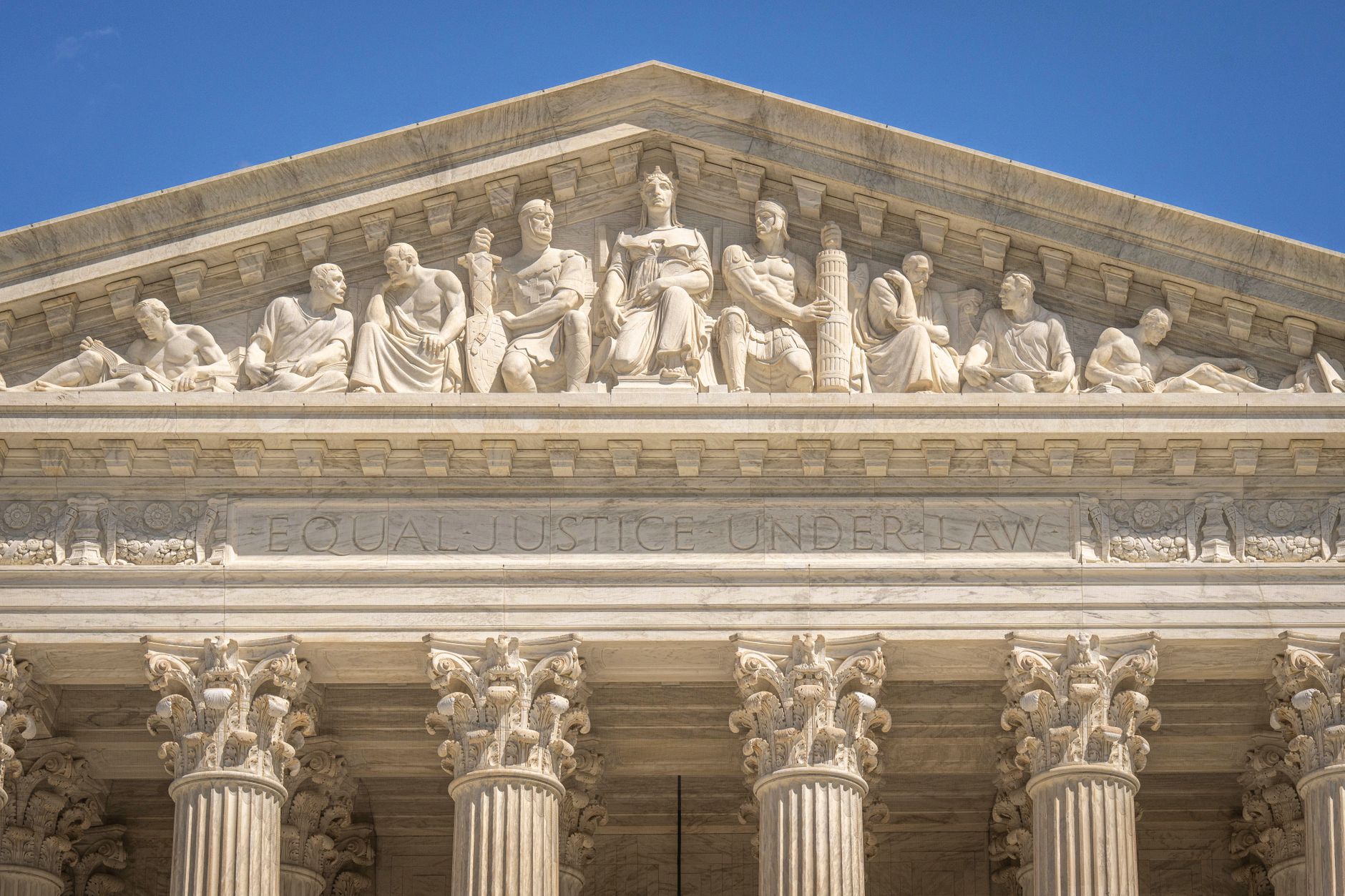
Opinion. The Indiana Supreme Court has rebuked the Indiana Department of Education over its handling of a food program decision, according to a report from The Indiana Lawyer. That is the confirmed fact. The rest deserves scrutiny before anyone draws a larger conclusion.
What did the Indiana Supreme Court actually say?
The available reporting establishes only that the state's highest court issued a rebuke directed at the Indiana Department of Education connected to a food program decision. The underlying opinion's specific legal reasoning, the statute or rule at issue, and the vote count are not detailed in the material reviewed for this piece. Readers who want the operative language should go to the court's own opinion rather than secondhand summaries.
What is the "food program" in question?
This is the most important open question, and it is not answered in the sourcing available here. Indiana school districts administer several federally and state-linked nutrition programs, and a rebuke tied to "a food program decision" could touch eligibility determinations, funding disbursement, or administrative procedure. Absent the text of the ruling, speculation about which program is at stake would be guesswork dressed up as reporting. That is a gap worth flagging rather than filling.
Why does a court rebuking an executive agency matter?
Setting aside the specifics, the structural story is familiar: a state supreme court checking a state agency's exercise of delegated authority. That dynamic sits at the center of how American federalism is supposed to work, with state courts acting as a backstop against agency overreach or procedural shortcuts. Readers looking for a primer on how those checks are designed to function can see Quote Conservative's explainer on federalism, which lays out the basic separation-of-powers logic that disputes like this one test.
Is this part of a broader pattern of state courts pushing back on agencies?
The sourcing reviewed here does not establish a pattern beyond this single case. It would be irresponsible to claim a trend without additional documented rulings. What can be said is that when a state's highest court takes the unusual step of rebuking an executive department, it signals that the agency's position was not merely debatable but, in the court's judgment, legally deficient enough to warrant correction on the record.
What should readers watch for next?
The department's response — compliance, appeal, or policy revision — is not yet reflected in the available reporting. Until the full opinion and any follow-up statements from the Indiana Department of Education are published, this remains a developing story with one solid fact and several open questions. Readers should treat secondary summaries, including this one, as a starting point rather than the final word, and consult the court's own filing when it becomes publicly available.
Artiglio is A coming-soon iPhone chief of staff for briefings and drafts. Not on the App Store yet.
Questions
What exactly did the Indiana Supreme Court rule?
Available reporting confirms only that the court issued a rebuke of the Indiana Department of Education tied to a food program decision; the specific legal basis is not detailed in the sourcing reviewed.
Which food program was involved in the dispute?
The program at issue is not specified in the available reporting, so identifying it would require consulting the court's full opinion once published.