news
Utah Supreme Court Justice Jill Pohlman Set to Retain Her Seat
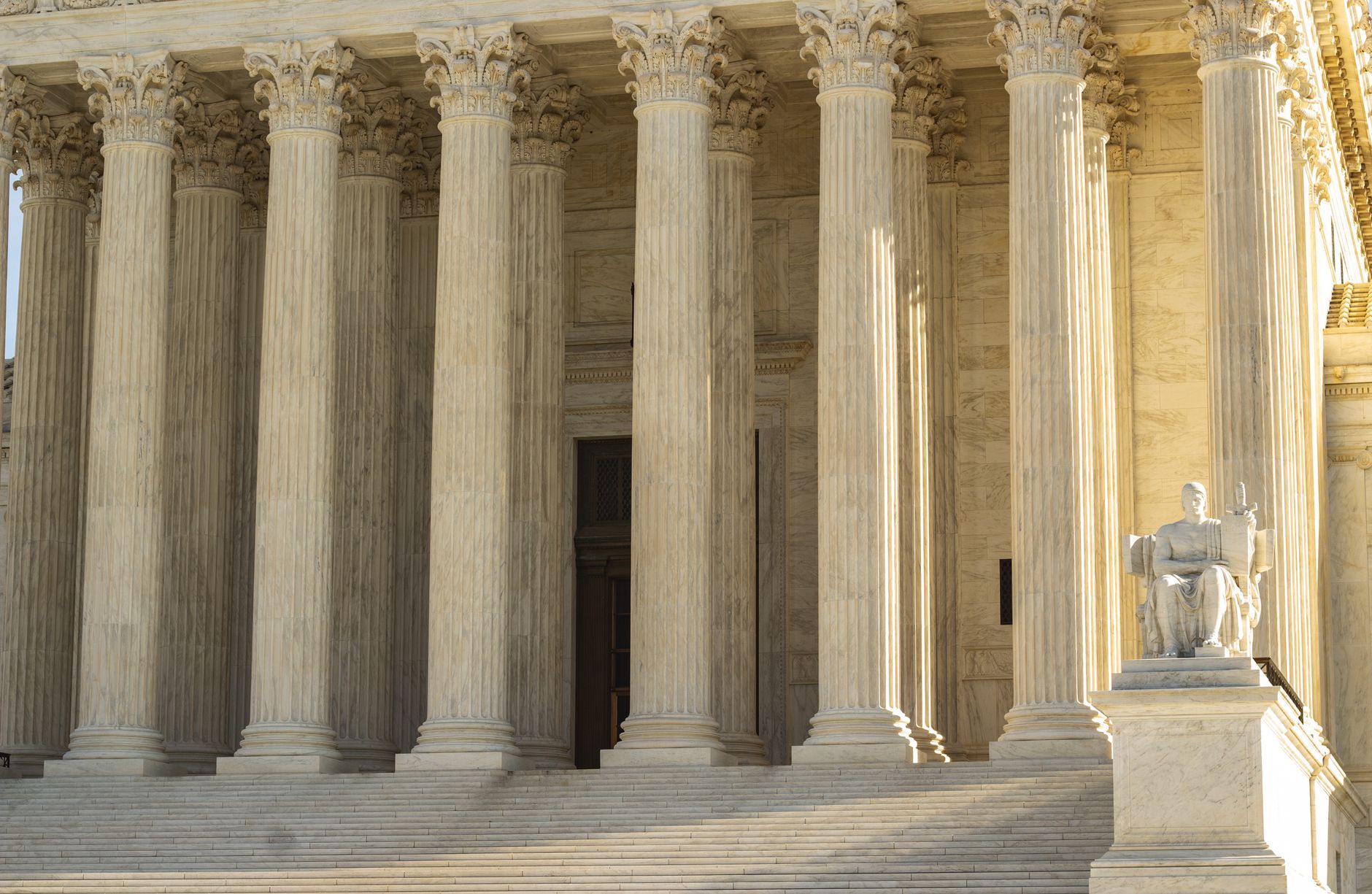
Opinion. Utah Supreme Court Justice Jill Pohlman is on track to keep her seat on the bench, according to reporting from Utah News Dispatch. That is the extent of what the dispatch's own headline and summary establish. No vote tally, no opponent, no evaluation score, and no quoted official appear in the available reporting.
What does "on track" actually mean here?
Taken at face value, the wire item signals that Pohlman faces no serious threat to her position. That is a reasonable read of a short news item. It is also a reminder that a one-line dispatch item is doing a lot of work for a seat on a state's highest court. Readers get a headline verdict without the underlying numbers that would let them judge for themselves whether "on track" means a comfortable margin or a contest still playing out.
Why does a quiet retention story deserve scrutiny?
State supreme courts decide the cases that most directly touch daily life — property disputes, criminal sentencing standards, election procedure challenges. The Commentary Desk has argued before that federalism puts real weight on these state benches, not just the one in Washington. A concise look at how federalism works makes the point that state courts are not a farm league for the U.S. Supreme Court; they are often the last word on the law that governs a given state. A seat changing hands, or not, belongs in that category of news that gets a paragraph when it should get a story.
How does this compare with other state judicial fights getting coverage?
Contrast the volume of attention paid to Wisconsin, where the state supreme court debated whether to suspend Milwaukee judge Hannah Dugan's law license amid a federal case against her. That story carried hearings, filings, and public statements worth tracking. A sitting justice's status in Utah, by comparison, is getting a headline-length treatment. Both are judicial accountability stories. Only one is being reported as if it matters.
What should voters have been told before this ran?
At minimum: the margin or evaluation outcome behind "on track," whether Pohlman faced any formal opposition or public comment process, and the date tied to whatever proceeding produced this result. None of that appears in the sourced dispatch. Until it does, "on track to keep her place on the bench" is a conclusion readers are being asked to accept rather than a result they can check.
The fix isn't complicated. Judicial retention stories, wherever they happen, should carry the same documentary weight as a contested election — the certified count, the date, the official body that made the call. Anything less leaves the public trusting a headline instead of a record.