politics
Arkansas Supreme Court Opens Door to Barred Child Abuse Suits
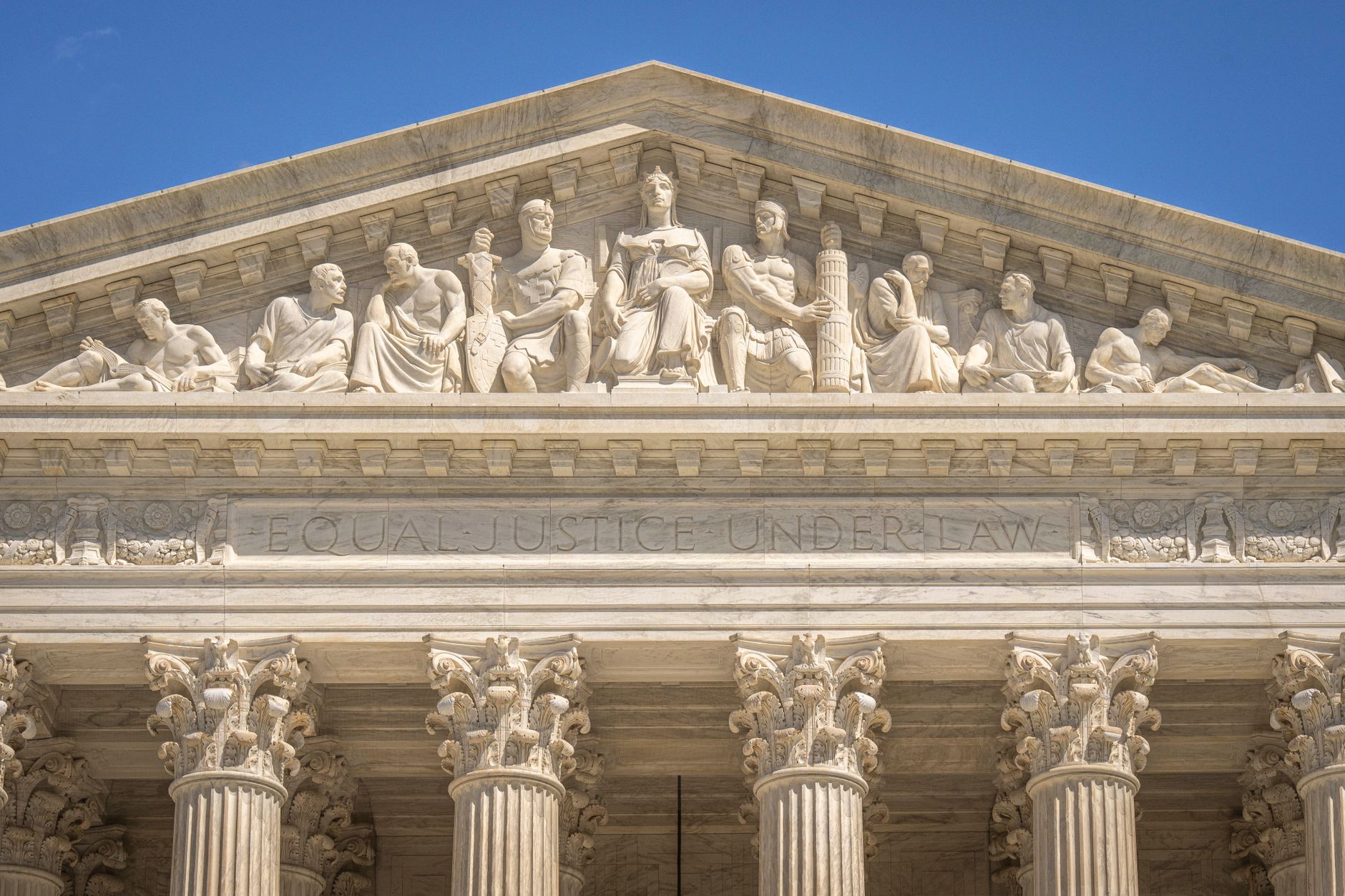
Opinion. The Arkansas Supreme Court has ruled that child sexual abuse survivors whose claims were once shut out by the state's old filing deadlines can now bring those lawsuits, according to KATV's reporting on the decision. The ruling marks a shift in how the state's courts treat abuse claims that had already expired under whatever filing deadline applied when the alleged conduct occurred.
What Did the Arkansas Supreme Court Actually Decide?
The opinion, as described by KATV, clears a path for lawsuits that were previously barred to move forward. That is the headline fact, and it is the one worth sitting with before anyone rushes to label it a win or a loss. Court rulings on statute-of-limitations questions rarely settle anything in a single stroke; they reopen a door, and then trial courts, defense lawyers, and plaintiffs' attorneys spend years arguing about exactly how wide that door swings.
Why Were These Lawsuits Barred in the First Place?
Statutes of limitations exist for a reason that has nothing to do with doubting survivors: evidence degrades, memories fade, witnesses die, and institutions argue they need some point of finality to manage risk and insurance. Once a filing deadline passes, a claim is ordinarily barred no matter how serious the underlying conduct — a plaintiff can have an airtight case and still lose on a technicality that has nothing to do with guilt or innocence. That is precisely the tension the Arkansas Supreme Court's decision reopens: a class of claims that the clock had already run out on is now, per the ruling KATV reported, back in play.
What Do Survivors and Their Advocates Argue?
The argument for reviving time-barred claims is straightforward: children often cannot or do not report sexual abuse until adulthood, long after any ordinary filing window would have closed. Advocates for survivors have made that case in legislatures and courtrooms across the country for years, arguing that a deadline calibrated to adult plaintiffs makes little sense when the plaintiff was a child at the time of the harm and may not have processed it, named it, or felt safe disclosing it until decades later. For those survivors, a court opening the door to a previously barred suit is not a technical curiosity — it is the only chance they will ever get to make a case in front of a judge.
What Do Institutions and Defense Attorneys Warn?
The counterargument is not that abuse didn't happen; it is that retroactively reviving claims the law once considered closed raises real due-process questions for defendants — individuals, schools, churches, or other institutions that built their affairs, insurance coverage, and record-keeping around the assumption that old claims were permanently barred. Defense lawyers routinely argue that stale evidence and unavailable witnesses make it harder to mount a fair defense decades after the fact, and that retroactive liability changes the rules on parties who had no way to anticipate the law would later be reopened against them. Arkansas courts will now have to work through how that tension applies case by case.
How Does This Fit the Broader Pattern Among States?
Arkansas is not writing on a blank slate. States have taken sharply different approaches to the question of whether and how far to reopen expired child sex abuse claims, and that variation is itself a feature of how the American system divides lawmaking power between Washington and the states. As Quote Conservative's guide to federalism lays out, states retain wide authority to set their own civil procedure rules, including filing deadlines for lawsuits — which is exactly why a ruling in Little Rock can move in a direction a neighboring state's courts or legislature has not.
What Happens Next in Arkansas's Courts?
The practical next step is straightforward and unglamorous: survivors whose claims were previously time-barred can now file, and defendants will contest those filings on the merits and on whatever procedural grounds remain available to them. Nothing about the Arkansas Supreme Court's decision, as reported, guarantees any particular survivor wins a case — it guarantees only that the courthouse door is no longer locked before anyone gets inside.
That is the honest way to read this. A door opening is not a verdict. It is an invitation to argue the case, which is what courts are for.
Questions
What did the Arkansas Supreme Court rule on child sex abuse lawsuits?
According to KATV's reporting, the court opened the door for lawsuits previously barred by the state's filing deadlines to move forward.
Does the ruling guarantee survivors will win their cases?
No. The decision allows previously barred claims to be filed; defendants can still contest those claims on the merits and remaining procedural grounds.