politics
Supreme Court Justice Hopes Some Rulings Will Be Reversed
Opinion
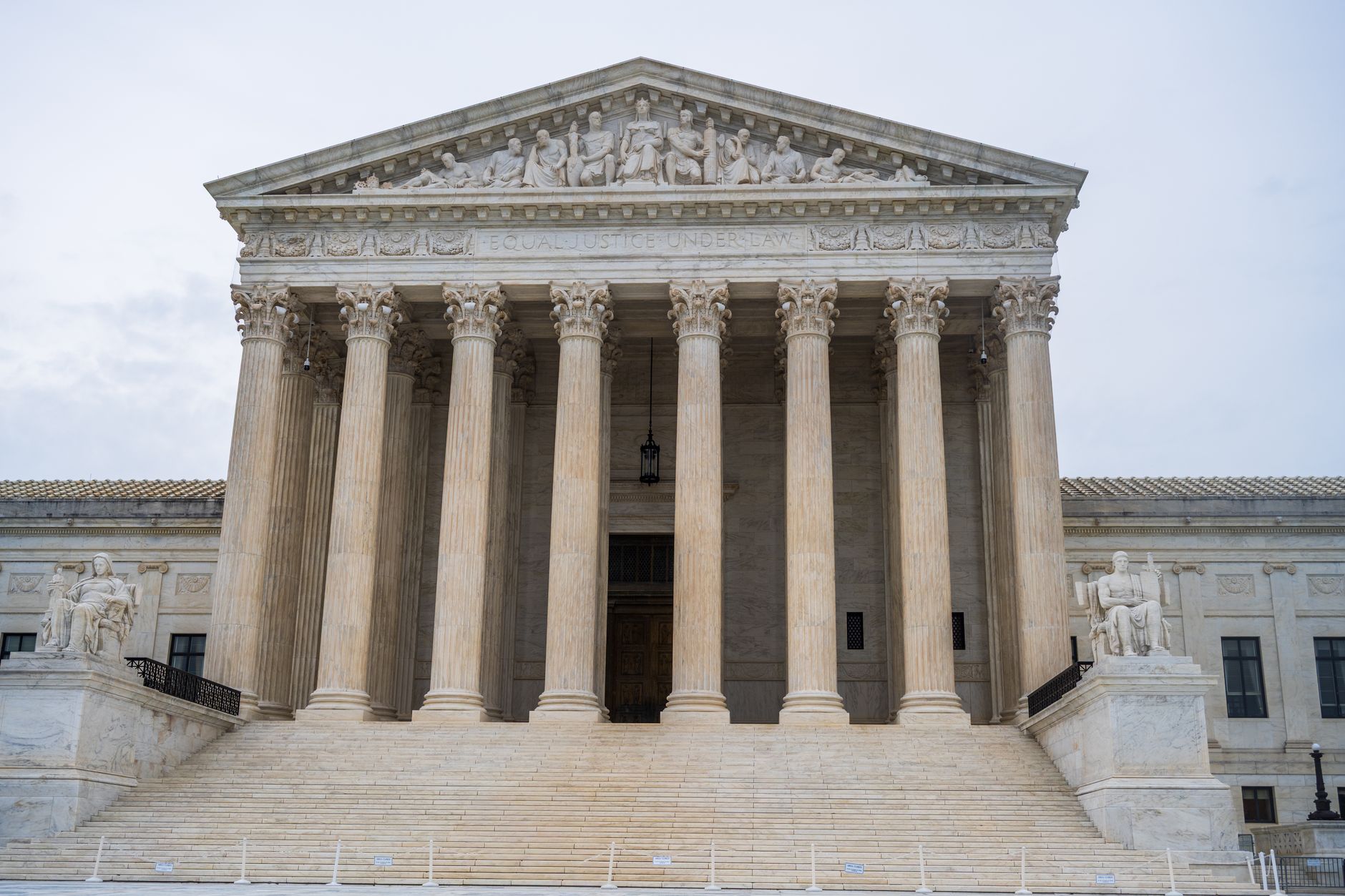
A sitting U.S. Supreme Court justice has said she hopes some of the court's rulings will eventually be reversed, and she praised what she called an "outpouring of voters" responding to the court's work, according to a report carried through Google News, originating with The Independent. The wire summary reviewed for this piece did not include a full transcript, so the specific rulings, the case context, and the rest of the justice's remarks are not available here. What is on the record is the phrase itself, and it is enough to raise a fair question about what sitting judges should say in public.
Why would a justice say she hopes rulings get reversed?
Dissent has a long tradition on the Supreme Court. Justices write separately, flag discomfort with precedent, and sometimes wait years for a future majority to come around to their view. That is normal and, in the opinion of many legal scholars, healthy for a common-law system that revisits its own mistakes. What is less common is a sitting justice framing that hope in the same breath as public reaction — an "outpouring of voters" — as though electoral sentiment were part of the legal case for reversal. Judicial opinions are supposed to rest on text, precedent, and reasoning, not applause meters.
Does praising voter reaction blur judicial independence?
"outpouring of voters"
There are two fair readings here. One: judges are not oracles sealed off from the country they serve, and acknowledging that citizens reacted strongly to a ruling is simply an honest observation about democratic legitimacy — courts do not operate in a vacuum, and a justice noting public response is different from basing a legal conclusion on it. Two: the Constitution insulates the judiciary from electoral pressure precisely so that rulings do not bend to whichever way the political wind is blowing in a given news cycle. Citing voter enthusiasm, even in passing, invites the suspicion that a justice is keeping score of public opinion rather than the law. Readers can hold both of those thoughts at once, and should, because the tension between them is the whole point of lifetime appointments.
How does this connect to state-level fights over judicial power?
A parallel version of this argument is playing out below the Supreme Court, where the Wisconsin Supreme Court recently held off on suspending Hannah Dugan's law license, a dispute that similarly tests how much political consequence should attach to a judge's conduct on the bench. Different facts, same underlying question: when does a court's internal discipline — of itself or of its own members — reflect legal standards versus public pressure? The country's appetite for litigating that question has not shrunk.
What does federalism have to do with disputes over court rulings?
Part of the reason these controversies recur is structural. Under the American system, the federal Supreme Court and state supreme courts both issue binding rulings within their own lanes, and voters in different states can end up with different outcomes on the same underlying issue. A concise guide to federalism lays out why that overlapping authority exists by design rather than by accident. A justice's comment about hoping for reversal lands differently depending on whether the audience understands that federal rulings can be narrowed, overturned, or left for states to work around — federalism is the release valve that keeps single rulings from feeling permanent.
Is this part of a broader pattern around elections and courts?
The timing of a justice invoking an "outpouring of voters" also sits against a backdrop of rising attention to U.S. election fraud cases amid integrity concerns, where courts are increasingly the venue where electoral disputes get settled rather than debated in the abstract. That makes any judicial language about voters carry more weight than it might have a decade ago; readers parsing these remarks online would do well to slow down before reacting, the same instinct behind tools like the mindfulAI Keyboard, built to encourage a pause before the post.
What's clear is that the remark adds one data point to a much older argument: should justices sound like advocates tracking the public mood, or stay above it entirely? Neither side of that debate is going away, and this justice's comment — thin as the public record of it currently is — will not be the last word on it.