politics
Supreme Court Clears One Major Hurdle for Trump's Texas Border Project
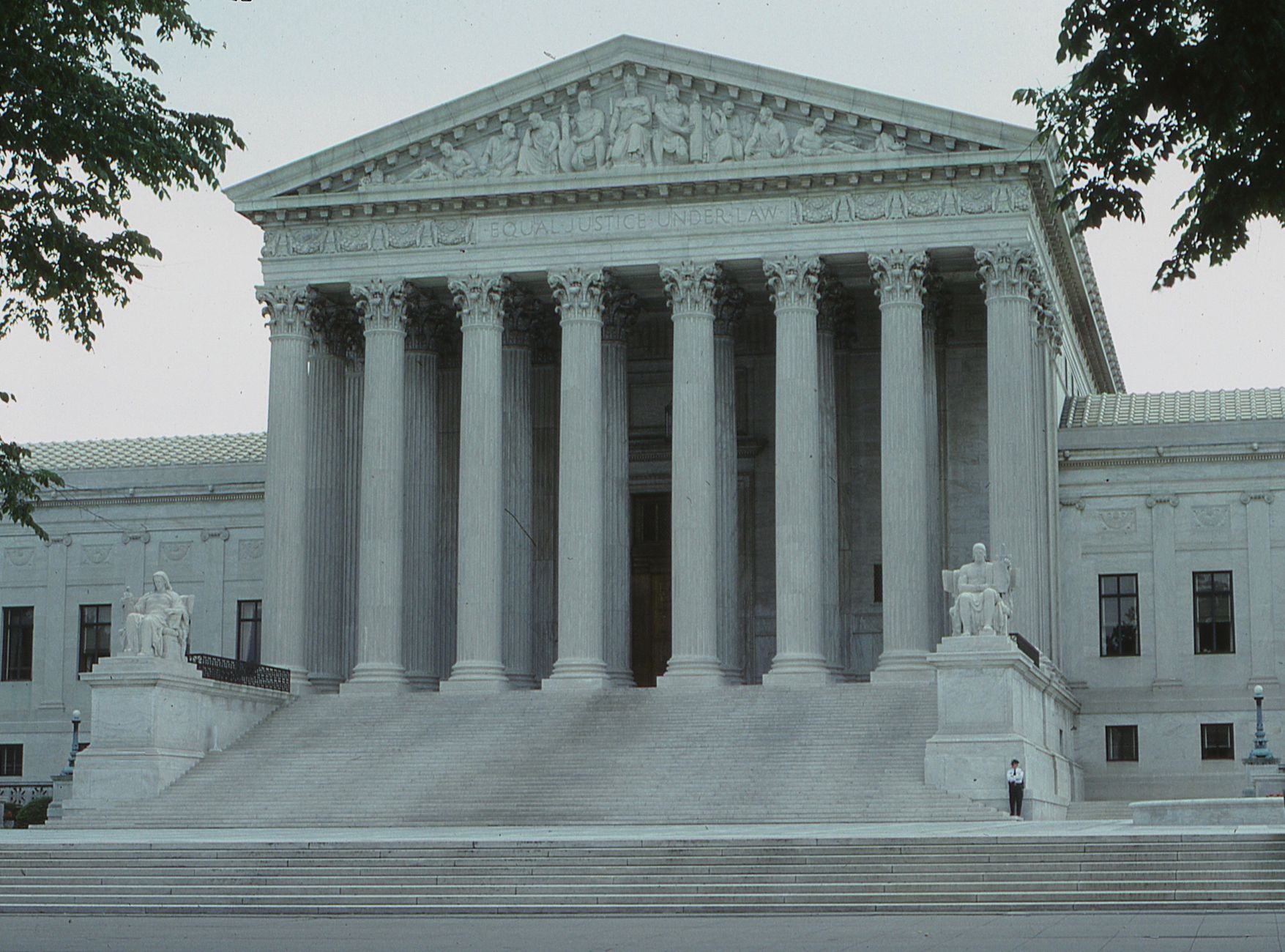
Opinion. The Supreme Court allowed a major part of the Trump administration's border security project in Texas to proceed, according to The Washington Post. The order lifted a lower-court hold that had paused construction, according to the same report. The docket number, the vote breakdown, and the exact scope of the barrier work covered by the order were not detailed in the reporting reviewed for this piece, and this desk will not guess at them.
That gap matters. A one-line order from the Court's emergency docket is not the same as a ruling on the merits of whether the federal government's border authority overrides state or private property claims in Texas. It is a procedural signal — the work can continue while the underlying case proceeds — not a final word on who wins.
What did the order actually do?
Emergency applications to the Supreme Court typically ask the justices to pause, or to lift a pause on, a lower court's injunction while an appeal moves forward. Based on the Post's description, the justices here sided with allowing the project to continue rather than extending whatever hold had stopped it. That is the mechanism: a stay, not a merits decision. Litigants on both sides routinely return to the district court and the court of appeals after this kind of order, because the underlying legal dispute — over statutory authority, property rights, or environmental review, depending on the case — has not been resolved.
Why does a Texas border project end up at the Supreme Court at all?
Border barrier construction under any administration tends to generate overlapping claims: federal statutory authority to build and maintain infrastructure at the border, state interest in securing its own territory, and private landowners' Fifth Amendment claims when government work crosses their property. When a district court enjoins construction, the government's typical path is to appeal and, if time is short, to ask the Supreme Court's emergency docket to lift the injunction while that appeal is pending. That is the posture the Post's report describes here.
Is this part of a broader pattern at the Court?
The Court's emergency, or "shadow," docket has handled an increasing share of consequential immigration and border disputes in recent years, precisely because these cases move fast and the government argues delay itself causes harm. Critics of that pattern argue it produces major policy outcomes with no full briefing, no oral argument, and often no written opinion explaining the reasoning — a complaint that applies regardless of which administration benefits. Defenders counter that the alternative — letting a single district judge's injunction stand indefinitely while construction stalls — effectively hands policy control to whichever court a challenger files in first.
What's the federalism angle?
Border security sits at a genuine seam of federalism: the Constitution gives the federal government primary authority over foreign commerce and naturalization, but states retain police powers over their own territory, and Texas has repeatedly asserted an independent interest in border enforcement. Readers looking for the broader doctrinal frame — who gets to act when federal and state interests diverge — can start with this desk's explainer, Understanding Federalism: A Concise Guide, which lays out the baseline rules before any single case gets layered on top.
What happens next in the litigation?
An emergency order allowing construction to resume does not close the case. The appeal that produced the original injunction is still pending in the lower courts, and a final ruling there — or a later Supreme Court decision taking up the merits — could still go against the project. Readers tracking a fast-moving docket like this one on a phone, rather than refreshing a browser tab all day, may find a tool like the mindfulAI Keyboard useful for firing off quick, typo-free updates as rulings land.
Confirmed so far
- The Supreme Court allowed a major part of the project to proceed, per The Washington Post.
- The order lifted a prior hold on construction, per the same report.
- Case-specific details — docket number, vote count, written reasoning — were not available in the sourcing for this piece.
This desk will update with docket specifics, the vote count, and any written opinion once the underlying order and the parties' filings are available for direct review. Until then, the honest description is narrow: construction can resume; the legal fight over who ultimately controls that stretch of the border is not over.
Questions
Did the Supreme Court rule on the merits of the border project case?
No. The order described in reporting lifted a lower-court hold so construction could proceed, which is a procedural step, not a final ruling on the underlying legal dispute.
What part of the border security project did the Court allow to move forward?
The Washington Post reported the Court allowed a major part of the project to proceed; specific scope details were not included in the available reporting.