politics
What We Know About the Supreme Court's DEI Grant Appeal Denial
Opinion
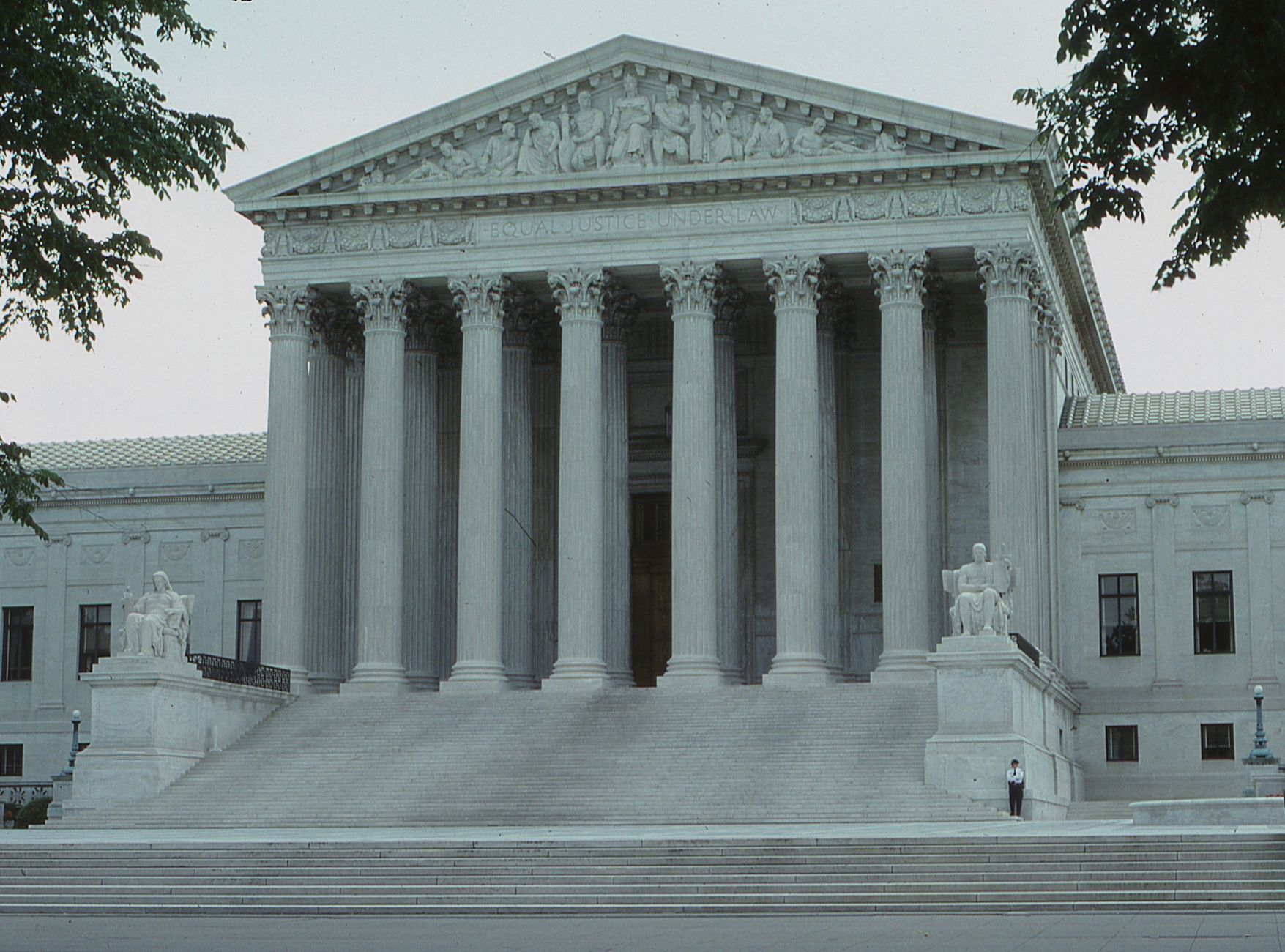
The Supreme Court has declined to take up the Trump administration's appeal over DEI-linked research grant funding, The Hill reports. The outlet's headline states the case plainly: "Supreme Court declines Trump administration's DEI research grant appeal."
What did the Supreme Court actually do?
It turned down the administration's request for review, per The Hill's report. In practice that means the justices voted not to hear the case at all, leaving whatever lower-court ruling the administration was challenging in place. The report does not include the text of an opinion, which is consistent with how the Court typically handles these denials — without a written explanation of the reasoning behind the vote.
What was the administration appealing?
The underlying dispute involves DEI-related research grant funding, according to The Hill. The report does not specify the funding agency, the dollar amounts at stake, or which research institutions are affected, so those details cannot be confirmed here.
Does turning down the appeal settle the legal question?
No. A denial of review is not a ruling on the merits of the dispute. It simply means the Court is not disturbing the lower court's judgment at this time. The legal fight over whether the administration can condition or cancel DEI-tied research funding remains unresolved as a matter of Supreme Court precedent, even though this particular appeal is over.
"Supreme Court declines Trump administration's DEI research grant appeal." — The Hill
What happens to the disputed grants now?
With the appeal declined, the prior lower-court outcome governs the grants at the center of this case going forward, based on what The Hill has reported. Because the source material does not identify the specific court below or its holding, the practical scope of that outcome — nationwide, regional, or limited to individual plaintiffs — is not something this piece can confirm.
How does this fit the broader fight over federal funding and the courts?
This denial lands amid a string of disputes over how far federal courts can go in blocking or reinstating executive branch funding decisions — the same structural question at the heart of Quote Conservative's explainer on federalism. It also arrives as state courts separately wrestle with their own high-profile docket fights, including the Wisconsin Supreme Court's decision to hold off on suspending Judge Hannah Dugan's law license.
What should readers watch next?
- Whether the administration brings a related challenge in a different case or circuit, since this denial does not foreclose future litigation on similar funding disputes.
- Whether any lower court issues a fuller written ruling clarifying which research grants and agencies are affected.
- Whether Congress or the relevant funding agency moves independently on DEI-tied grant criteria while the litigation continues elsewhere.
Readers should treat this as a procedural outcome, not a final verdict on DEI research funding policy.
Questions
Did the Supreme Court rule on the merits of the DEI grant dispute?
No. Declining to hear an appeal is a procedural denial, not a ruling on the underlying legal question, according to standard Supreme Court practice and The Hill's report on the outcome.
Does the denial apply nationwide?
The scope is not specified in available reporting; The Hill's report does not identify the lower court or the geographic reach of the ruling that remains in place.