politics
Washington — New Analysis Maps Supreme Court Emergency Docket Blocs
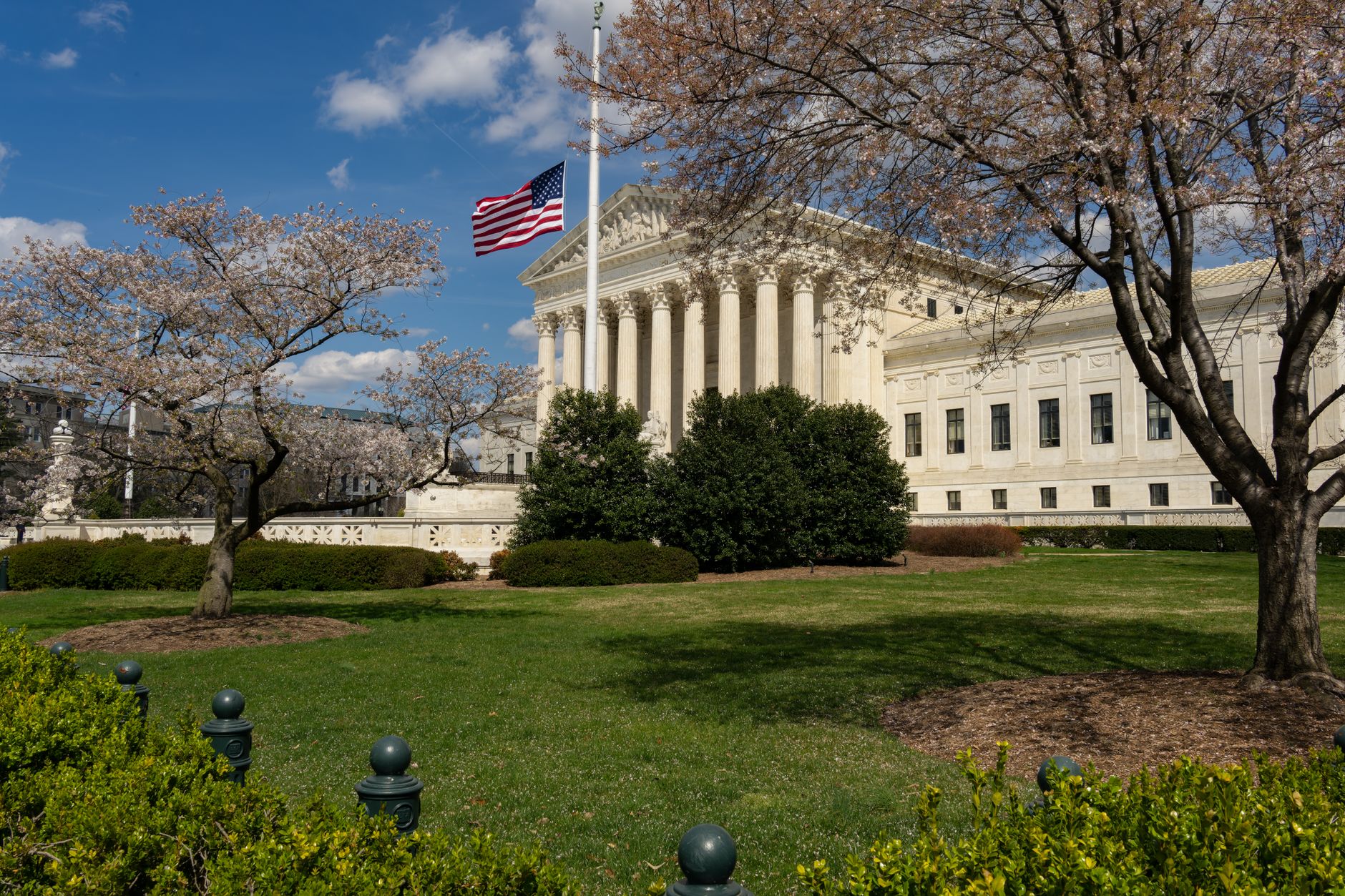
Opinion. A Substack piece titled "The Supreme Court's Emergency Coalitions," credited to Adam Feldman and indexed this week by Google News under its Supreme Court opinion coverage, has reopened a question that will not go away: who actually decides when the justices rule on emergency applications without full briefing or oral argument, and what does the grouping of votes on those applications say about the Court itself. Read the indexed coverage.
What does the analysis examine?
The title alone signals the frame: "coalitions" implies tracking of which justices align, and how often, when the Court acts on its emergency docket rather than through merits opinions. That framing matters because emergency rulings carry real-world force — stays, injunctions, and denials that take effect immediately — while the written reasoning behind them is often thin or absent. A reader cannot evaluate the piece's specific findings from the headline alone, but the subject it has chosen to examine is itself the story: the public record of how the Court votes outside its normal process.
Why does the emergency docket draw scrutiny?
The concern is straightforward and does not require taking a side on any pending case: when a court decides matters that affect millions of people through brief, often unsigned orders, the public has less information about reasoning and about which justices supported which outcome. That opacity is precisely what an analysis mapping "coalitions" is built to address. The argument for more disclosure does not depend on agreeing with any particular ruling — it depends on whether citizens can see how the institution that issues final word on federal law actually operates.
How does this connect to state-level fights over judicial authority?
The same tension — fast-moving judicial action versus public accountability — has played out below the Supreme Court. HTT News reported that the Wisconsin Supreme Court, in Madison, Wisconsin, declined to immediately suspend the law license of Judge Hannah Dugan while related proceedings continued, as detailed in HTT's coverage. Whatever the merits of that specific matter, it illustrates the same structural question: courts at every level face pressure to act quickly, and the public is left to parse orders issued with limited explanation.
Why does federalism matter to this debate?
HTT's own explainer on federalism lays out the basic divide between state and federal judicial authority that underlies disputes like Dugan's and, by extension, debates over the U.S. Supreme Court's own procedural shortcuts. See the federalism primer. Transparency arguments do not stop at the federal level; they apply equally to state courts asked to move fast on licensing, injunctions, or emergency relief.
What to watch
- Whether Feldman's full analysis, once more widely available, publishes specific vote breakdowns by justice on emergency applications.
- Whether legal commentators or members of Congress cite the piece in renewed calls for the Court to explain its emergency-docket reasoning.
- Whether state supreme courts, including Wisconsin's, face similar calls for written explanation in fast-moving judicial-conduct matters.
- Whether the Supreme Court itself addresses the criticism in future emergency orders.
mindfulAI Keyboard — An iPhone keyboard that rewrites a draft in a tone you pick. Four free AI actions a day.
Questions
What is the Supreme Court's 'emergency docket'?
It refers to the process by which the Court rules on urgent applications, such as requests for stays or injunctions, often without full briefing or oral argument.
What did Adam Feldman's Substack piece examine?
Titled 'The Supreme Court's Emergency Coalitions,' the piece, indexed by Google News, focuses on how justices group together when voting on emergency applications.