politics
Vladeck Argues First Amendment Covers White House Press Access
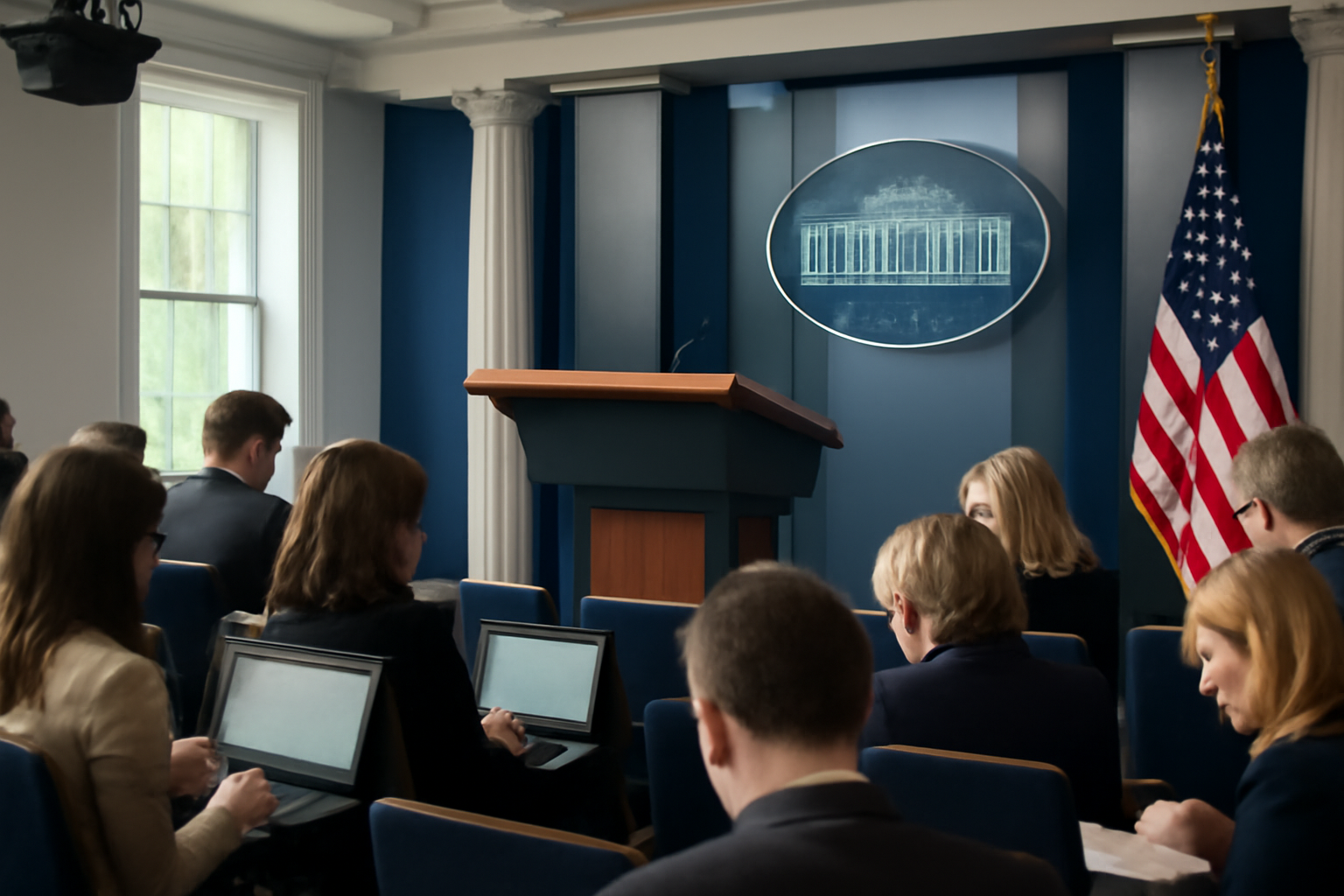
Opinion. The 251st installment of Steve Vladeck's "One First" newsletter, published on Substack, takes up a question that keeps resurfacing without a clean answer: does the First Amendment give reporters a right to gather news inside the White House, or does it only protect what they publish once they get there? Vladeck's essay, part of a running series on constitutional law, treats this as an open legal question rather than a settled one — and it arrives without a new court ruling attached to it, which is precisely what makes it worth engaging on the merits rather than the headline.
What is Vladeck actually arguing?
The newsletter frames the dispute as one of newsgathering versus publication. It is not new for a First Amendment scholar to draw that line, but Vladeck's decision to revisit it now, in the context of ongoing White House press-credential fights, signals that the legal community sees the question as unresolved rather than academic.
Does the First Amendment guarantee physical access?
This is the crux, and it is genuinely contested. One camp holds that a constitutional right to publish is meaningless if the government can freely decide who is physically present to gather the facts in the first place. The opposing view — one the executive branch has leaned on in credentialing disputes — is that the White House press pool is a privilege extended at the discretion of the administration, not a constitutional entitlement, and that security and space constraints give the government legitimate grounds to limit access. Vladeck's newsletter does not treat this as a closed question, and neither should readers looking for a quick answer.
Why is this surfacing now instead of after a ruling?
That the piece is commentary rather than case analysis is itself notable. Legal newsletters like "One First" have become a venue where scholars work through doctrine before it hits a docket, effectively previewing arguments that will eventually show up in litigation over press credentials, briefing room seating, or pool reporter selection.
What's actually at stake for reporters?
If the newsgathering side of the First Amendment carries real weight, administrations of either party face tighter limits on revoking access as a punitive tool. If it does not, the White House press pool remains what it has functionally operated as for decades: a courtesy, not a right — subject to the same discretion an administration exercises over any other visitor to the building.
Where does this fit in the broader legal landscape?
The newsgathering debate sits alongside other current fights over the boundaries of executive authority and constitutional text — the same terrain covered in Quote Conservative's explainer on federalism, which lays out how courts parse the line between government discretion and constitutional obligation. Readers who want the doctrinal weeds should go straight to Vladeck's newsletter rather than a secondhand summary of it.
Questions
Does the First Amendment guarantee reporters access to the White House?
The question is legally unresolved. Steve Vladeck's newsletter frames it as an open dispute between a right to publish and a separate, contested right to gather news in person.