politics
Supreme Court Steers Clear of Two Midterm Election Fights
Opinion.
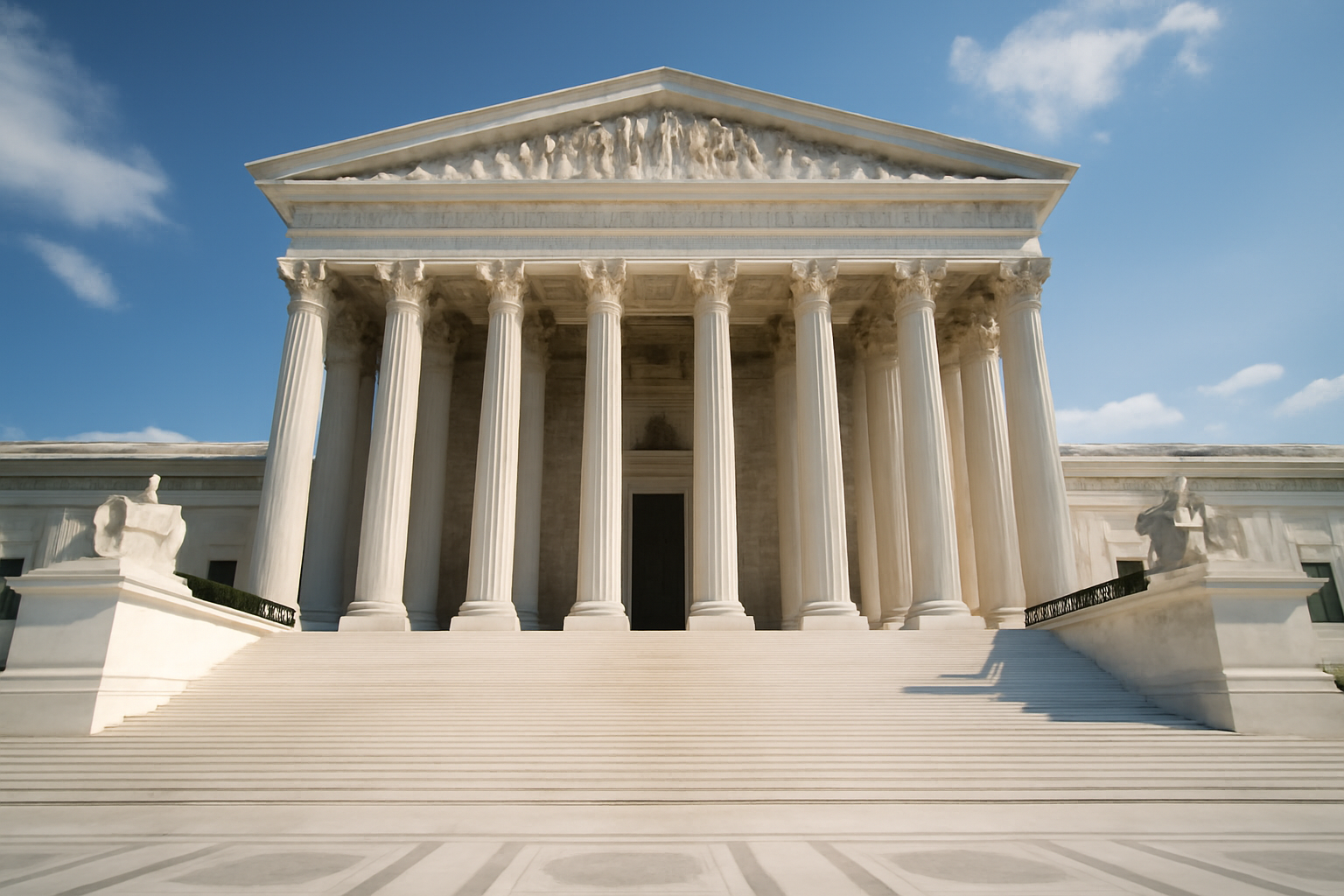
The Supreme Court declined to step into two legal fights tied to the 2026 midterms, according to SCOTUSblog. The move leaves both disputes with lower courts rather than the justices, a choice the outlet frames as a deliberate effort to keep the Court out of partisan territory before voters cast ballots this fall.
What Did the Court Actually Decide?
SCOTUSblog reports the justices refused to take up either case, meaning no ruling from Washington will reshape midterm ballot rules or procedures before Election Day. That is not a ruling on the merits. It is a refusal to rule at all — a distinction that matters for how lower courts and state officials proceed in the meantime. Read the SCOTUSblog account.
Why Would the Court Avoid Election Cases Right Before a Vote?
SCOTUSblog's framing is direct: the Court is trying not to look partisan. Every election-adjacent ruling in a midterm year invites the charge that nine unelected justices tipped a race. Staying silent carries its own cost — it leaves unsettled legal questions in place, sometimes for years. But the outlet's read is that the justices weighed that tradeoff and chose restraint over intervention this time.
Does Leaving Election Law to Lower Courts Make Sense?
It depends on who is asking. Defenders of restraint argue federal courts, and especially the Supreme Court, should not referee election mechanics that the Constitution largely assigns to states. That principle sits at the center of federalism itself — the idea that states, not Washington, run their own elections absent a clear constitutional violation. Quote Conservative's federalism explainer lays out that structure in plain terms. Critics of restraint counter that unresolved disputes simply get pushed down to state courts and legislatures, where outcomes vary and confusion can spread closer to Election Day.
How Does This Fit the Broader Fight Over Election Integrity?
The Court's silence lands amid a rise in litigation over ballot access and vote counting nationwide. HTT News has reported that election fraud cases are climbing amid integrity concerns heading into the midterms, a trend that raises the stakes on every court that declines to weigh in early. See HTT's reporting. When the nation's highest court steps back, state supreme courts and lower federal courts become the last word — at least until after the vote.
What Happens to These Disputes Now?
Both cases stay where they are. Lower courts retain jurisdiction, and any further appeal would have to clear the same bar the justices just declined to lower. It's a pattern seen elsewhere this year — Wisconsin's Supreme Court similarly held off on a final ruling in the Hannah Dugan license case rather than force a decision, a comparable instinct toward caution in a charged legal moment. That case is detailed here. Whether restraint now means clarity later, or just more litigation after November, is the open question SCOTUSblog leaves on the table.
Questions
Did the Supreme Court rule on the merits of either election case?
No. SCOTUSblog reports the Court declined to intervene, leaving the disputes with lower courts rather than deciding the underlying legal questions.
Why is the Supreme Court avoiding election-related rulings before the midterms?
SCOTUSblog frames the decision as an effort to avoid appearing partisan ahead of the vote, a concern that grows more acute in midterm years.