politics
Supreme Court Declines to Halt Trump's White House Ballroom Demolition
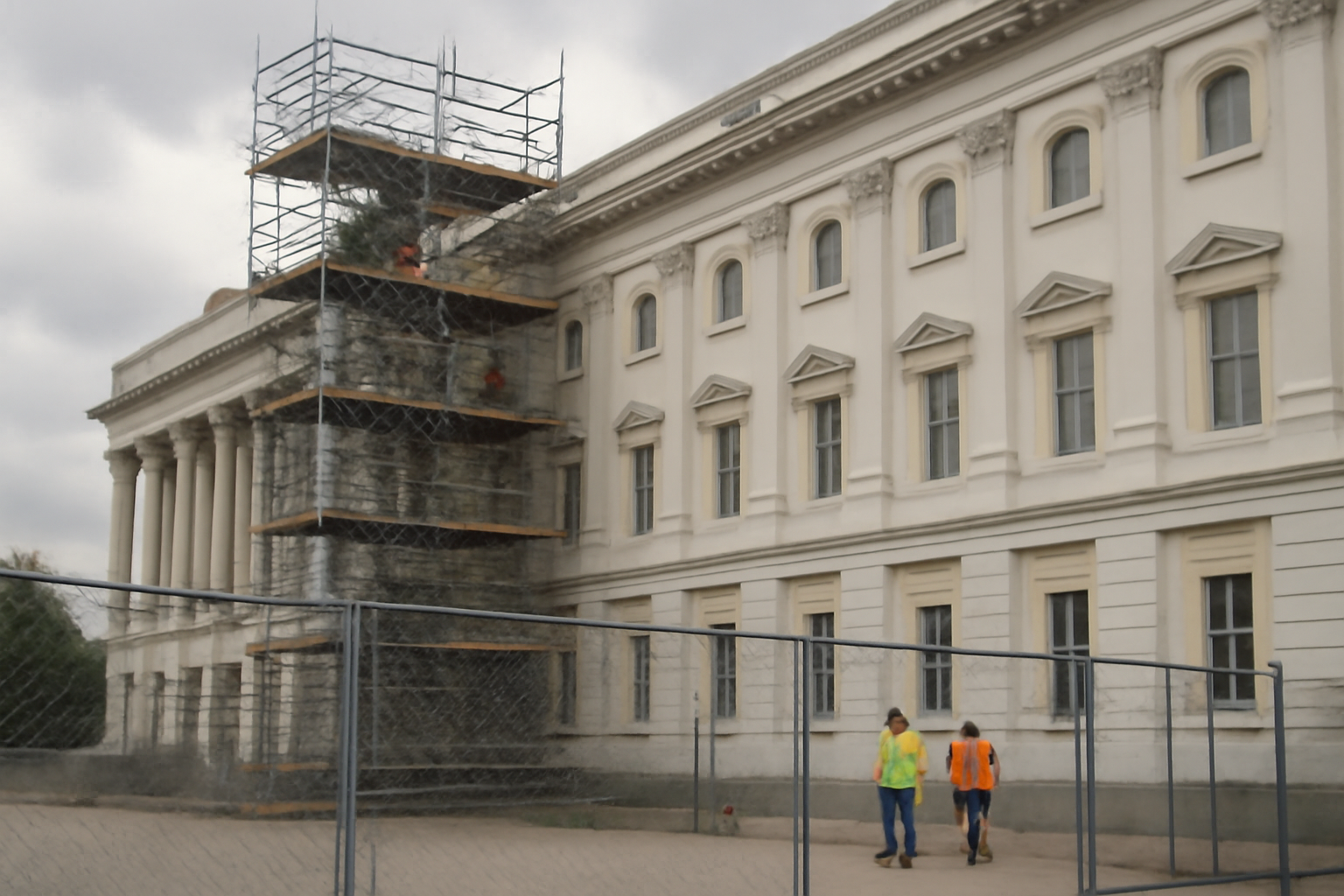
Opinion. The Supreme Court declined to intervene in litigation over demolition work at the White House connected to President Trump's ballroom project, and a CT Insider opinion column says that decision left the historic building exposed to changes that cannot be undone. This desk reads the underlying legal question differently, but the argument deserves a fair hearing before it gets a fair rebuttal.
What Did the Supreme Court Decide on the White House Demolition?
According to the CT Insider column, the justices had an opportunity to stop demolition work tied to the ballroom project and did not take it. The column's central claim is that this inaction amounts to a failure — that the Court, by declining to act, effectively let irreversible alteration of the building proceed. The piece is framed as opinion, not a straight news report, and it argues its position rather than simply describing the docket. The column's own headline states the position plainly: the Court, it says, "erred by failing to protect the White House from Trump's wrecking ball."
What Does the CT Insider Opinion Argue?
The column's core contention, as summarized in its framing, is that the White House is a structure whose alterations should be treated as effectively permanent once made, and that the judiciary had a responsibility to preserve the status quo while the underlying dispute over the ballroom project was resolved. By not doing so, the column argues, the Court allowed a fait accompli — construction that forecloses future remedies no matter how a later ruling might come out. That is a standard argument in preservation and injunction law: once a wall comes down, an order restoring it later is close to meaningless.
What Is the Timeline of the Ballroom Dispute?
The sequence described in the source material runs in a straightforward order. First, the ballroom project at the White House became the subject of a legal challenge. Second, that challenge reached the Supreme Court, which was asked to pause demolition work while the case proceeded. Third, the Court declined to grant that intervention, allowing the work tied to the project to continue. Fourth, the CT Insider column was published afterward, arguing the Court's non-intervention was itself the error worth scrutinizing. Each step in that chain comes from the same opinion piece; this desk has no independent reporting to add to the sequence and is not asserting dates beyond what the source establishes.
Does the Constitution Give the Courts a Role Here?
This is where the opinion runs into a harder question than it acknowledges. Federal courts, including the Supreme Court, generally decline to issue injunctions absent a showing of irreparable harm and a likelihood of success on the merits — a threshold, not a formality. If the justices concluded the challengers had not met that bar, declining to act is not an oversight; it is the ordinary operation of equitable relief standards that apply to every litigant, not a special carve-out against this White House occupant. The CT Insider column treats the outcome as self-evidently wrong because the harm is severe, but severity of harm is only half of the legal test. The other half — likelihood of success — is not addressed in the source material at all, which makes it hard to evaluate whether the Court's restraint was principled or, as the column contends, a dereliction.
What's the Conservative Case for Judicial Restraint?
There is a reason courts are reluctant to freeze executive branch renovation and construction decisions on preliminary review: doing so invites every future administration's building, landscaping, and security project to become subject to emergency litigation from opponents who object to the president in office rather than the specific legal defect in the work. A White House ballroom is not self-evidently different, as a legal matter, from prior renovations undertaken by past presidents, and the Court's reluctance to short-circuit ordinary construction disputes through emergency intervention is consistent with how it has treated similar requests regardless of which party controls the executive branch. The column's framing — that the justices failed a duty to "protect" the building — assumes a duty that the opinion does not source to any specific statute, regulation, or precedent.
What Comes Next for the Ballroom Project?
The source material does not indicate whether the underlying case continues on a slower track, whether further appeals are planned, or whether the demolition work described is complete. Readers looking for the full argument should read the original column directly, since this piece summarizes and contests its framing rather than replacing it. For related coverage of how courts weigh emergency intervention against ongoing government action, see this desk's explainer on federalism and reporting on a related judicial-restraint dispute in Wisconsin.
mindfulAI Keyboard — An iPhone keyboard that rewrites a draft in a tone you pick. Four free AI actions a day.
Questions
Did the Supreme Court block demolition at the White House?
No. According to the CT Insider opinion column, the Court declined to intervene, allowing demolition work tied to the ballroom project to continue.
What is the CT Insider column's main argument?
It argues the justices erred by not stopping the demolition, contending the inaction let irreversible changes to the White House proceed before the underlying dispute was resolved.