politics
2026 Supreme Court Ruling Revives DHS Voter Roll Database Use
Opinion — Quote Conservative Commentary Desk
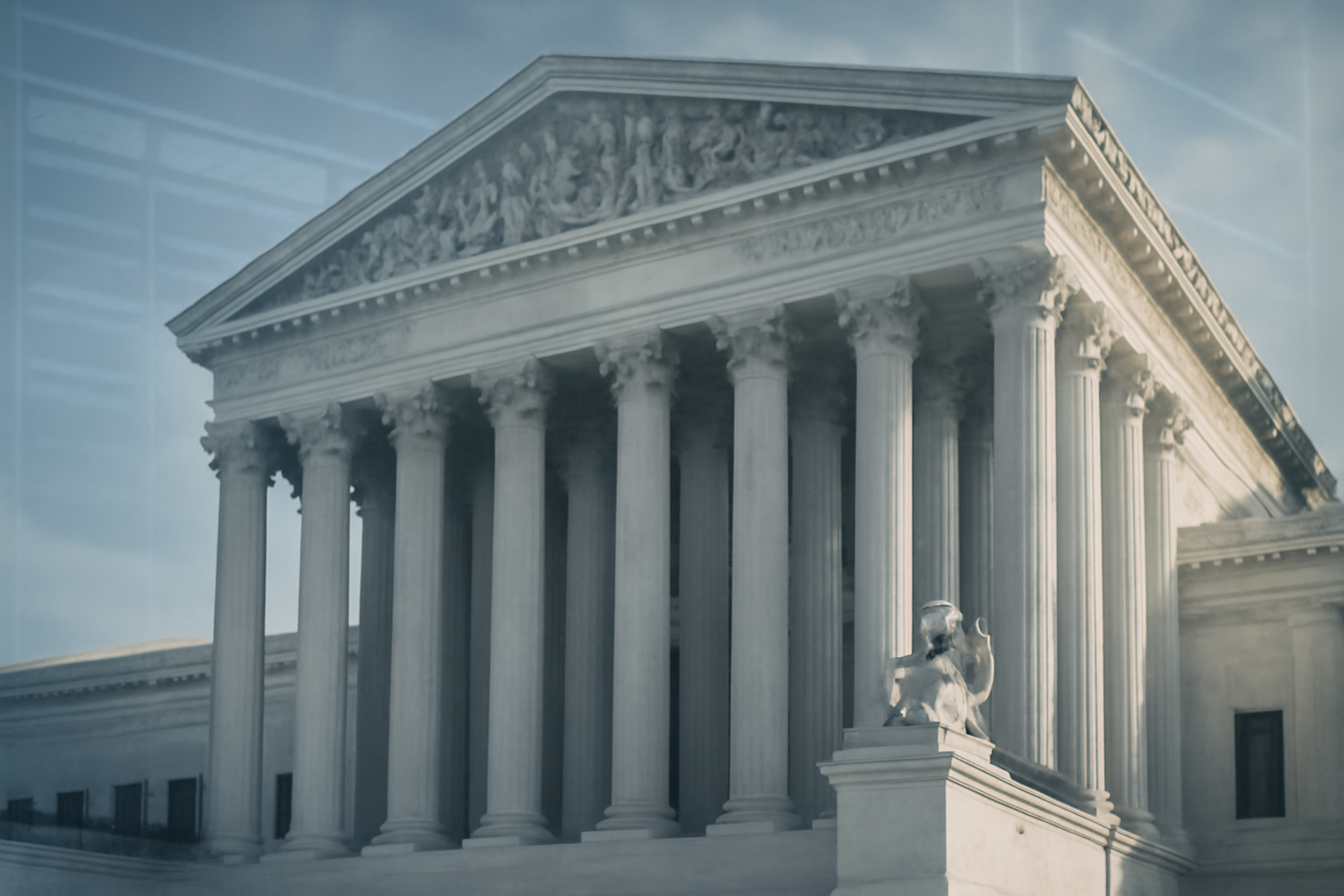
The Supreme Court has revived the Department of Homeland Security's use of an immigration database to screen state voter rolls for noncitizens, reversing a lower court's block on the practice, according to Democracy Docket. Voting-rights advocates say the database contains errors that could sweep up eligible citizens. The order lets a federal enforcement tool run again while that dispute continues in the lower courts.
What Did the Supreme Court Actually Decide?
The order does not settle whether DHS's database is accurate. It settles who gets to use it while the underlying lawsuit plays out. By lifting the lower court's block, the justices let states resume matching voter rolls against the federal database, according to Democracy Docket's reporting on the order.
The numbers on record are thin, but two are firm:
- 1 lower-court injunction lifted by the Supreme Court's order.
- 1 federal database, maintained by DHS, now back in use for voter-roll checks nationwide.
Why Did a Lower Court Block the Database in the First Place?
Democracy Docket's account frames the original block as a response to reliability concerns — a court decided the risk of wrongly flagging citizens outweighed the government's interest in running the checks. The Supreme Court's order does not endorse the database's accuracy. It simply removes the injunction that stopped its use, leaving the accuracy fight to continue below.
What Errors Do Voting Rights Advocates Say the Database Contains?
Advocates quoted in Democracy Docket's reporting argue the database is flawed and could misidentify citizens as noncitizens, putting them at risk of removal from voter rolls they are legally entitled to be on. That is the core of the objection: not that DHS lacks authority to check citizenship, but that this particular tool gets it wrong often enough to matter.
Does This Ruling Fit the Federal Government's Legal Authority?
States run their own elections, but they do not operate in a vacuum from federal recordkeeping. Quote Conservative's federalism explainer lays out the basic split: states administer elections, while federal agencies hold records — like immigration status — that states cannot generate on their own. That split is exactly what makes this database attractive to state election officials and exactly what makes advocates nervous when the underlying federal data is contested.
The argument for DHS's side is straightforward: states asked for a federal tool to verify citizenship, and a single lower court should not be able to shut that tool down nationwide while litigation is pending. The argument against it is just as straightforward: if the tool is unreliable, letting it run while the fight continues means real citizens could be flagged in the meantime, and getting removed from a roll is not easily undone before an election.
What Happens to State Voter Rolls Now?
States that want to use the database can do so again, pending further proceedings on the merits. Nothing in the order requires any state to purge anyone immediately — it removes a legal barrier to checking, not a mandate to act. Separately, HTT News has reported that election fraud cases are rising amid broader integrity concerns, the backdrop against which state officials are weighing whether and how fast to run these checks.
What Do Terms Like "Shadow Docket" and "Voter Roll Purge" Mean?
Shadow docket: emergency Supreme Court orders issued without full briefing or oral argument, often resolving only whether a lower ruling stays in effect while a case proceeds — not the underlying legal question.
Voter roll purge: the removal of names from a jurisdiction's list of registered voters, typically for reasons like death, relocation, or ineligibility such as noncitizen status.
Lower court injunction: a court order that blocks a party — here, DHS — from taking an action until a legal dispute over that action is resolved.
The fight over accuracy is not over. The Supreme Court's order only changes who can act while the courts keep arguing about whether the database itself can be trusted.
Quotags is A quote-card app first shipped in 2013. Version 2.0 is returning soon — do not install an old binary.
Questions
Did the Supreme Court rule that DHS's immigration database is accurate?
No. The order lifted a lower court's block on DHS using the database, but it did not resolve the underlying dispute over the database's accuracy, according to Democracy Docket.
Can states immediately remove voters using this database?
The ruling removes the legal block on states checking voter rolls against the database; it does not require any state to remove voters immediately.