politics
North Carolina Welcomes Supreme Court Voter Citizenship Ruling
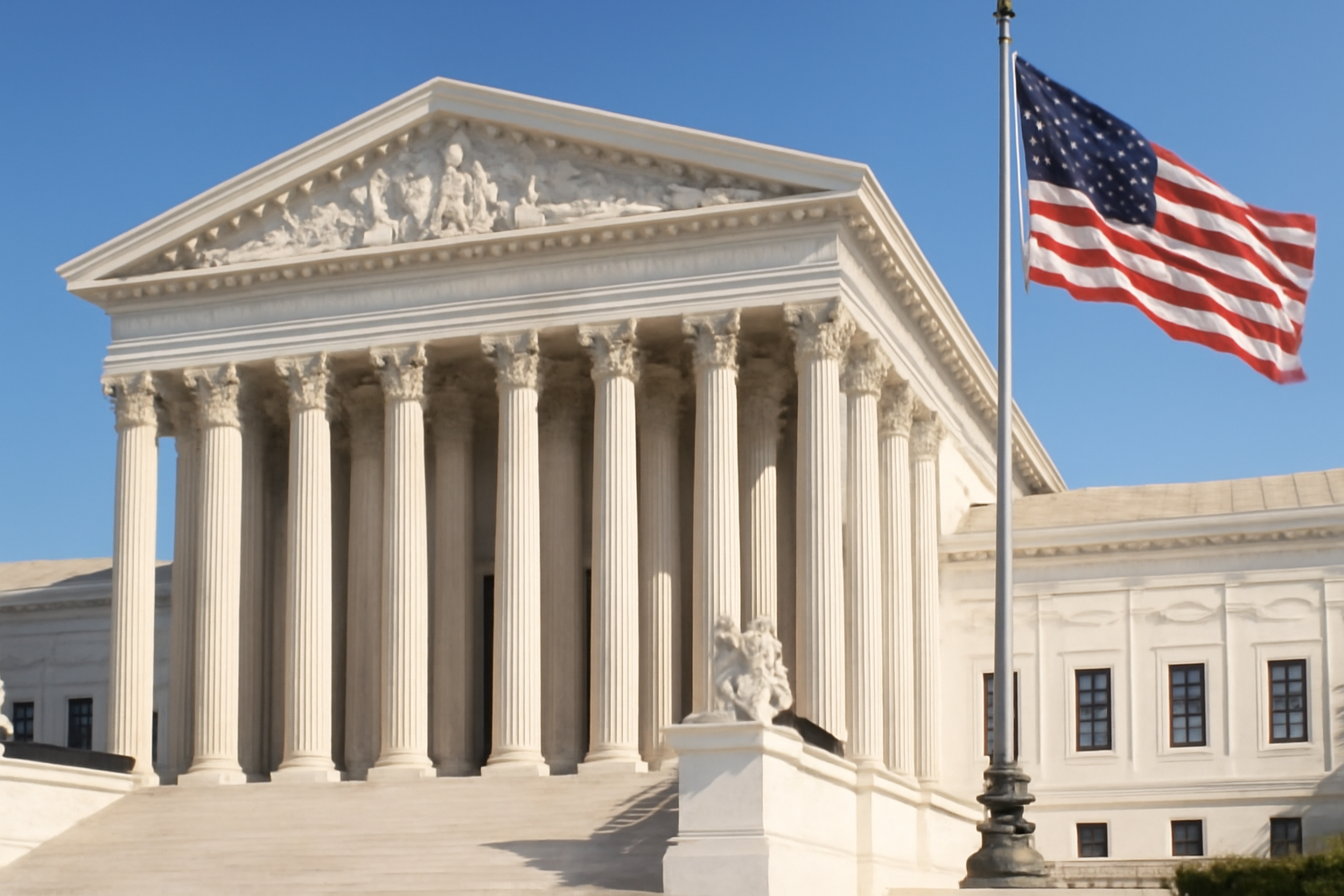
Commentary from the Quote Conservative editorial desk.
North Carolina officials are cheering a U.S. Supreme Court ruling that allows states to require proof of citizenship when residents register to vote, according to a report from Carolina Journal. The outlet framed the decision, headlined "NC welcomes Supreme Court ruling on voter citizenship checks," as validation for state leaders who have pushed citizenship verification as a baseline safeguard.
What did the Supreme Court decide?
The ruling, as reported, permits states to run proof-of-citizenship checks as part of voter registration — a practice that has drawn litigation in multiple states over whether it conflicts with federal registration law. Carolina Journal's coverage does not detail the vote count or the full text of the opinion, and this piece does not speculate beyond what the outlet reported. Readers who want the underlying document can review it directly through the Google News link that Carolina Journal's report is built on.
How are North Carolina officials responding?
Carolina Journal's own headline does the framing work here:
"NC welcomes Supreme Court ruling on voter citizenship checks"
That is a notable posture for a state that has been a repeated battleground over voter rolls and registration rules. The outlet reports state leaders describing the decision as a win for election integrity — language that tracks with years of Republican-led efforts in Raleigh to tighten registration verification.
Why does citizenship verification keep coming up nationally?
This ruling lands inside a broader, ongoing argument about how aggressively states should police voter eligibility. HTT News has tracked that argument in its own reporting on rising election fraud cases amid integrity concerns, part of a pattern of state and federal litigation over registration standards that shows no sign of settling.
What does the federalism argument look like here?
The deeper fight is about who gets to write the rules for elections in the first place — states or Washington. That question is the subject of a companion explainer, Understanding Federalism: A Concise Guide, which lays out the constitutional division of authority that state officials are invoking when they argue citizenship checks belong to them, not to federal statute.
What happens next for voters and other states?
Carolina Journal's report signals North Carolina intends to treat this ruling as cover to move forward, but the piece does not specify a timeline for implementation or say whether litigation is expected to continue. Election administration fights elsewhere — including a Wisconsin case over a judge's law license tied to an immigration enforcement dispute, covered separately by Quote Conservative — show how quickly election-adjacent legal questions escalate. Whether other states follow North Carolina's lead will likely depend on how lower courts apply this ruling in the months ahead.
Questions
What did North Carolina officials say about the Supreme Court ruling?
Carolina Journal reported that state leaders welcomed the ruling and framed it as a win for election integrity, according to the outlet's headline and reporting.
Does the ruling require proof of citizenship for all voter registration?
The available reporting says the Supreme Court ruling allows states to require proof of citizenship for voter registration; further details of the opinion were not specified in the source report.