business
ROSS Asks Supreme Court to Review 3rd Circuit's Thomson Reuters Ruling
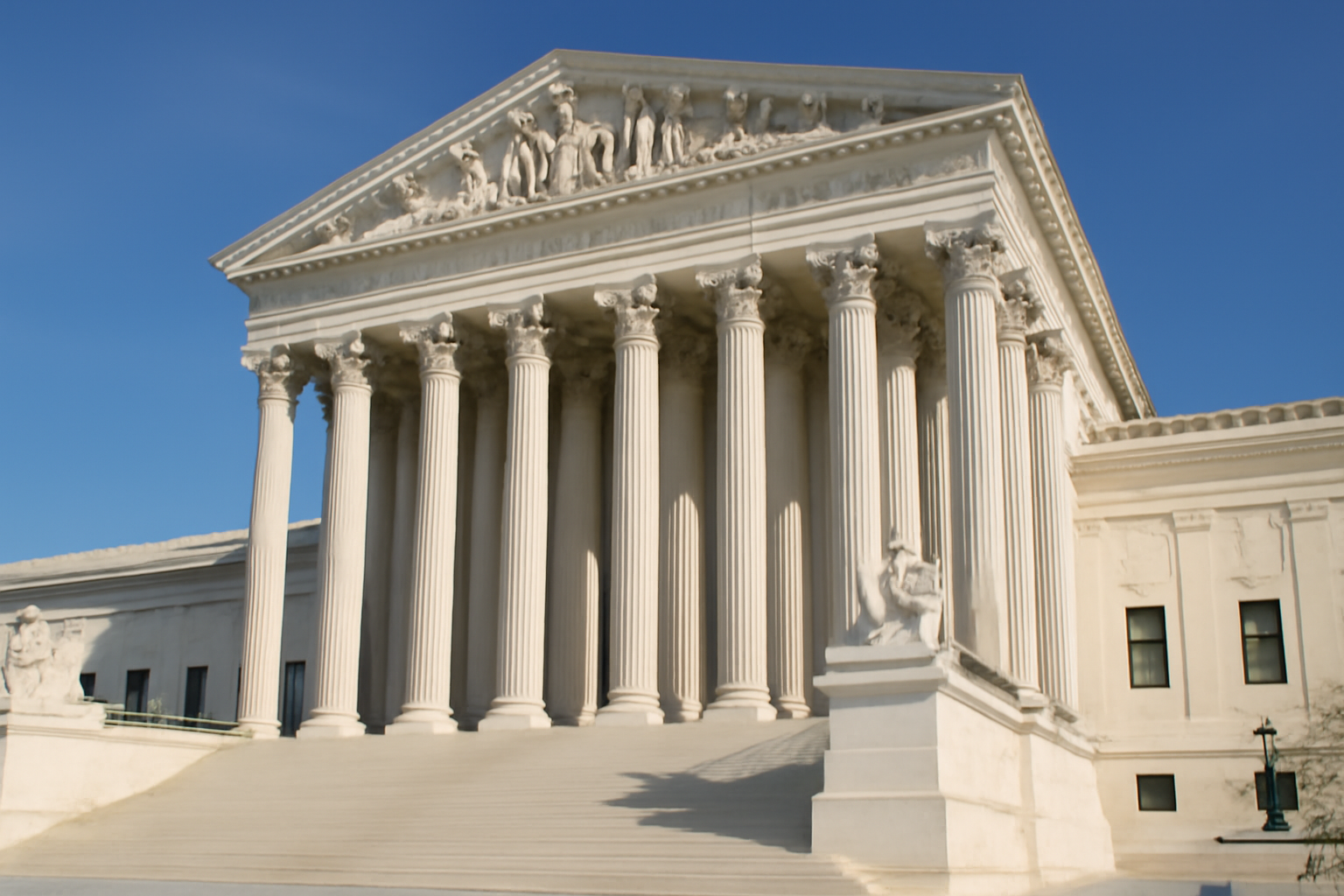
ROSS Intelligence says it intends to ask the U.S. Supreme Court to take up its copyright fight with Thomson Reuters, after the Third Circuit ruled against the defunct legal-research startup, according to a report from LawSites. The company's stated plan to seek certiorari would extend a case that has become a reference point for how courts treat copyrighted material used to train artificial-intelligence systems.
What did ROSS actually lose at the Third Circuit?
The underlying dispute pits Thomson Reuters, the owner of the Westlaw legal-research platform, against ROSS Intelligence, a now-shuttered legal AI company that built a competing search tool. The Third Circuit's ruling, now headed for a possible cert petition, sided with Thomson Reuters, per LawSites' report. ROSS has not hidden its next move: the company says it will ask the nation's highest court to review that outcome.
That is a steep climb. The Supreme Court grants review in a small fraction of the thousands of petitions filed each term, and it typically reserves space on its docket for cases presenting a circuit split or a question of recurring national importance. ROSS's bet is that the copyright-and-AI-training question qualifies on both counts.
Why does a case about Westlaw headnotes matter to the broader AI industry?
The fight is not really about two legal-research companies. It is about whether copyrighted content — in this instance, material tied to Thomson Reuters' Westlaw product — can be used to train a competing AI tool without running afoul of copyright law, and under what circumstances a fair-use defense survives. Every company currently training large language models on scraped or licensed text has a direct stake in how appellate courts answer that question, because the legal theories at issue in Thomson Reuters v. ROSS Intelligence track almost exactly the theories now being litigated against OpenAI, Meta, Anthropic, and other AI developers in separate suits around the country.
A Third Circuit precedent that limits fair-use protection for AI training inputs gives publishers and content owners a template to point to in parallel cases. A reversal — or a narrower reading from the Supreme Court — would cut the other way. That is why ROSS's petition, however long the odds of it being granted, will draw attention well beyond the two parties named in the caption.
What are the realistic odds the justices take the case?
Certiorari petitions succeed when the losing party can show either a split among the circuits or a legal question the Court has not yet resolved. The Supreme Court has not issued a definitive ruling on how fair use applies to AI training data, which gives ROSS an argument for urgency. Whether a single Third Circuit panel decision, without a competing ruling from another circuit, is enough to clear the Court's bar is a separate question — one that will be decided in the petition stage before any argument on the merits.
What happens procedurally between now and a Supreme Court decision?
ROSS has to file the petition, Thomson Reuters will have the opportunity to respond, and the Court will then decide, typically within weeks to a few months, whether to grant or deny review. A denial ends the case in Thomson Reuters' favor at the Third Circuit. A grant would put the dispute on a briefing and argument calendar that normally runs the better part of a year.
What to watch next
- Whether ROSS actually files the cert petition, and on what timeline, following its statement to LawSites.
- Whether Thomson Reuters' response frames the Third Circuit ruling as narrow and fact-specific, or whether ROSS frames it as a broad precedent on AI training.
- Whether other AI copyright litigants file amicus briefs once a petition is docketed, signaling how much the industry believes is riding on the outcome.
- Whether the Supreme Court acts on the petition within its normal conference schedule or holds it pending other copyright-related filings.
Does this affect other pending AI copyright lawsuits?
Not directly — a Supreme Court denial or grant in this case has no automatic binding effect on cases pending in other circuits. But practically, lawyers on both sides of the AI-training copyright fights nationwide will read whatever the Court does, or declines to do, as a signal of how receptive the justices are to taking up the fair-use-and-AI question at all. For an industry still waiting on settled law, even a denial carries information.
The originating report on ROSS's plans is available via Google News, citing LawSites.
Questions
What is the Thomson Reuters v. ROSS Intelligence case about?
It centers on whether ROSS Intelligence's use of material tied to Thomson Reuters' Westlaw platform to build a competing legal-research AI tool infringed copyright, with the Third Circuit ruling in Thomson Reuters' favor, according to LawSites.
What happens next after ROSS says it will seek Supreme Court review?
ROSS must file a certiorari petition, Thomson Reuters can respond, and the Supreme Court then decides whether to grant or deny review, a process that typically takes weeks to months before any decision on whether to hear the case.