politics
Supreme Court Rules on Mail Ballots, Maps and SAVE Database
Opinion
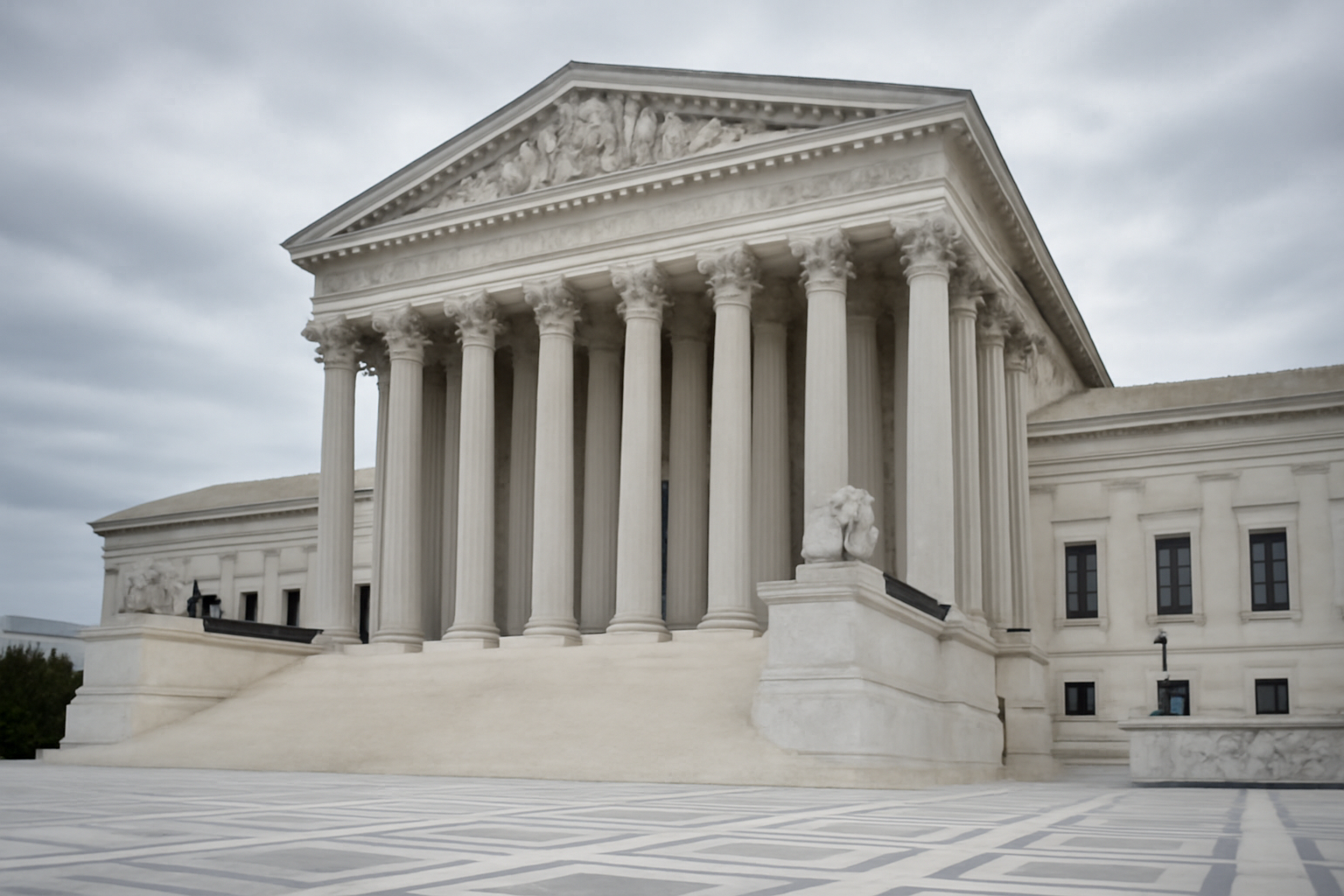
The Supreme Court has ruled on three separate election-administration disputes this term — mail ballots, congressional district maps, and the federal SAVE database used to check voter eligibility — according to a report carried by Google News citing the Council on Foreign Relations. The fact that all three questions landed at the Court in the same stretch says something on its own: more of how American elections are run is now settled in Washington rather than in the fifty state capitols the Constitution assigned that job to.
What Three Election Disputes Did the Court Take Up?
The cited report groups the rulings under three headings — mail ballots, congressional maps, and SAVE — without detailing each holding in the public summary available. That the Court is handling all three in one term matters more to the public argument than the fine print of any single opinion, because each issue touches a different lever of who gets to vote, how districts are drawn, and who gets checked against federal records before a ballot counts.
Mail ballots, congressional maps, and the SAVE database — three different election mechanics, one Court, one term.
Why Does the SAVE Database Matter for Voter Rolls?
SAVE exists to let states cross-check voter eligibility against federal records. Its relevance to this term's docket lands against a backdrop HTT News has already flagged: a separate report finding that U.S. election fraud cases are rising amid integrity concerns. Whatever the Court decided about SAVE's use, the dispute did not arrive in a vacuum — it arrived while litigation over ballot integrity was already climbing.
Why Do Congressional Map Fights Keep Landing in Federal Court?
Redistricting cases return to the Supreme Court almost every cycle because map-drawing sits at the intersection of state legislative power and federal voting-rights law. That tension is structural, not partisan — whichever party controls a statehouse draws lines the other side will challenge, and federal courts are the only forum built to referee the result.
What Does This Mean for State Control of Elections?
The Constitution's Elections Clause gives state legislatures the first word on how federal elections are run, subject to Congress's power to override. A concise federalism explainer lays out why that division of labor exists at all: it is supposed to keep election administration close to the voters it governs. When mail ballots, maps, and eligibility databases all get resolved by nine justices in Washington instead of state legislatures and secretaries of state, the practical effect is a shift of authority upward — regardless of how any single case comes out.
Where Does This Leave Mail Ballot Rules Ahead of the Midterms?
The cited report does not spell out the Court's specific mail-ballot holding, and this piece will not guess at one. What is clear is the pattern: three distinct fights over election mechanics converging on the same docket in the same term is itself the story voters should watch, because it previews how much litigation — not legislation — will shape the rules heading into the next federal election.