politics
SCOTUSblog Asks If 'Most Ideological Justice' Is Even Real
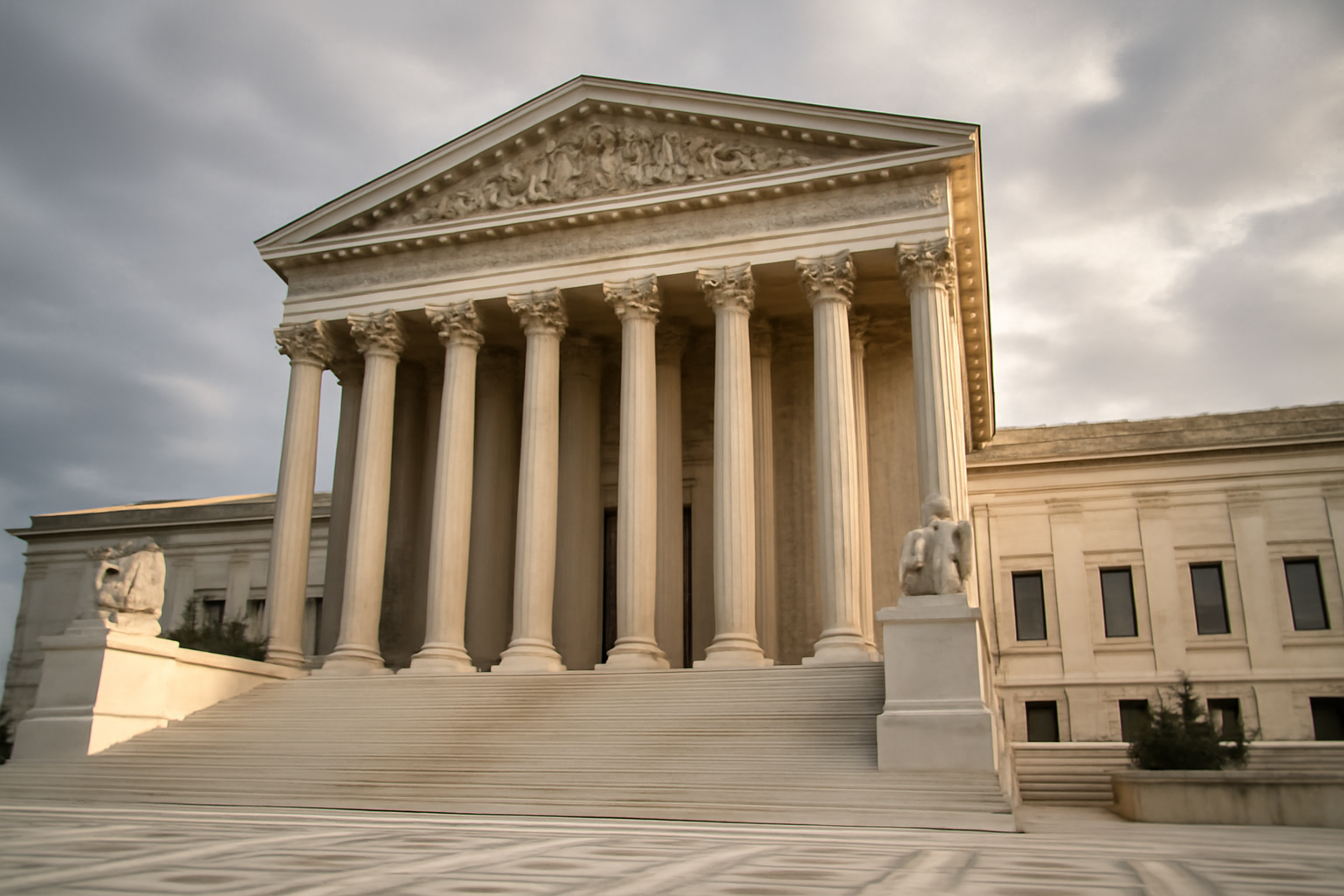
SCOTUSblog posed a question this week that sounds simple and is not: which Supreme Court justice is the most "ideological," and does the word even mean anything when applied to judges, according to SCOTUSblog's analysis. The outlet's own headline frames the inquiry as double-edged: naming a winner, and then asking whether the exercise is coherent at all.
What Question Is SCOTUSblog Actually Asking?
The headline itself does the work: "Who is the Supreme Court's most 'ideological' justice? And does that question even make sense?" That second sentence is the real story. SCOTUSblog is not simply ranking justices on a left-right scale; it is interrogating whether "ideological" is a usable legal category or a political label dressed up as analysis. That framing matters because the word gets thrown at the Court from every direction — by critics of rulings they dislike and by defenders of rulings they favor — often without agreement on what the term is supposed to measure.
Does 'Ideological' Mean Political Or Philosophical?
There are at least two different things people mean when they call a justice ideological. One is outcome-based: does the justice's vote line up with the political preferences of the party that appointed them. The other is method-based: does the justice apply a consistent interpretive theory — originalism, textualism, living constitutionalism — regardless of who benefits. Those two definitions can produce opposite answers for the same justice in the same case. A ruling that strikes down a federal rule on structural grounds can look "conservative" by outcome and simultaneously look like a neutral application of enumerated-powers doctrine by method. SCOTUSblog's question forces a reader to pick which definition is doing the work before assigning any label at all.
How Do the Dugan Case and Federalism Debates Complicate the Label?
HTT's own coverage this fall illustrates the trap. When the Wisconsin Supreme Court held off on suspending Hannah Dugan's law license, observers on both sides read the decision through a political lens even though the court's own stated basis was procedural. The same week, HTT published an explainer on federalism precisely because disputes over which level of government gets to decide something keep getting mislabeled as left-right fights when they are often structural fights about who holds the power, not what they do with it. If a state supreme court's procedural caution can be called "ideological" by critics on either flank, the word has stopped describing anything specific.
Timeline: A Fall of Judicial-Label Fights
Sept. 17, 2026 — Wisconsin's Supreme Court declines to suspend Hannah Dugan's law license pending further proceedings, a move read differently by different observers.
Sept. 17, 2026 — HTT publishes its federalism explainer the same day, underscoring how often "ideological" gets substituted for "structural" in coverage of state-federal disputes.
Oct. 4, 2026 — The D.C. Circuit issues a ruling on the particulate-matter standard, prompting a response from the American Iron and Steel Institute.
This week — SCOTUSblog publishes its essay asking whether "most ideological justice" is a meaningful question at all.
Does the D.C. Circuit's Particulate-Matter Ruling Test the Label Too?
The same ambiguity shows up below the Supreme Court. The D.C. Circuit's ruling on the particulate-matter standard drew a formal response from the American Iron and Steel Institute, an industry group with an obvious stake in how aggressively the rule is enforced. A ruling that tightens or loosens a pollution standard will always be cheered by one side and criticized by the other — but that reaction says more about who the ruling affects than about whether the judges who wrote it were applying a consistent legal method or chasing a political result. Treating every contested environmental or administrative ruling as proof of a court's "ideology" skips the harder question of what rule the court actually applied.
Why the Question Might Matter More Than Any Answer
SCOTUSblog's willingness to ask whether its own premise makes sense is unusual for Court coverage, which usually defaults to scoreboard framing. The more useful exercise, going forward, is separating the two meanings of "ideological" before applying the word to any justice, any state court, or any circuit panel. A justice who is consistent in method but produces politically lopsided outcomes is a different phenomenon from one who bends method to reach a preferred result. Readers trying to make sense of the Dugan case, the federalism debate, or the particulate-matter ruling should ask which kind of consistency — or inconsistency — they are actually looking at before reaching for the label.
mindfulAI Keyboard — An iPhone keyboard that rewrites a draft in a tone you pick. Four free AI actions a day.
Questions
What question did SCOTUSblog actually pose about the justices?
SCOTUSblog's headline asks who the Supreme Court's most 'ideological' justice is, and then asks whether that question itself makes sense as a way of describing judges.
Why is 'ideological' a contested word to apply to judges?
The term can mean either that a justice's votes track a political party's preferences, or that a justice applies a consistent legal method regardless of outcome — two different standards that can point to different conclusions about the same ruling.