politics
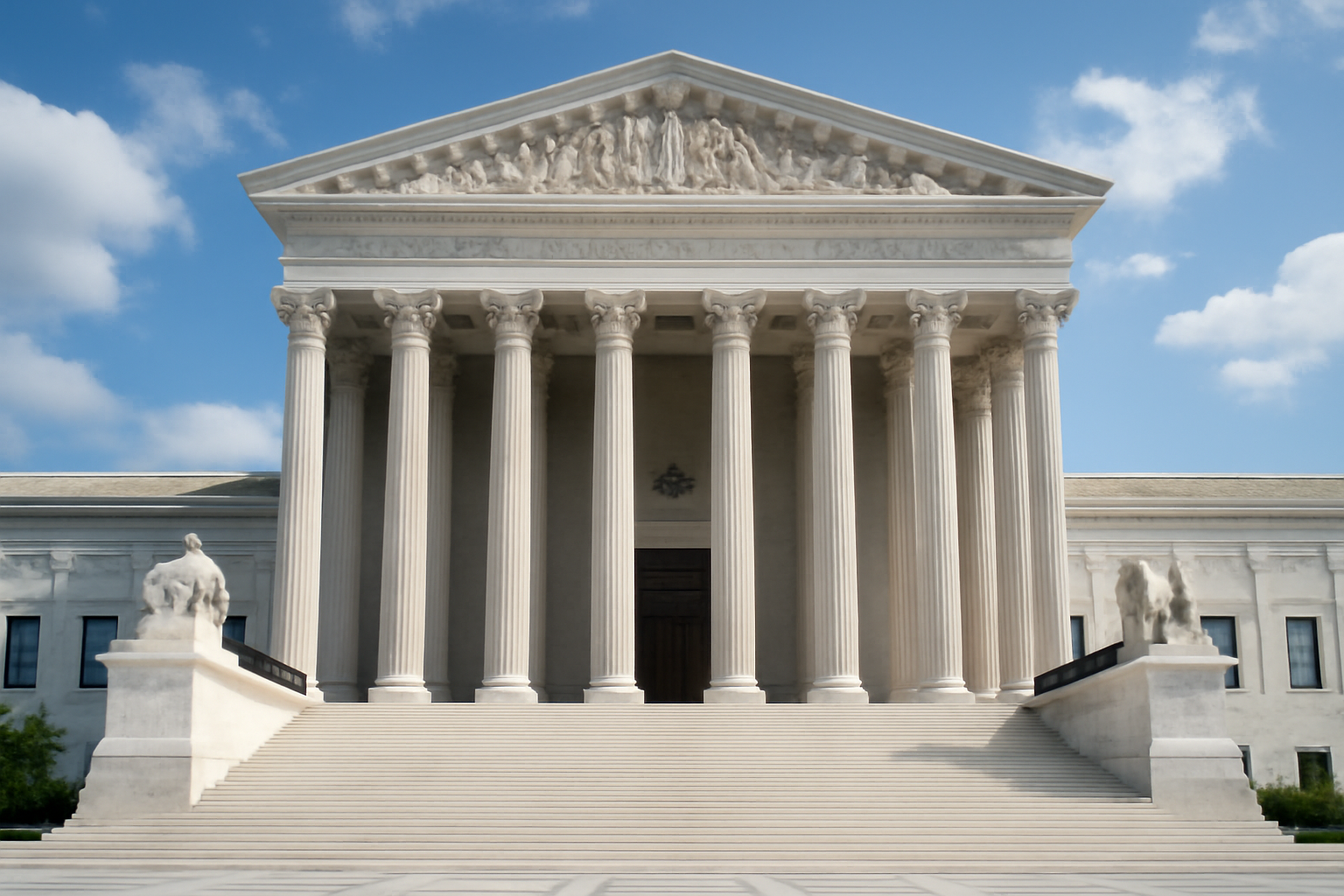
Supreme Court Opens New Term Amid Mounting Controversy
Opinion
The Supreme Court's new term arrives with a docket NPR describes as "jam-packed with controversy," a framing that says as much about the country's political temperature as it does about the cases themselves (NPR via Google News). When the country's public broadcaster frames an entire term around conflict rather than law, it is fair to ask whether the fault lies with the nine justices or with a political culture that routes every unresolved argument through them.
What Does NPR's Report Say About the New Term?
NPR's phrase — a term "jam-packed with controversy" — does not itemize which cases carry that weight, but the description itself is telling. Terms do not become contentious in a vacuum. They become contentious because Congress and state legislatures leave questions unresolved, and litigants know the justices will eventually have to answer them. That dynamic predates this term and will outlast it.
How Does Federalism Shape the Court's Caseload?
Much of what lands before the Court traces back to a basic constitutional design: power divided between federal and state governments, with federal courts acting as referee when the two collide. A companion piece from this outlet, "Understanding Federalism: A Concise Guide," lays out the structure plainly — states retain authority the Constitution does not delegate to Washington, and the Supreme Court exists partly to adjudicate where that line falls. A term touching administrative power, immigration enforcement, or state regulatory authority is, underneath the headlines, a federalism dispute wearing different clothes.
What Does the Wisconsin Case Show About Judicial Controversy Below the Federal Level?
Controversy over judicial authority is not confined to Washington. In Madison, Wisconsin, the state supreme court held off on suspending the law license of Judge Hannah Dugan, according to this outlet's earlier reporting on the matter ("Wisconsin Supreme Court Holds Off on Suspending Hannah Dugan's Law License"). The episode shows a pattern that extends to the federal bench: courts asked to police the conduct of other judges, under public scrutiny, with no exit that satisfies every side.
What Should Readers Watch For?
Readers tracking the new term should follow the certiorari grants as they are docketed and read the opinions directly rather than relying on secondhand characterizations. NPR's description — "jam-packed with controversy" — is a forecast, not a verdict; the justices have not yet ruled on the matters that will define the term.
A Short Glossary
- Certiorari: the formal petition asking the Supreme Court to review a lower court's decision.
- Federalism: the constitutional division of power between the national government and the states.
- Docket: the official list of cases scheduled for a court's review.
"Jam-packed with controversy" — NPR's description of the Supreme Court's new term.
Artiglio is A coming-soon iPhone chief of staff for briefings and drafts. Not on the App Store yet.
Questions
What is certiorari?
Certiorari is the formal petition a party files asking the Supreme Court to review a lower court's ruling; the Court grants it selectively.
Why do Supreme Court terms often involve federalism disputes?
Because the Constitution divides power between federal and state governments, many cases that reach the Court are ultimately disputes over where that line between Washington and the states falls.