politics
Stanford, Calif. — GSB Says Supreme Court Isn't Immune to Opinion
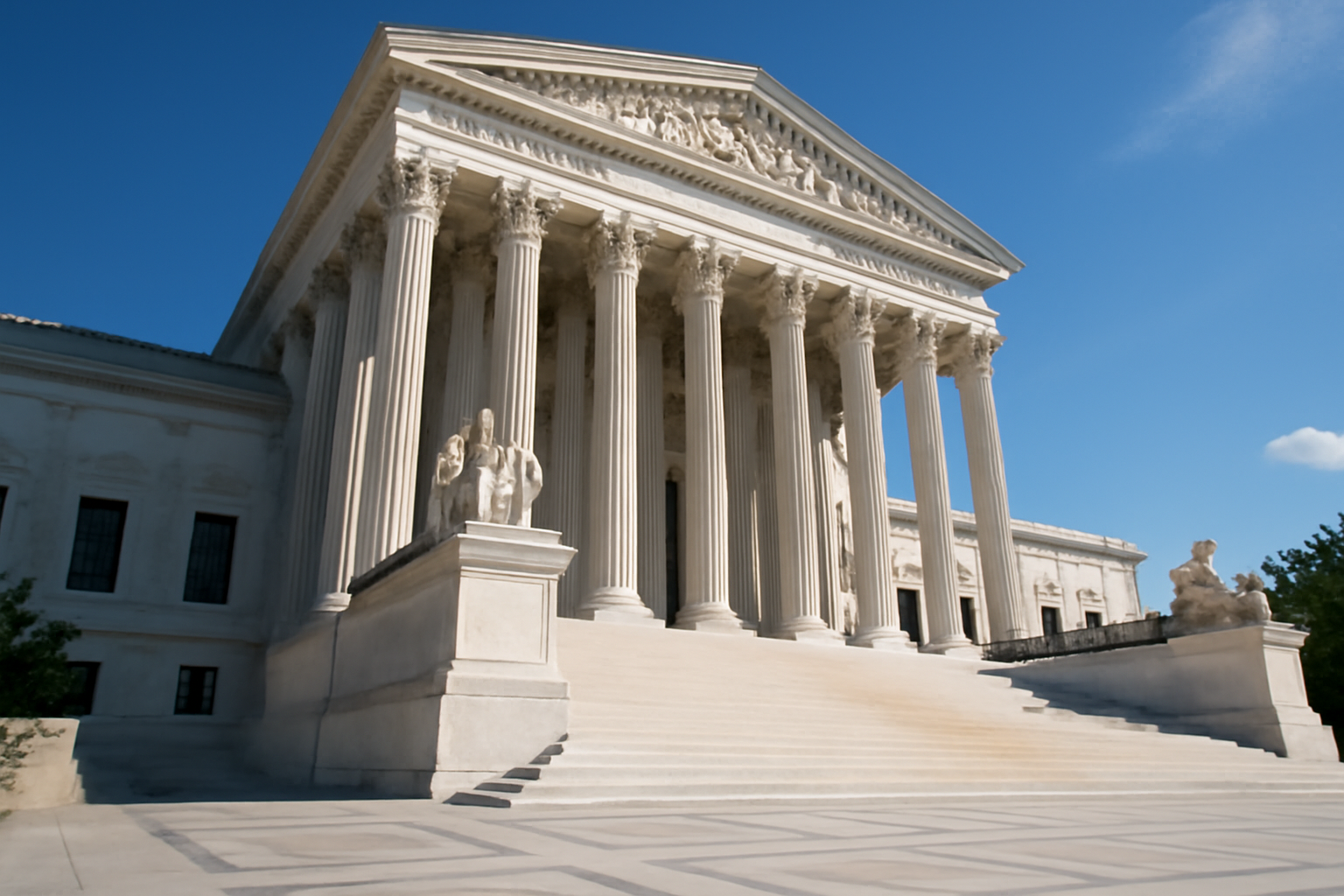
Opinion. Stanford Graduate School of Business published a piece this fall with a blunt title: "The Supreme Court Isn't Immune to Public Opinion." That's the whole claim, right in the headline: justices don't rule from some sealed room. They read the same news everyone else does, and it shows up in their rulings.
"The Supreme Court Isn't Immune to Public Opinion" — Stanford Graduate School of Business
For conservatives, that's not reassuring. It's the argument against a Supreme Court that was supposed to be the branch least moved by the crowd.
What Is the Stanford Piece Actually Arguing?
The title does the work here. Stanford's business school is making the case that the nine justices, lifetime appointments and all, still respond to the public mood around them. That cuts against the civics-class version of the court: nine people reading the Constitution in a vacuum, insulated by tenure from everything outside the building.
Why Should Conservatives Care?
The whole point of a lifetime appointment is to buy independence. Justices don't face voters. They don't run for reelection. If a Stanford business school publication is telling readers that insulation doesn't actually work the way it's supposed to, that's a direct challenge to decades of conservative legal argument that courts should interpret law, not track polling.
The flip side is also true, and it should be said plainly: if the court bends toward opinion, it can bend in either direction. A court sensitive to public pressure isn't automatically a liberal court or a conservative one — it's just a less predictable one.
How Does the Wisconsin Dugan Case Show This Dynamic?
State courts offer a closer look at the same pattern. In Madison, the Wisconsin Supreme Court held off on suspending the law license of Hannah Dugan, the judge at the center of a federal case, rather than moving immediately. That's a court choosing restraint over speed on a matter drawing national attention — exactly the kind of decision that invites the question of what's driving the timeline.
What Does Federalism Have to Do With This?
Part of why state court decisions like Wisconsin's matter is the basic structure of American government. A concise guide to federalism explains why state courts can move at a different pace, and under different pressures, than the U.S. Supreme Court. The two systems aren't the same animal, but both face the same basic question Stanford is raising: how much does the room outside the courtroom shape what happens inside it?
What Changes for Readers This Week?
Nothing changes in the law Monday morning. No ruling was issued, no case was decided. What changes is the frame. Readers watching the Supreme Court's upcoming term should ask, on every close case, whether the public pressure campaign around it is doing some of the work the legal arguments are supposed to do. Stanford's business school just put that question on the record. Conservatives who want courts bound to text, not temperature, now have one more citation for why that fight isn't finished.
mindfulAI Keyboard — An iPhone keyboard that rewrites a draft in a tone you pick. Four free AI actions a day.
Questions
What did Stanford Graduate School of Business argue about the Supreme Court?
A Stanford GSB publication titled "The Supreme Court Isn't Immune to Public Opinion" argues the justices are shaped by public sentiment despite lifetime tenure meant to insulate them.
Did the Wisconsin Supreme Court suspend Hannah Dugan's law license?
No. The Wisconsin Supreme Court held off on suspending Dugan's law license rather than acting immediately, according to Quote Conservative's September 2026 report.