politics
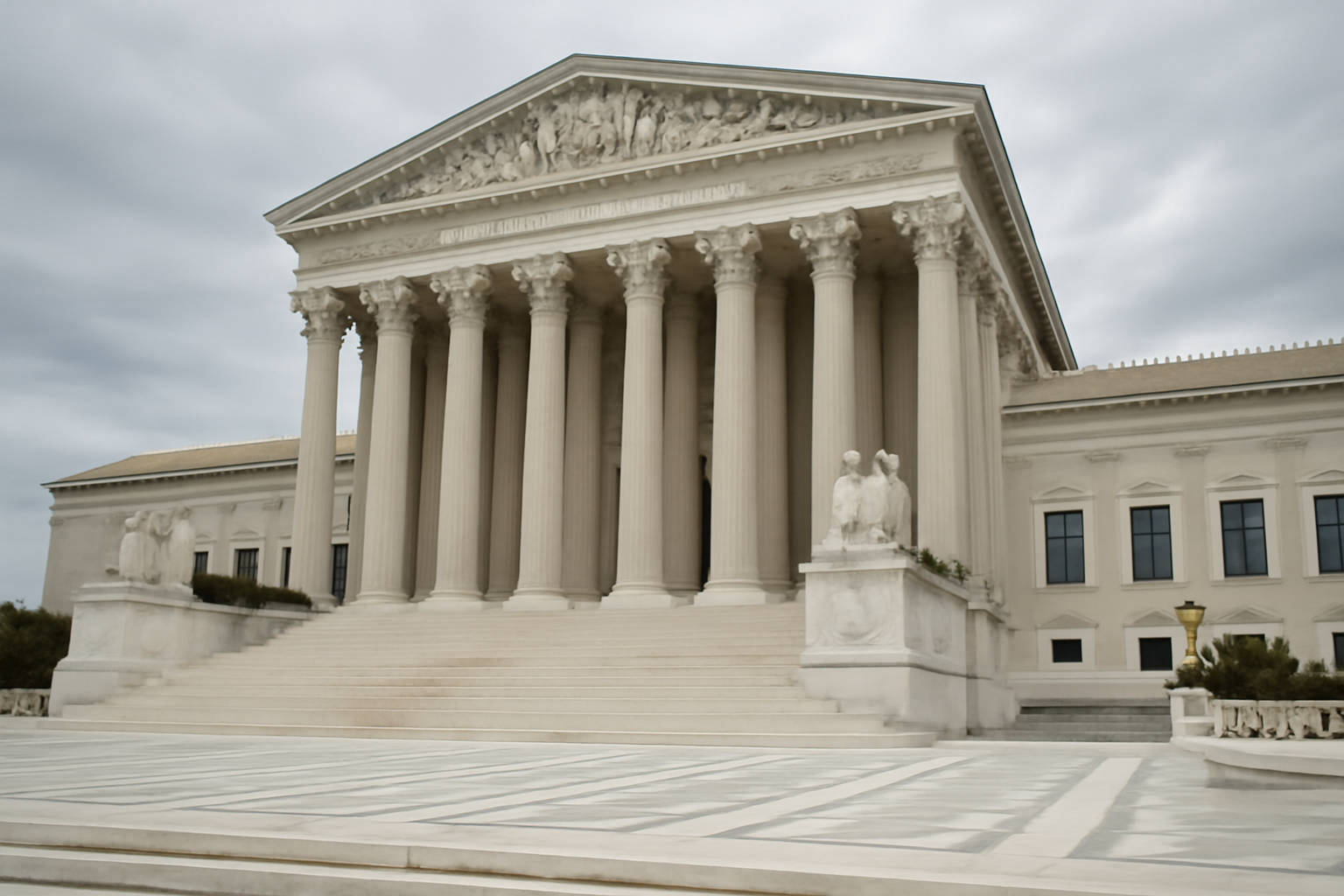
Supreme Court Adds Climate Case to Docket, Washington Post Notes
Opinion
The Washington Post's opinion section is putting the Supreme Court's new term in the headlines early, noting that the justices have taken up a case touching climate change — and, as the Post piece puts it, "much more." The outlet does not spell out every case in that initial framing, but the headline alone signals that climate policy is back in front of the nation's highest court this term.
Why does one climate case matter beyond the parties involved?
Climate litigation rarely stays contained to the two sides named on the docket. A Supreme Court climate case tends to pull in state attorneys general, federal agencies, and industry groups because the underlying question is rarely just about emissions. It is about which branch of government, and which level of government, gets to set the rules. The Post's framing — climate change "and much more" — suggests the term's stakes extend past a single regulatory fight.
Who actually decides climate policy: Congress, agencies, or courts?
That question sits underneath nearly every major environmental case the Court has agreed to hear in recent years. Agencies write rules. Congress writes statutes. States pass their own standards. When those three collide, the Court is asked to referee — not to legislate, but to say who had the authority to act in the first place. Readers should not expect the justices to issue a verdict on climate science. They will issue a verdict on process: who had the power to regulate, and whether they used it lawfully.
What does federalism have to do with a climate ruling?
Quote Conservative's own explainer on federalism lays out the basic mechanics: states and the federal government share authority, and courts routinely get pulled in when that line is disputed, according to the outlet's federalism guide. A climate case at the Supreme Court is, structurally, a federalism case wearing an environmental label. Whether the ruling expands or narrows federal agency power, the same constitutional machinery — enumerated powers, preemption, state standing — will be doing the work.
What should readers watch for as the term unfolds?
- Whether the Court frames the case around agency authority rather than emissions policy itself.
- Which states or industry groups file briefs, since that signals who sees downstream exposure.
- Whether the ruling is narrow and procedural or broad enough to reshape regulatory authority nationally.
- Follow-on coverage from the Post and other outlets once the full docket details are public.
The Post's own framing is a reminder that this term was never going to be a quiet one. A single climate case rarely travels alone at the Supreme Court. It tends to arrive with company — other disputes over who holds the pen on national policy. That is the real story worth tracking as the term moves forward, not any single outcome announced in isolation.
Questions
Did the Washington Post name the specific climate case the Supreme Court is hearing?
The cited Post opinion piece headline references a climate case and other matters without detailing the case name in the material available.
Why do climate cases at the Supreme Court often turn into federalism disputes?
Because the core legal question is usually which branch or level of government has authority to regulate, not the underlying science, according to Quote Conservative's federalism explainer.