news
Supreme Court Denies New Challenge to 1978 Indian Child Welfare Act
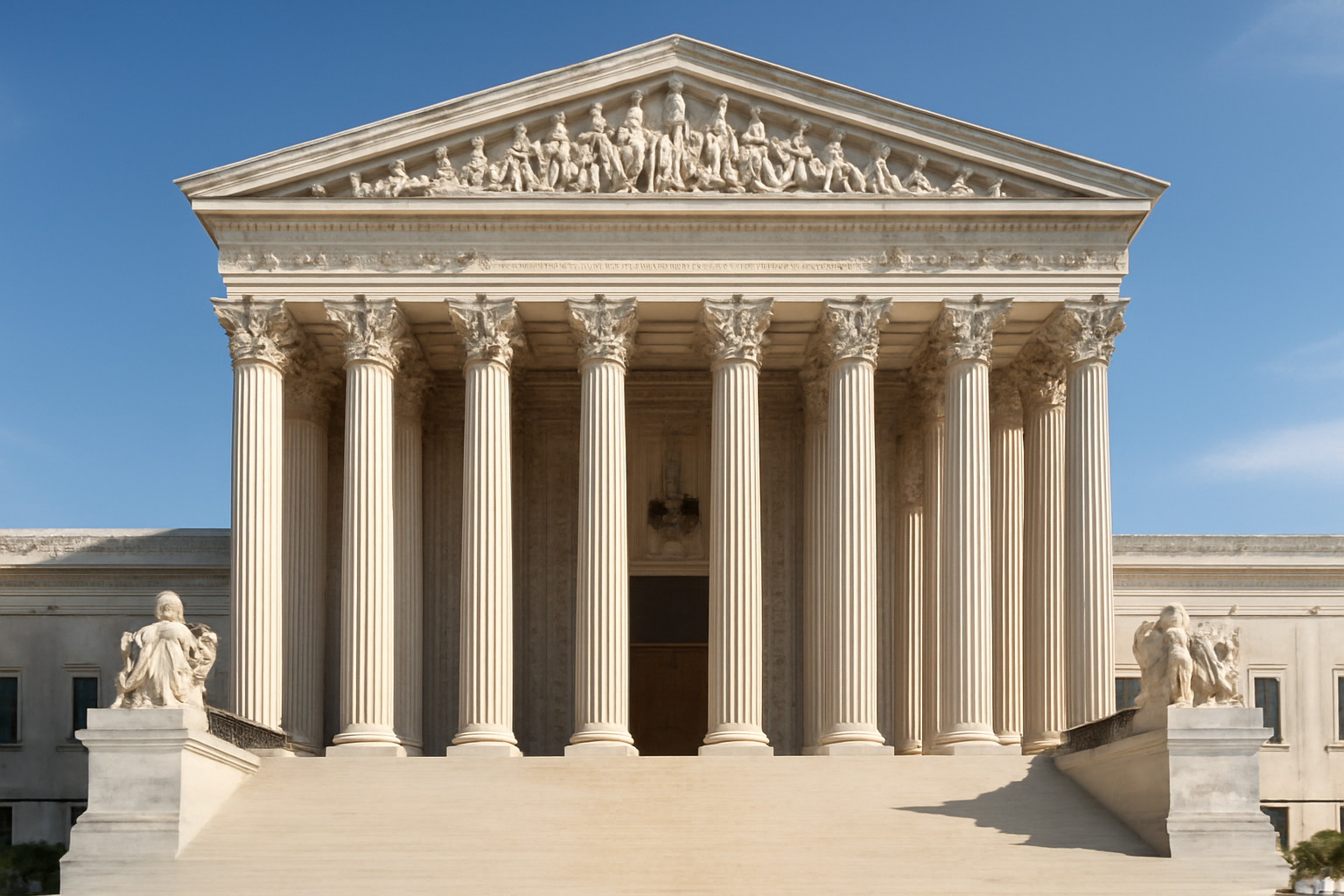
Opinion. The Supreme Court has again declined to take up a challenge to the Indian Child Welfare Act, according to reporting from The Imprint. The denial leaves the 1978 federal statute standing, at least for now, and it extends a pattern: this is the "latest" rejection of an ICWA challenge, per the outlet's own framing, meaning it is not the first time plaintiffs have asked the justices to revisit the law and been turned away.
What did the Supreme Court actually do?
Per The Imprint's reporting, the Court denied the newest bid to overturn ICWA, meaning the law's placement preferences in Native child custody and foster-care proceedings remain enforceable in the states and courts where it was already being applied. A denial of review is not an endorsement of the law's merits; it simply means the justices chose not to hear this particular case, leaving lower-court rulings intact.
What is the Indian Child Welfare Act, and why does it exist?
ICWA, enacted in 1978, sets federal standards governing the removal and foster or adoptive placement of Native American children. Congress wrote the law to respond to decades in which state agencies and private adoption systems removed Native children from their families and tribes at disproportionate rates. The law gives preference to tribal placements and requires active efforts to keep families together before removal.
Why do challengers argue ICWA is unconstitutional?
Opponents of the law have argued in past litigation that ICWA's placement preferences amount to race-based classifications that violate equal protection principles, and that the statute commandeers state agencies and courts to carry out federal child-welfare policy in violation of the Tenth Amendment. Those arguments have repeatedly failed to persuade a majority of the Court to grant review or to strike the law down, including in the Court's prior reckoning with the statute.
What do the law's defenders say?
Tribal nations and the federal government have defended ICWA as rooted in Congress's long-recognized constitutional authority over relations with Indian tribes — a power the Court has treated as political rather than racial in nature in earlier rulings on the statute. Supporters argue that without ICWA's protections, the pattern of disproportionate removal that prompted the 1978 law could recur.
What happens next for ICWA challenges?
A denial of review does not end the broader legal fight. Plaintiffs opposed to ICWA have brought successive cases in multiple circuits, and The Imprint's framing of this as the "latest" denial signals more litigation is likely. For now, state courts and agencies apply the law as written.
By the numbers
- 1978 — the year Congress enacted the Indian Child Welfare Act.
- This is reported as the latest in a series of challenges the Supreme Court has declined to take up, per The Imprint.
Glossary
- ICWA: The Indian Child Welfare Act, the 1978 federal law governing custody proceedings involving Native American children.
- Denial of certiorari: The Supreme Court's choice not to review a lower-court decision, leaving that ruling in place without ruling on the underlying merits.
For background on the federalism questions ICWA raises — specifically how far Congress can direct state courts and agencies — see Quote Conservative's explainer on federalism. Full reporting on this denial is available via The Imprint, aggregated by Google News.
mindfulAI Keyboard — An iPhone keyboard that rewrites a draft in a tone you pick. Four free AI actions a day.
Questions
What did the Supreme Court decide about the Indian Child Welfare Act?
Per The Imprint, the Court denied the latest challenge to ICWA, leaving the 1978 law in effect and declining to review the case.
What is the Indian Child Welfare Act?
ICWA is a 1978 federal law that sets standards for removal and placement of Native American children in foster care and adoption, giving preference to tribal placements.