politics
One Michigan Senate Seat Could Decide the Supreme Court's Next Era
Opinion.
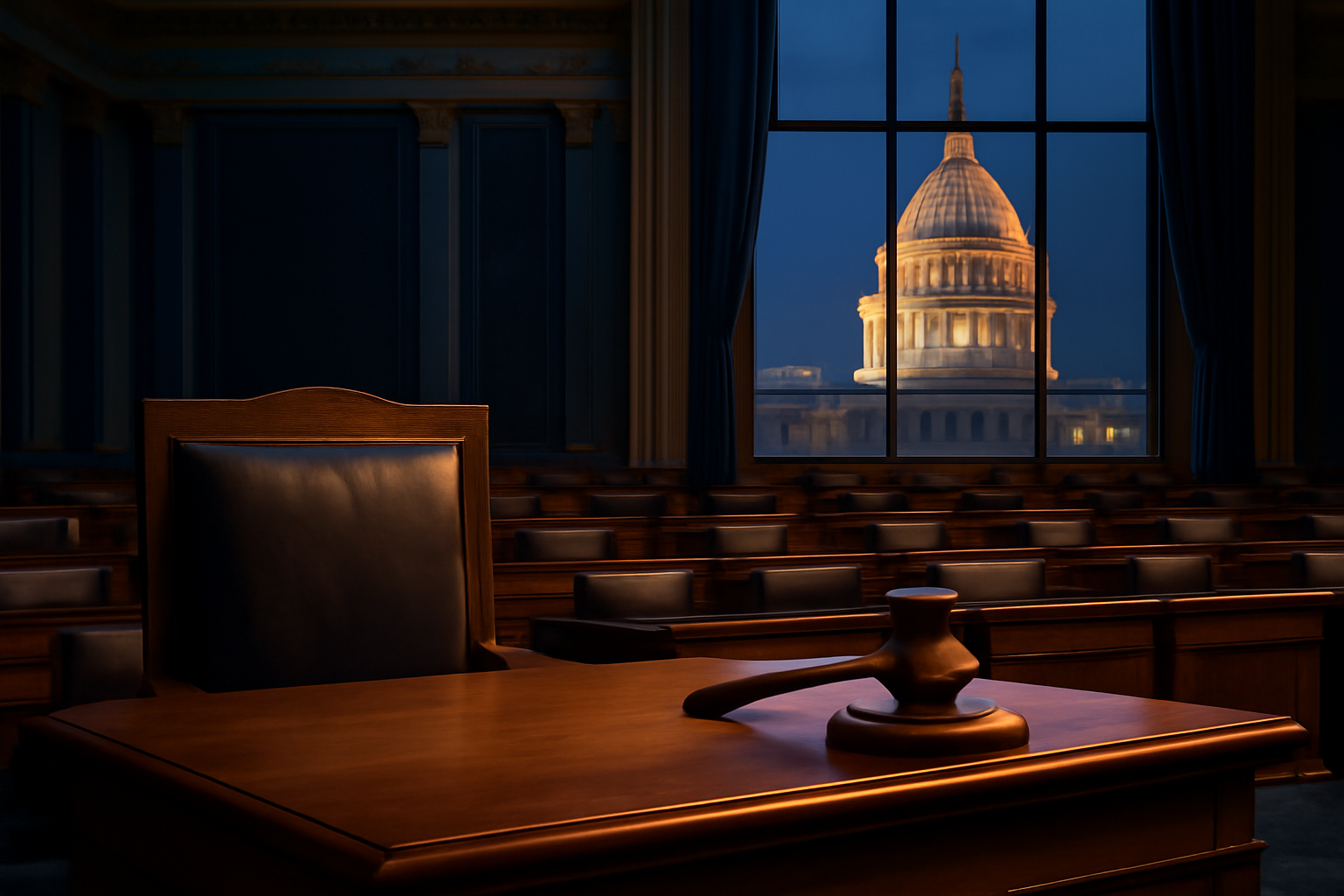
Michigan's 2026 race for an open U.S. Senate seat will help determine which party controls future Supreme Court confirmations, according to a Detroit Free Press opinion column that frames the contest less as a local race and more as a referendum on the federal judiciary's direction.
What Is the Detroit Free Press Opinion Arguing?
The column ties Michigan's open Senate seat directly to the Supreme Court's future composition. Its central claim is structural, not personality-driven: the chamber's exclusive confirmation power means a single flipped seat can change which party seats the next justice. The piece does not identify a specific nominee or vacancy — the argument stands on institutional math, not personnel, and it leaves the policy stakes for readers to weigh themselves.
Why Does One Senate Seat Matter for the Supreme Court?
The U.S. Constitution gives the Senate, not the House, sole authority to confirm or reject nominees to the Supreme Court, exercised by a vote of the full chamber. A party that holds even a narrow majority also controls the Judiciary Committee, which schedules hearings and can slow or advance a nomination. That dynamic is why a statewide Senate race, not just the presidential ticket, carries weight in judicial fights — the premise underlying the Free Press column.
How Does the Wisconsin Judicial Fight Fit the Pattern?
Michigan is not the only state where judicial authority has become a live political fight outside the courtroom. In Wisconsin, the state Supreme Court recently held off on suspending Dane County Circuit Judge Hannah Dugan's law license, leaving the underlying discipline question unresolved. Taken together with Michigan's Senate race, the case shows how questions of who controls judicial power — state or federal — remain contested nationwide, not confined to Washington.
What Does Federalism Have to Do With a Senate Race?
The tension between state and federal authority sits underneath both stories. A federalism explainer lays out why power divided between Washington and state capitals keeps resurfacing in disputes ranging from judicial discipline to local ordinances — including Jacksonville's debate over its 'Free to Garden' bill. Michigan's Senate race is simply the latest, highest-stakes arena for that same recurring question of who decides.
What Should Michigan Voters Watch For Before Election Day?
Voters weighing the Free Press's framing have three concrete things to track: how candidates answer direct questions about future judicial nominees, who would chair the Judiciary Committee if the Senate's balance shifts, and whether either campaign commits to a position on confirmation timelines. None of those answers are settled yet. What is settled, according to the column, is the stakes attached to a single Michigan seat — multiplied across the other 99 in the chamber, it is the vote that decides who sits on the nation's highest court for years to come.