politics
Williams Marks Supreme Court's New Term in Baltimore Sun Column
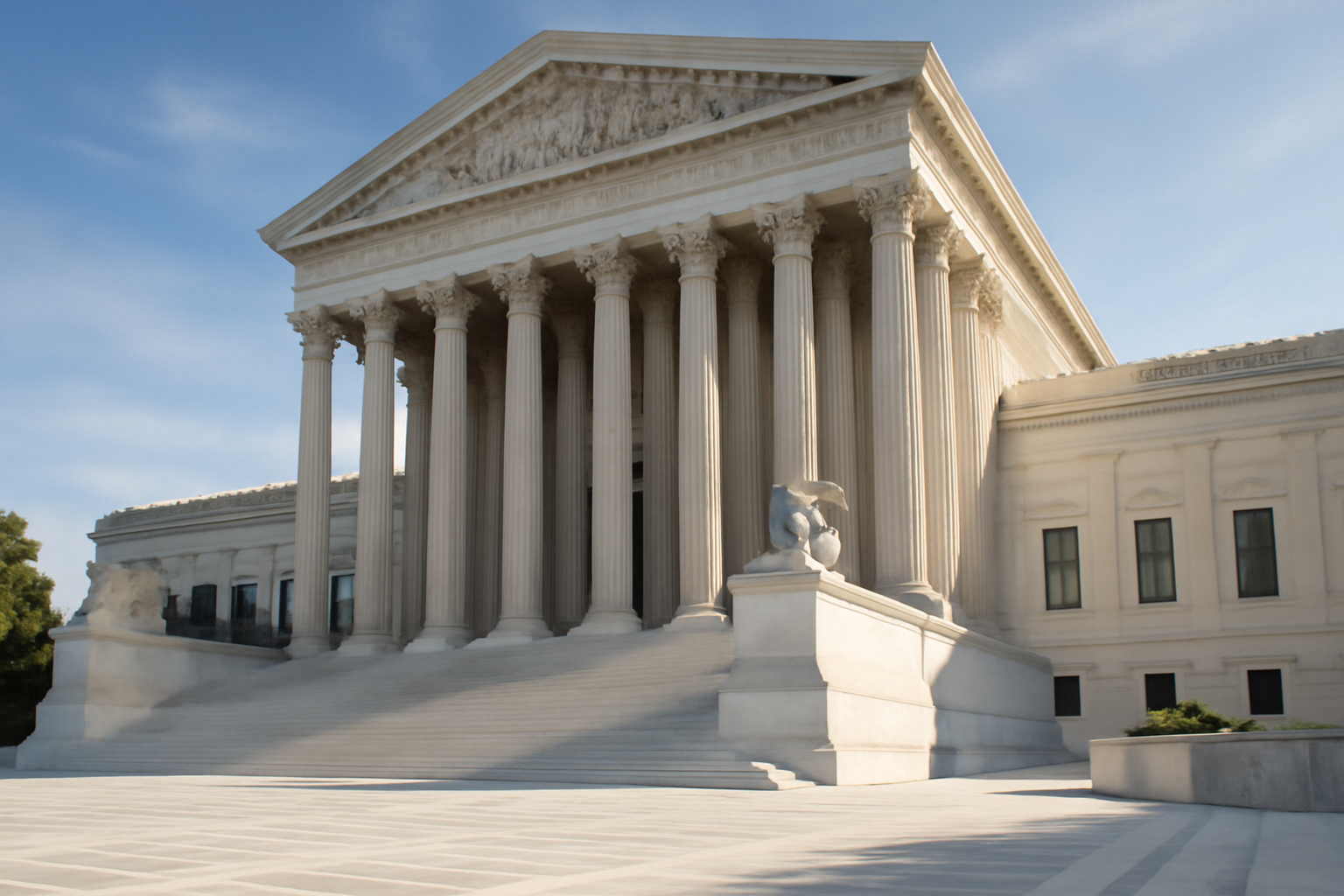
Opinion. Syndicated columnist Armstrong Williams used a Baltimore Sun staff commentary slot to note that the U.S. Supreme Court has returned to its work, a column distributed nationally through Google News under the title "The Supreme Court returns to its work." The column's framing is simple: the nine justices are back on the bench, and the public's attention should follow them there.
That premise is worth taking seriously, and worth pushing on. The Court's return each fall is not a ceremonial reset. It is the start of a term in which the justices decide which disputes between citizens and government, or between states, get a final answer. Williams's column treats that return as newsworthy in itself. This desk agrees, but argues the newsworthiness lies less in the calendar and more in what the Court chooses to touch.
What did Armstrong Williams argue in his column?
The Baltimore Sun identifies the piece as staff commentary from Williams, syndicated through Google News under the headline naming the Court's return. The original text of the column was not independently available to this desk beyond that headline and attribution, so this analysis treats the premise, not a line-by-line rebuttal of arguments not in hand. Read the originating column for Williams's full framing.
Why does the Court's return matter beyond the headline?
A Supreme Court term is a docket, not a mood. What matters is which cases the justices grant, which they decline, and which doctrines get revisited. A column titled around the Court's return to work is a reminder to readers that the institution's calendar drives real consequences for state power, federal authority, and individual rights. The argument here is that conservatives should treat the opening of a term as an occasion to watch specific cases, not as an abstract civic event.
How does this connect to the federalism debate?
Quote Conservative's own explainer on federalism lays out the basic structure the Court operates inside: a system of divided sovereignty between state and federal government, with courts as the referees when the two collide. That piece is useful background for anyone trying to read a new Supreme Court term with discipline rather than vibes. Understanding Federalism: A Concise Guide walks through that division of power without picking a partisan side, which is the right posture for readers trying to judge a term's stakes before the opinions land.
State courts matter in this same frame. The Wisconsin Supreme Court's decision to hold off on suspending Judge Hannah Dugan's law license, covered separately by this outlet, is a reminder that state judiciaries are making their own consequential calls on judicial accountability while the federal Court works through its own docket. Wisconsin Supreme Court Holds Off on Suspending Hannah Dugan's Law License shows that judicial accountability fights are not confined to Washington, and that readers tracking "the Court" should not lose sight of state benches doing parallel work.
What should readers watch for this term?
- Which cases the justices grant certiorari on in the opening weeks, and which petitions they deny without comment.
- Any emergency-docket activity, since shadow-docket rulings increasingly shape policy before full briefing is complete.
- State supreme court rulings, like Wisconsin's, that intersect with federal constitutional questions and could eventually draw the Court's attention.
- Oral argument transcripts, which remain the clearest primary-source record of where individual justices are leaning before a written opinion issues.
Does a column like this change how the Court should be covered?
Not by itself. A commentary piece noting that the Court is back at work is a prompt, not a verdict. The honest version of covering a new term is to wait for the actual grants, the actual argument transcripts, and the actual opinions, then hold every claim to the same standard: attribute the number, quote the document, name the case. Williams's column performs a service by pointing readers toward the calendar. The harder, more useful work is reading what the Court actually does with the time.
This piece is labeled opinion. It reacts to the premise of a published commentary and does not purport to summarize arguments beyond what was attributed to that commentary.