politics
Supreme Court's New Term Includes Case Called 'Cruel Practice'
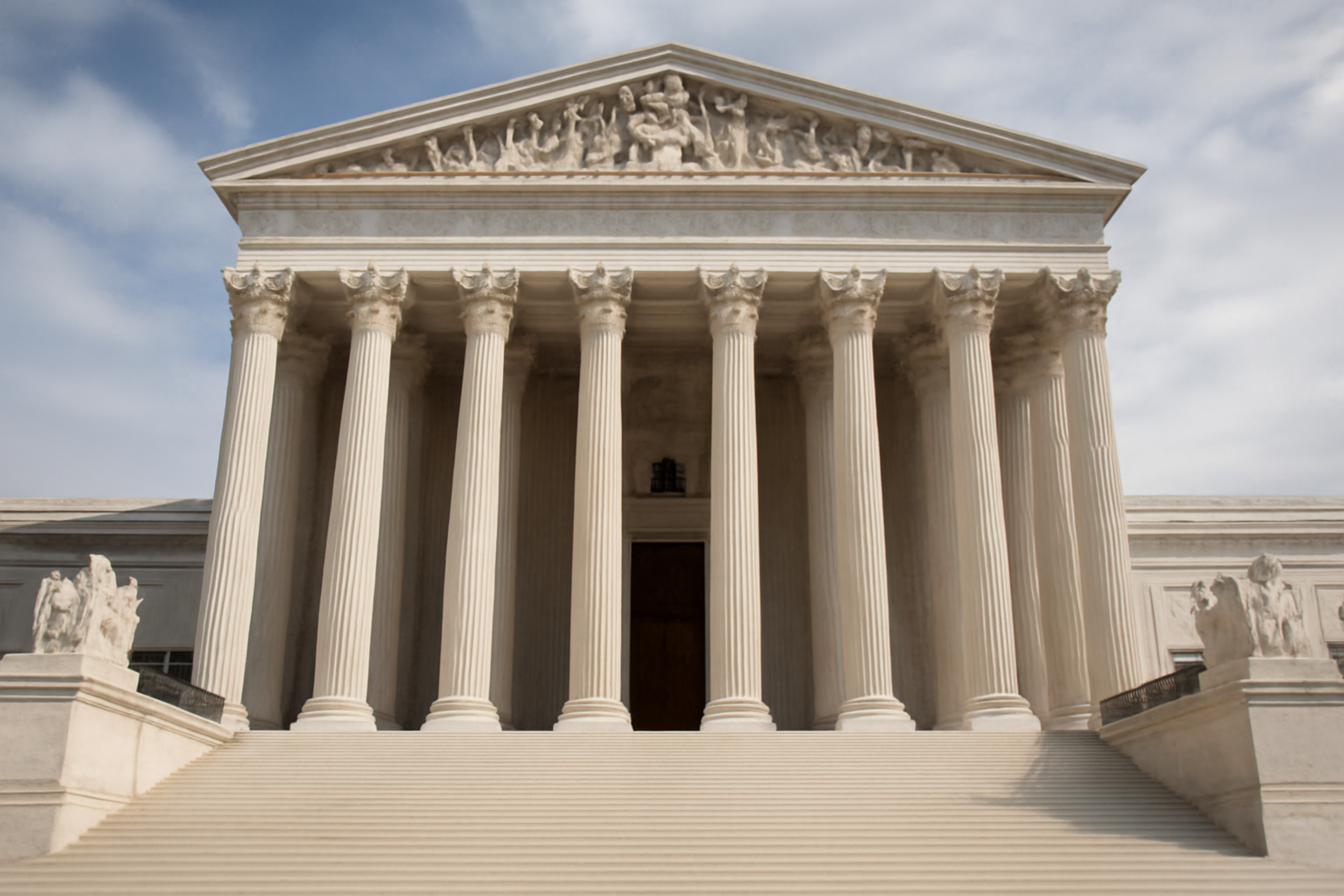
The Washington Post has published a preview of five Supreme Court cases to watch this term, and the headline on that piece does something unusual for a court report: it puts the words "cruel practice" in quotation marks. (Opinion/Commentary)
What Is The Washington Post Actually Reporting?
The Post's rundown is a term-preview piece — the kind outlets run every fall when the justices return to the bench — built around five cases the paper judges worth watching. The full list of cases, parties, and legal questions is laid out in the original report, and readers who want docket numbers and argument dates should go straight to that piece.
What Does 'Cruel Practice' Mean In This Context?
The phrase appears to be a quote the Post pulled from someone commenting on one of the five cases, used to frame the headline. That is a common editorial choice: a loaded quote drives clicks and signals which side of a dispute the paper thinks deserves attention first. It is a fair question to ask why a term preview leads with an advocate's language rather than a neutral description of the legal issue. Readers should treat the phrase as one side's characterization, not as a finding from the Court itself, until the underlying case is argued and decided.
Why Do New Supreme Court Terms Draw This Much Attention?
Each term the Court takes up cases that touch the balance of power between Washington and the states — the same federalism questions explored in Quote Conservative's guide to federalism. When a case gets branded with charged language before oral argument even happens, it is worth remembering that federal courts exist precisely to referee disputes where state and federal authority, or government power and individual rights, collide. The labeling fight is itself part of the larger argument over how much deference courts owe to the political branches.
How Does This Connect To Other Fights Over Judicial Power?
Court accountability has been a live issue well below the Supreme Court this year. In Madison, Wisconsin, the state Supreme Court held off on suspending the law license of former Milwaukee County judge Hannah Dugan, a decision Quote Conservative reported on Sept. 17, 2026. That case and the Post's federal term preview are unrelated on the facts, but both sit inside the same broader argument: who gets to decide when a judge, a practice, or a ruling has gone too far, and who gets to say so first in print.
What Should Readers Watch For Next?
The specifics of the five cases — what they are, who brought them, and when they will be argued — are not detailed in the material available to this desk, so they are not repeated here. What is clear is that the framing fight starts before the legal fight does. A headline quoting the phrase "cruel practice" tells a reader what to feel about a case before the Court has said a word. That is worth noticing whether a reader leans left, right, or neither, because the same rhetorical move gets used by every side when the stakes are high enough. The original reporting, linked above, is the place to go for the actual legal questions the justices will decide this term.
Questions
What did the Washington Post report about the Supreme Court's new term?
The Post published a preview naming five Supreme Court cases to watch this term, with one headline reference quoting the phrase 'cruel practice.' Full case details are in the original report linked in this piece.
Does this piece identify the specific case called a 'cruel practice'?
No. The phrase comes from the Washington Post's headline, and the source material provided did not include which case or party it refers to; readers should consult the original Post article for that detail.