news
What We Know About a Four-Step Plan to Rein In the Supreme Court
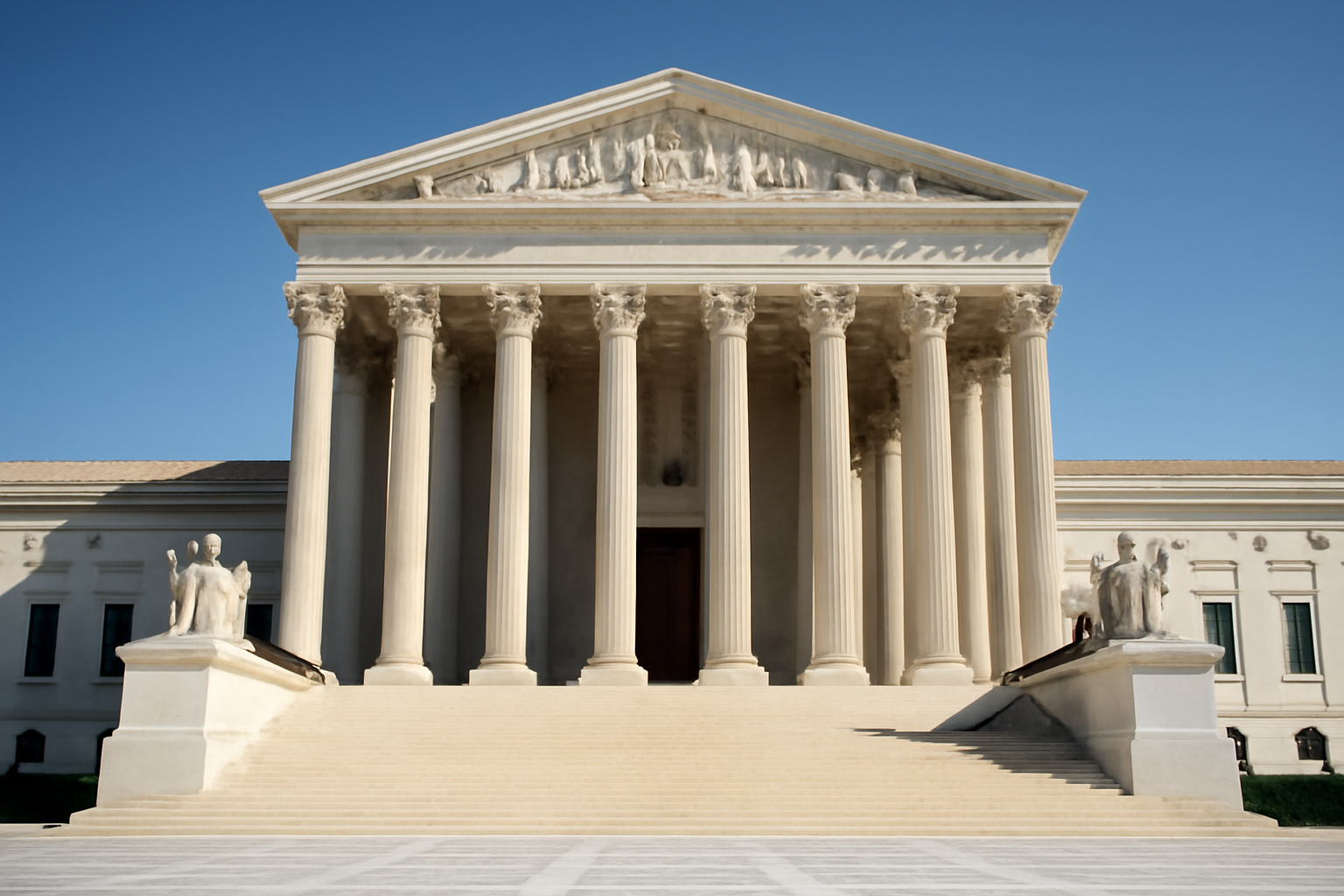
Opinion/Commentary. The Salt Lake Tribune published an opinion column this month headlined 'Opinion: A four-step plan to rein in the Supreme Court'. The full text of the column was not available to this desk at the time of writing, so the four specific steps the author proposes cannot be confirmed or evaluated here. What is confirmed is the headline itself and the framing: a call to limit the Court's power through some combination of structural changes.
"A four-step plan to rein in the Supreme Court" — Salt Lake Tribune headline
What does "reining in" the Supreme Court typically mean?
When opinion writers and lawmakers talk about curbing the Court, the proposals almost always fall into a narrow set of categories: imposing term limits on justices (the Constitution currently sets none), writing a binding code of ethics enforceable by someone other than the justices themselves, stripping the Court's jurisdiction over certain categories of cases by statute, or expanding the number of seats on the bench. None of those mechanisms require a constitutional amendment on their own — Congress has statutory authority over the Court's size and much of its jurisdiction under Article III — but each would reshape the balance of power between the branches in a way that outlasts any single administration.
Why does this debate keep resurfacing?
The pattern is consistent: whichever political coalition loses a major case tends to revive court-reform proposals shortly after. That dynamic is part of why structural changes to the judiciary are hard to pass — they look different depending on which party controls Congress and the White House when the proposal is written. A related HTT explainer on federalism lays out why the framers split power across branches and levels of government specifically to make rapid, partisan reconfiguration of any one institution difficult.
Does judicial accountability happen anywhere right now?
Yes, at the state level, where some high courts face enforcement mechanisms federal justices do not. The ongoing dispute over Wisconsin Circuit Judge Hannah Dugan's law license — now before the Wisconsin Supreme Court — is an example of a state judiciary exercising disciplinary power over one of its own, something the federal Supreme Court has no equivalent body to do to itself.
What would it actually take to change how the Court operates?
Any of the standard proposals — term limits, an enforceable ethics code, jurisdiction-stripping, expansion — would require ordinary legislation passed by Congress and signed by a president, not a constitutional amendment, according to the Article III framework itself. That is also why none of them have passed: they require the same majorities that are, at any given moment, benefiting from the Court's current composition.
What to watch
- Whether the Tribune column's specific four steps, once reviewed in full, match the standard reform menu (term limits, ethics code, jurisdiction-stripping, expansion) or propose something narrower.
- Whether any member of Congress introduces matching legislation this term.
- Whether state-level judicial discipline cases, like Wisconsin's, get cited as a model argument in the federal debate.
Questions
What is the Salt Lake Tribune's four-step plan for the Supreme Court?
The op-ed's headline references a four-step plan, but the specific steps were not available in the source material reviewed for this piece.
Can Congress limit the Supreme Court's power without a constitutional amendment?
Congress has statutory authority under Article III over the Court's size and much of its jurisdiction, so measures like term limits, jurisdiction-stripping, or an ethics code could be passed as ordinary legislation.