politics
SCOTUSblog Maps Where Justices Back Trump on Emergency Docket
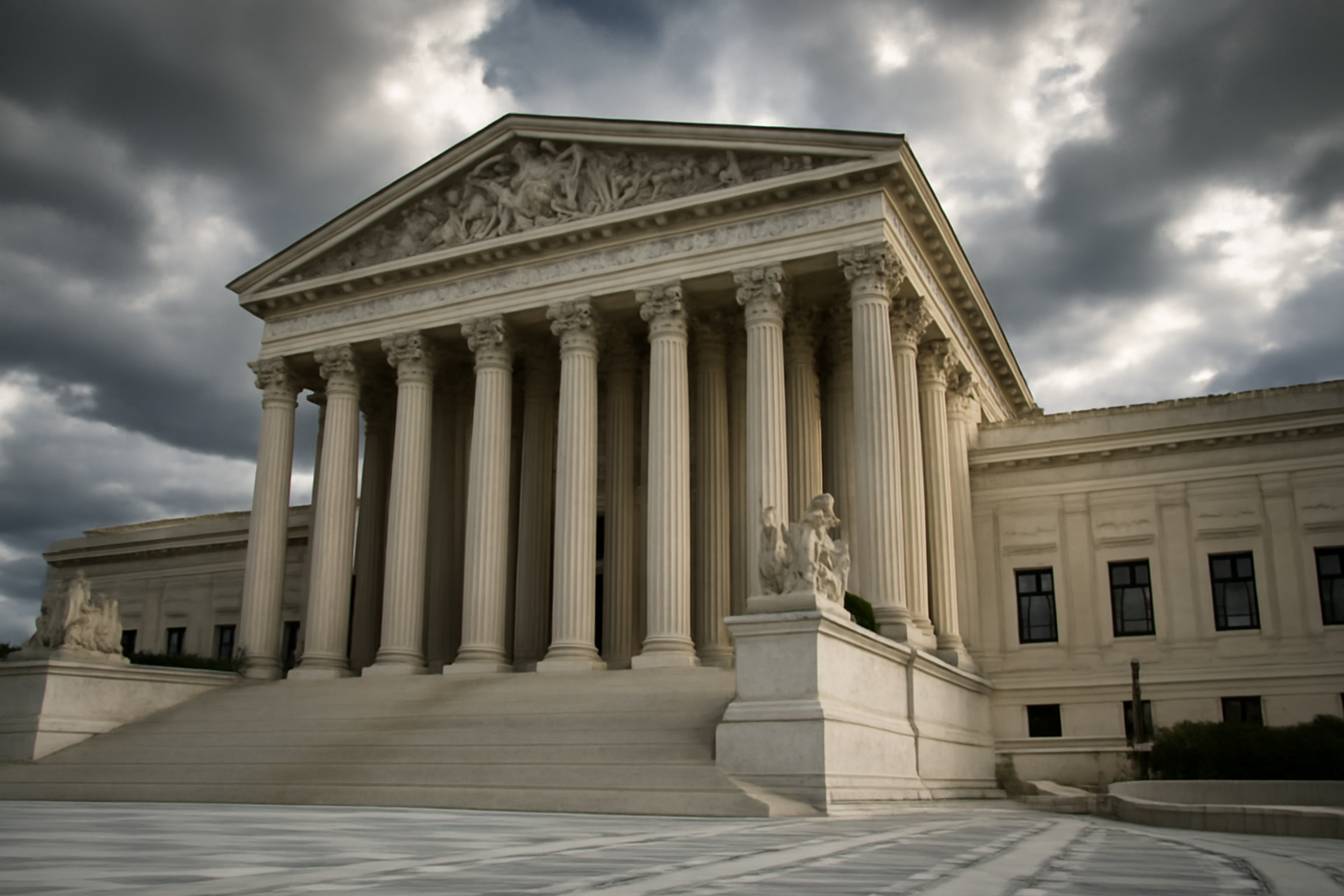
Opinion
SCOTUSblog's latest accounting of the Supreme Court's emergency-docket work sorts the justices' recent orders into two columns: cases where they have given the Trump administration the relief it asked for, and cases where they have not, according to the outlet's own framing in its report.
"Where the Supreme Court favors Trump on the emergency docket – and where it doesn't" — SCOTUSblog
That headline, not a partisan talking point, is the actual thesis. It cuts against both the claim that the Court is a rubber stamp for the executive branch and the claim that it has become a check on it. The record, as the outlet frames it, is mixed.
What Counts as the Supreme Court's "Emergency Docket"?
The emergency docket — sometimes called the shadow docket — covers applications for stays, injunctions pending appeal, and other urgent relief that the Court decides outside its normal argument calendar. These matters typically arrive after a lower court has already ruled, and a losing party asks the justices to pause that ruling, or let it take effect, while the underlying appeal continues. Orders on this docket are often brief, sometimes unsigned, and frequently issued without the full briefing and oral argument that accompany merits cases.
How Does an Emergency Application Actually Move Through the Court?
The mechanism is procedural, not political. An application is filed with the justice assigned to the relevant federal circuit. That justice can act alone, refer the matter to the full Court, or call for a response from the opposing party before any ruling issues. The full Court then confers and issues an order — a grant, a denial, or occasionally a more detailed explanation, with individual justices free to write separately in dissent or concurrence. Nothing in that sequence requires or forecloses a result favorable to any particular administration; the docket exists to handle time-sensitive disputes, not to pre-sort outcomes by litigant.
What Does a Mixed Record Actually Tell Us?
If SCOTUSblog's own framing holds — relief granted in some disputes, denied in others — then neither side's preferred narrative survives intact. Critics who argue the Court has become an arm of the executive branch have to explain the denials. Supporters who argue the Court has reliably checked the administration have to explain the grants. A split record is the normal output of a docket built case-by-case, on the specific harm alleged and the specific relief requested, rather than on the identity of the administration asking.
Why the State and Lower-Court Pattern Looks Similar
The same caution shows up outside Washington. The Wisconsin Supreme Court recently held off on suspending Hannah Dugan's law license rather than act immediately, according to a related HTT report — a state high court choosing delay over a summary ruling in a politically charged matter. Separately, HTT has reported that election fraud cases are rising amid integrity concerns nationally, according to its coverage, a trend that keeps feeding emergency-type disputes into both state and federal courts. None of these matters sits on the same docket as the Supreme Court's Trump-administration applications, but the pattern across them is consistent: courts at multiple levels appear more inclined toward incremental, fact-specific rulings than sweeping ones.
What the Federalism Framework Adds
The reason emergency-docket fights keep landing at the Supreme Court in the first place is structural. As a related primer on federalism lays out, the division of authority between federal and state power, and between branches of the federal government, is exactly what produces disputes over whether an executive action can take effect immediately or must wait. The emergency docket is the mechanism through which that structural friction gets resolved on a deadline, case by case, rather than resolved once for all future administrations.
Readers looking for the specific case-by-case ledger — which applications the administration won and which it lost — should consult SCOTUSblog's full accounting directly. The broader point stands regardless of the final tally: a docket built to answer narrow, urgent questions will keep producing a record that satisfies neither side's talking points completely, and that is a feature of the process, not a flaw in it.