politics
What We Know About the Supreme Court's Transgender Inmate Order
Opinion
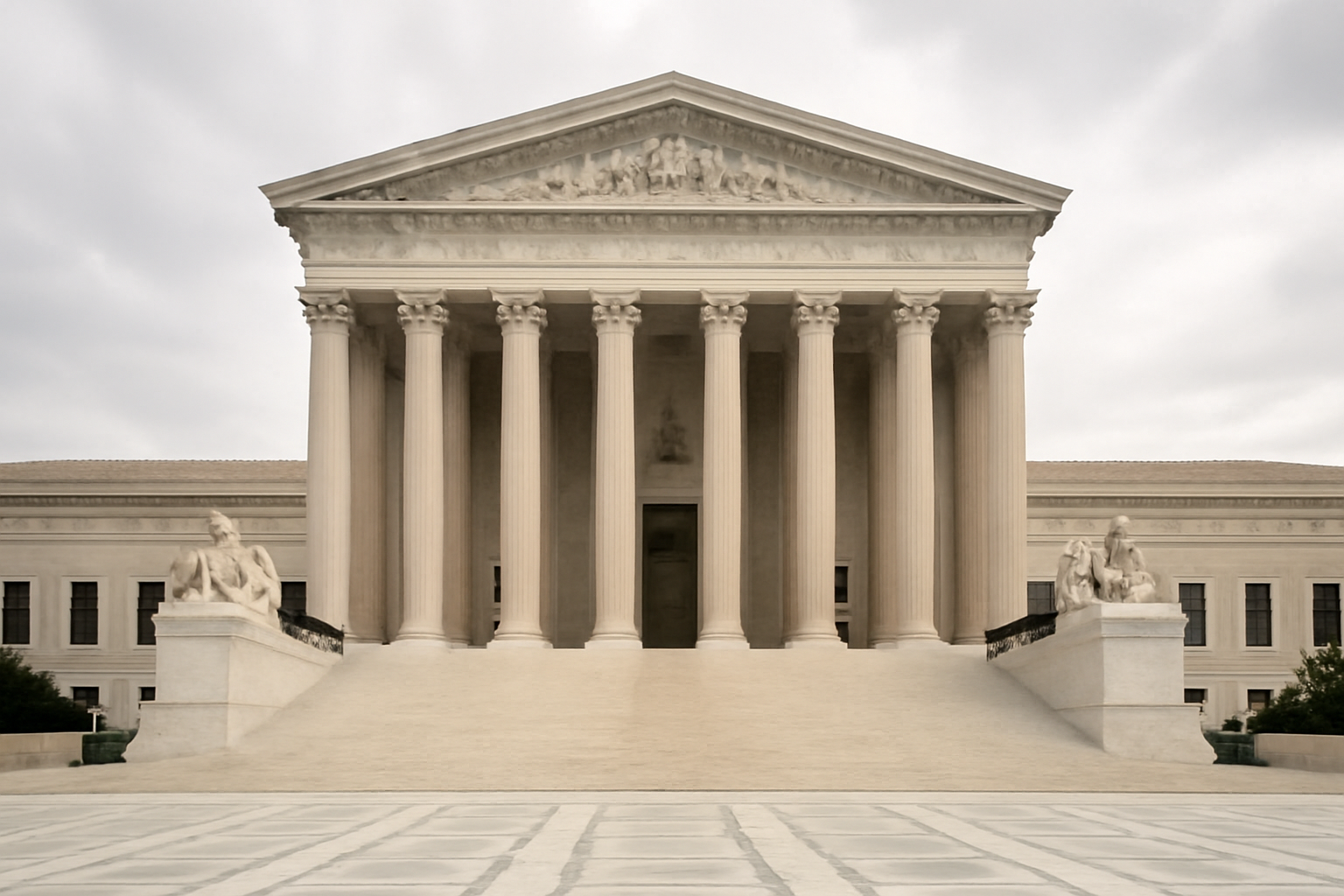
The Supreme Court declined the Trump administration's request to enforce restrictions on transgender federal inmates, according to Reuters. The order leaves whatever lower-court ruling currently governs that policy in place while litigation over it continues.
What did the Supreme Court actually do?
Based on Reuters' reporting, the Court turned down an emergency request from the administration to put its transgender-inmate policy into effect. A denial of emergency relief is not a ruling on the merits of the underlying dispute. It simply means the policy cannot take effect, for now, while the case moves through the lower courts.
What restrictions was the administration trying to enforce?
Reuters' initial report did not spell out the specific contours of the policy — whether it concerned housing placement, medical care, or some other condition of confinement. Until the full order or the underlying lower-court record is examined, any characterization of the policy's scope beyond "restrictions on transgender inmates" would be speculation, and that's not something worth doing here.
Why didn't the Court explain its reasoning?
The Supreme Court frequently resolves emergency applications — the so-called shadow docket — without a full written opinion. Justices sometimes note dissents; often they don't explain a denial at all. That pattern is standard practice for emergency relief requests generally, not unique to this case, and it means outside observers are usually left to infer the Court's rationale from the lower-court record rather than from the justices themselves.
What happens to the case now?
A denial of emergency relief sends the matter back to the ordinary appellate track. The lower-court order that blocked the administration's policy stays in effect while the case continues there. The administration is not foreclosed from pursuing the matter further; it has simply lost, for now, its bid to jump the line and implement the policy before the litigation runs its course.
What should be watched next?
This is a procedural setback for the administration, not a final word on federal prison policy for transgender inmates. The more consequential questions — what authority the Bureau of Prisons has to set housing and medical policy, and how courts weigh that authority against inmates' claims — remain unresolved. Anyone arguing this order settles the underlying policy debate is overstating what the Court actually did. It denied emergency relief; it did not decide the case. The next filings in the lower courts, not another Supreme Court order, are where the substance of this fight will actually get argued.
For broader context on how federal and state authority intersect in disputes like this one, see Understanding Federalism: A Concise Guide.