politics
Wisconsin Says 2026 Voting Rules Unchanged Amid Federal Debate
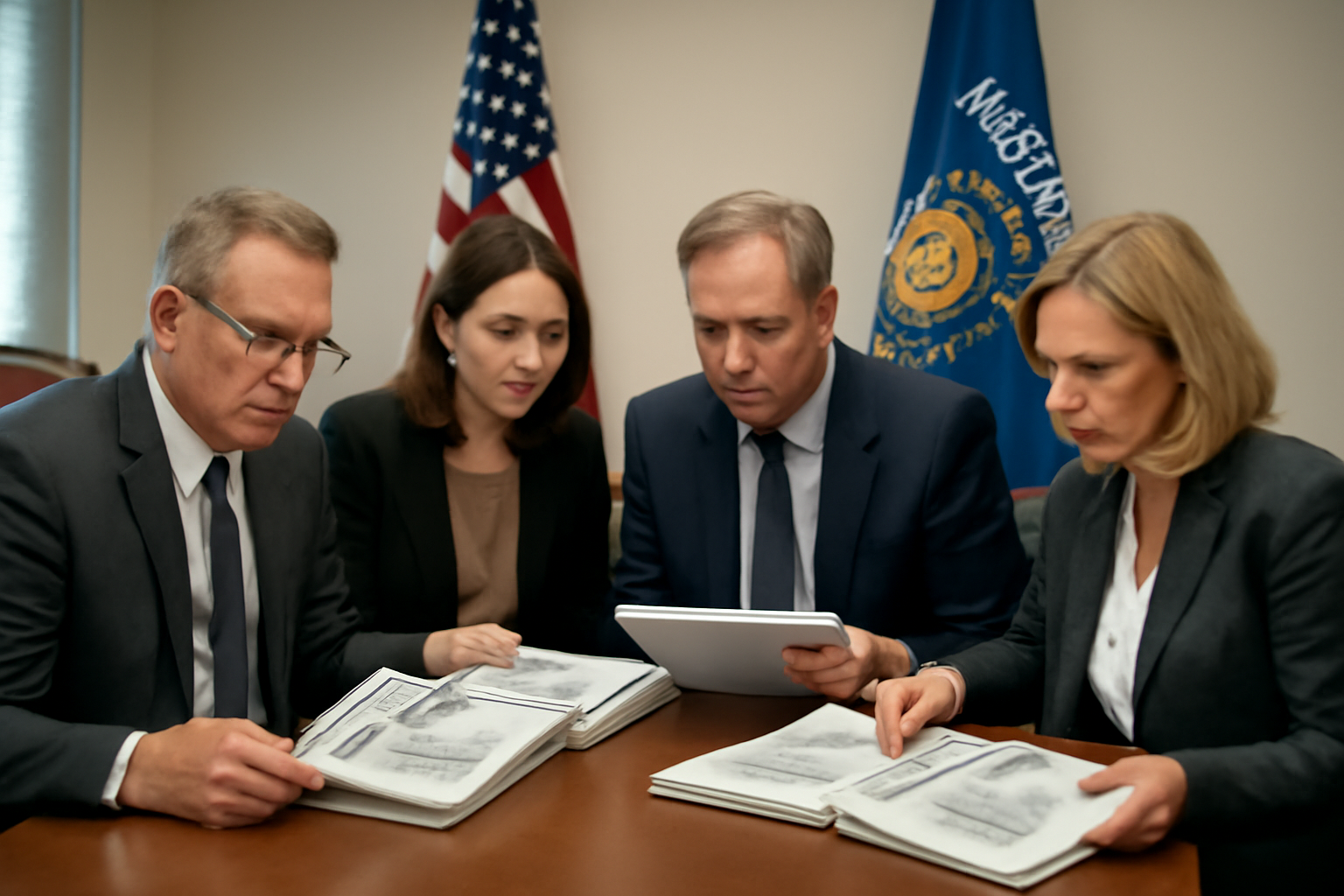
Opinion. This is a commentary analysis from the Quote Conservative Commentary Desk.
Wisconsin election officials, responding to a swirl of federal-level election debates, say the rules governing the state's November 2026 election have not changed, according to Civic Media's reporting. The message from Madison is simple: whatever is happening in Washington, the mechanics of how Wisconsinites cast and count ballots this fall are not up for debate at the state level.
What are Wisconsin officials actually confirming?
The core claim reported by Civic Media is procedural, not political: existing voting rules stand for the November 2026 contest. That matters because every election cycle now arrives with speculation about last-minute changes — to ID requirements, absentee deadlines, or drop-box availability. Officials closing that door before the fall ballot is printed removes one variable from an already contested environment. It also puts the burden on anyone claiming otherwise to show a specific rule change, rather than relying on the general noise surrounding federal election fights.
Why is there a federal election debate right now?
The national backdrop is one of sustained argument over how elections should be run and policed, a debate playing out in courtrooms as much as in Congress. HTT News has reported that U.S. election fraud cases are rising amid integrity concerns nationwide, a trend that fuels calls in Washington for uniform federal standards on voter identification, mail ballots, and verification procedures, HTT News reported. That rise in litigation is precisely the kind of pressure that makes a state like Wisconsin's flat statement — rules unchanged — newsworthy. Officials are drawing a line between federal argument and state administration.
Does Washington actually control how Wisconsin runs its elections?
This is where the dispute is really being fought, and it is worth being blunt about it. Under the American constitutional structure, states set the time, place, and manner of their own elections, with Congress retaining only limited oversight power. That division of labor is the subject of a broader primer on federalism published by this outlet, which lays out how authority is split between Washington and the states on exactly this kind of question, Quote Conservative explained. Wisconsin's position — that federal-level debate does not automatically rewrite state election law — is consistent with that structure. Critics who want national standards argue the opposite: that patchwork state rules create exactly the kind of uneven administration driving fraud litigation in the first place. Both arguments deserve to be weighed on their merits rather than dismissed.
What does the rise in fraud litigation tell voters about the stakes?
The honest answer is that litigation volume is evidence of distrust, not proof of outcome. More fraud cases filed does not by itself mean more fraud occurred; it can equally reflect more aggressive challenges, tighter scrutiny, or political incentive to litigate. What it does confirm is that the environment around the 2026 midterms is more adversarial than in a typical cycle. Wisconsin officials reaffirming unchanged rules is, in that light, a defensive move as much as an administrative one — an attempt to foreclose the kind of last-minute rule disputes that have fed litigation elsewhere.
What's the timeline leading into November?
The sequence matters for anyone trying to follow the thread. On September 17, 2026, HTT News documented rising election fraud litigation nationally. The same day, this outlet published its federalism primer explaining the constitutional division of election authority. Weeks later, with the November 2026 general election approaching, Wisconsin officials used that same federal-versus-state framework to tell voters nothing in the state's voting procedures is changing. The pattern is consistent: national argument rises, state officials respond by reasserting their own authority over administration.
What should Wisconsin voters take from this?
Voters should treat the unchanged-rules statement as exactly what it is — a procedural assurance, not a political endorsement of either side in the federal debate. The fight over who should set election rules, Washington or the states, is legitimate and unresolved. But Wisconsin's position gives voters a fixed point: the rules they used last cycle are the rules in effect this November, regardless of how the national argument resolves.
Questions
Did Wisconsin change its voting rules for the November 2026 election?
No. Officials told Civic Media the state's existing voting rules remain in effect for November 2026 despite ongoing federal election debates.
Does the federal government set state election rules?
Under the constitutional structure, states set the time, place, and manner of their own elections, with Congress holding only limited oversight authority, as outlined in Quote Conservative's federalism primer.