politics
Kagan Calls Supreme Court's Conservative Majority a 'Nightmare'
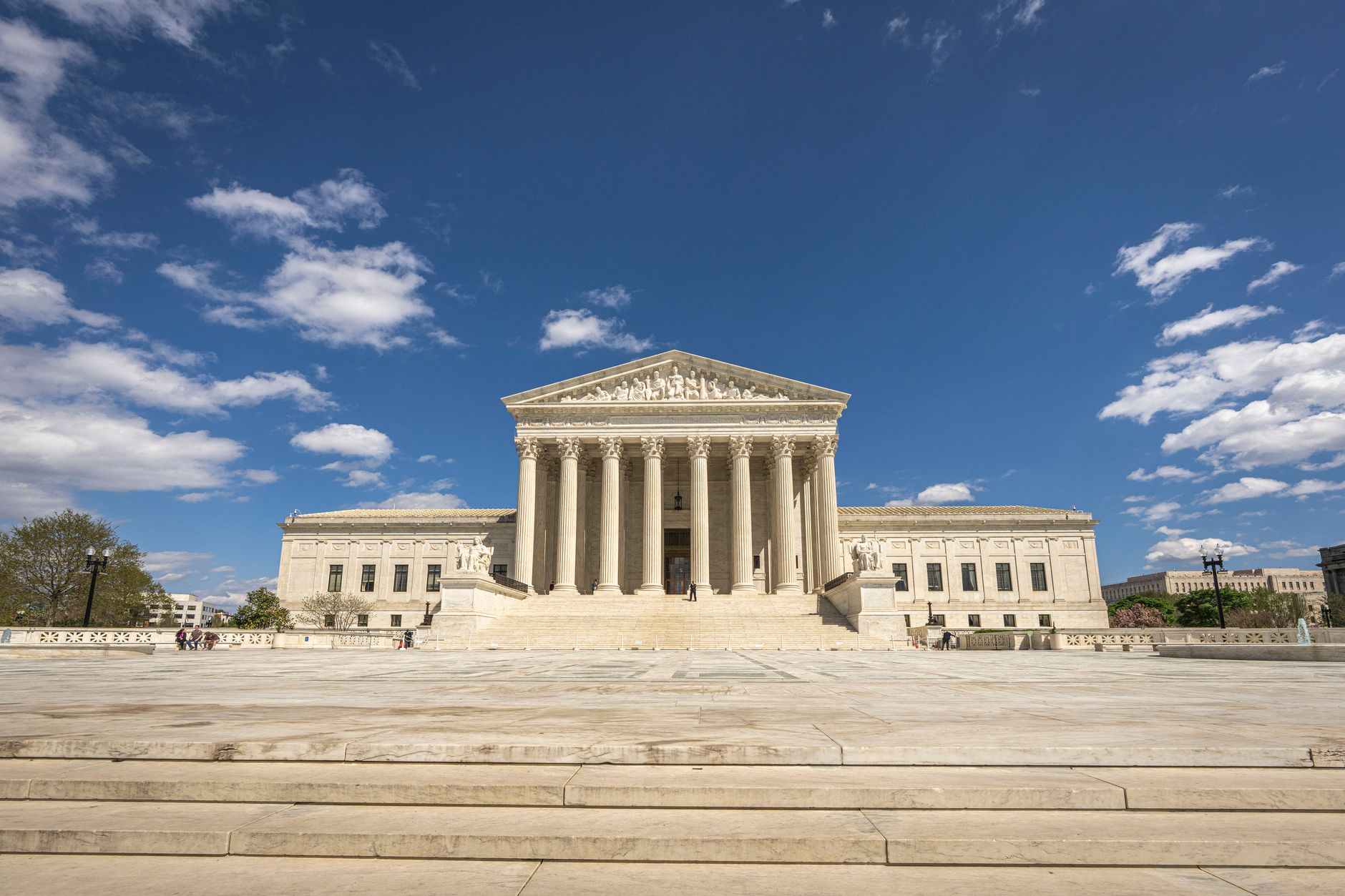
Opinion. Supreme Court Justice Elena Kagan says the court's conservative majority has turned the American political system into "a nightmare," according to the Guardian's report on her remarks. The line is short, the implication is not: a sitting justice telling an audience that her own institution's majority has made self-government harder to live with.
What did Kagan actually say?
The Guardian's account quotes Kagan describing the effect of the court's conservative majority on the broader political system in blunt terms — "a nightmare." The report does not attribute to her a specific case, docket number, or legal theory in that phrase. That matters for how the remark should be read. It is a characterization of outcomes, not a legal argument against a particular ruling, and treating it as the latter would overstate what is on the record.
"A nightmare." — Justice Elena Kagan, describing the effect of the Supreme Court's conservative majority on the U.S. political system, as reported by the Guardian
Why does it matter that a justice said this in public?
Supreme Court justices do not typically narrate the court's internal ideological divisions for a general audience. When one does, the remark tends to be read less as legal commentary and more as a verdict on legitimacy — whether the public should trust the institution's current composition to decide the cases that reach it. That is a different kind of claim than disagreeing with a ruling's reasoning, and it invites a different kind of scrutiny. A justice saying the system has become unworkable is itself a political statement, even when delivered by someone whose job is to interpret, not legislate.
What is the case for taking Kagan's framing seriously?
The argument in Kagan's favor is straightforward: she sits on the court and watches its internal votes and reasoning up close. If a justice with that vantage point says the majority's approach has produced dysfunction, that is a data point worth weighing, not dismissing. Justices dissent in writing constantly; saying so in plainer language to a public audience is a continuation of that practice, not a departure from it.
What is the case against treating 'nightmare' as evidence of a problem?
The argument against leaning on the word "nightmare" as proof of institutional failure is just as simple: it is an adjective, not an argument. A justice who has been outvoted by a six-member majority for years has an obvious institutional and ideological interest in describing the result as broken. The Guardian's report, as supplied, does not include the specific rulings, doctrines, or votes Kagan was referencing, which makes it impossible to test the claim against the actual legal reasoning she is criticizing. Readers are being asked to accept a conclusion — dysfunction — without the underlying case file.
That gap is the real story here. Calling the system "a nightmare" is rhetorically efficient and legally unfalsifiable at the same time. It does the work of signaling alarm without obligating anyone to defend a specific doctrinal claim against specific counterarguments, which is exactly the kind of exchange the court's own opinions are supposed to force. For a reader trying to evaluate whether the conservative majority has, in fact, made constitutional governance harder, the honest answer is that the quoted remark alone cannot settle it.
How does this fit the larger fight over judicial power?
Disputes over whether the Supreme Court or individual state courts have overstepped are not new, and they rarely resolve on rhetoric alone. A useful way to separate the political temperature from the legal substance is to look at the actual doctrinal lines being drawn — on federal versus state authority, for instance, which Quote Conservative has laid out in a plain-language guide to federalism. Every side in these disputes — justices included — has an incentive to describe the other side's wins as a crisis. The test is whether the description survives contact with the actual opinion, the actual vote count, and the actual statute or constitutional provision at issue.
What should readers watch for next?
The next useful piece of information is not another adjective from either side of the court's ideological split. It is the text of whatever ruling or line of rulings Kagan was referring to when she used the word "nightmare," and whether her objection tracks the reasoning in the majority's opinions or simply the outcomes. Until that text surfaces, the remark is worth noting as a signal of institutional strain inside the court — and worth treating as exactly that, a signal, not a verdict.
Artiglio is A coming-soon iPhone chief of staff for briefings and drafts. Not on the App Store yet.
Questions
What did Justice Elena Kagan say about the Supreme Court's conservative majority?
According to the Guardian, Kagan said the conservative majority has made the U.S. political system 'a nightmare,' though the report does not cite a specific case or ruling tied to the remark.
Did Kagan name a specific ruling when she made the comment?
The available reporting does not attribute a specific case, docket, or legal theory to the remark; it is described as a general characterization of the majority's effect on the political system.