politics
San Francisco — California Supreme Court Names Judicial Ethics Panel
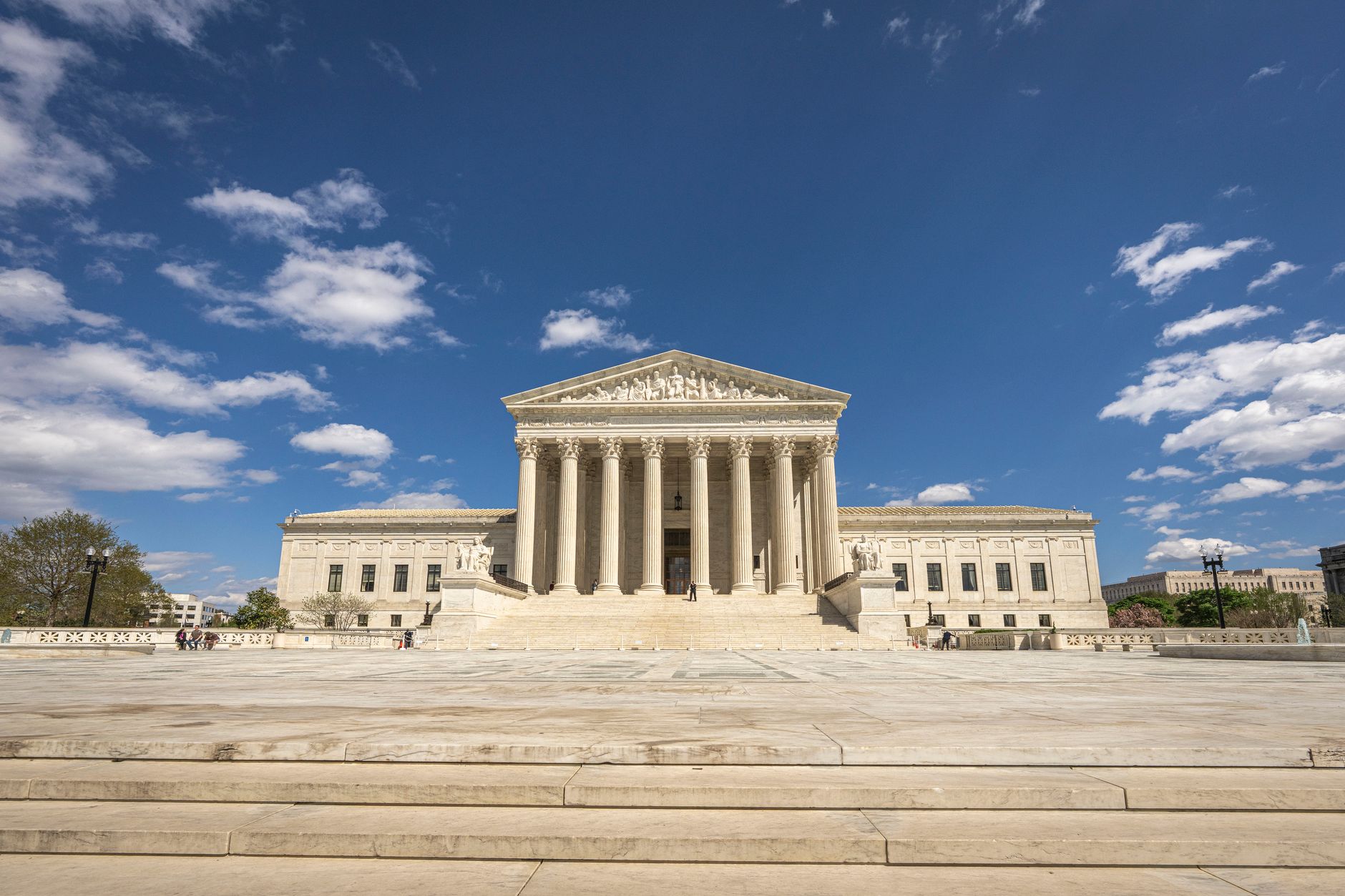
The California Supreme Court has made new appointments to the Committee on Judicial Ethics Opinions, according to a release from California Courts Newsroom, the judiciary's official press outlet. The release confirms the fact of the appointments but, as circulated, does not name the appointees, their terms, or the vacancies they fill.
What did the court actually announce?
The only confirmed fact is the headline act itself: the Supreme Court made appointments to a standing committee that, by its own title, exists to issue opinions on judicial ethics. No further operational detail — number of seats filled, length of terms, or criteria used — appears in the publicly available notice. That gap is itself worth flagging before anyone treats this as a fully reported story.
What is the Committee on Judicial Ethics Opinions supposed to do?
The committee's name describes its function: it exists to produce ethics opinions for the judiciary. Beyond that, the public notice offers no description of its scope, its advisory authority, or who may request an opinion from it. A body whose job is to police the conduct of judges deserves more public explanation than a one-line appointment notice.
Why does who sits on this panel matter?
Judicial ethics committees do not write laws; they interpret conduct rules for sitting judges, and their advisory opinions can shape how discipline cases are argued later. When the same court that appoints a judge also appoints the people who advise on that judge's ethical conduct, the structure is closed-loop by design. That is not necessarily wrong — most state ethics panels work this way — but it is a legitimate reason for the public to ask who got the seats and why, not just that seats were filled.
Why wasn't more detail released?
That is the fair question raised by this story, not answered by it. A government newsroom item that announces appointments without naming the appointees leaves a reporting gap the court itself could close with a follow-up release or a public roster. Until then, this is a story about what the court said it did, not about who is now doing it.
How does California's approach compare elsewhere?
Contrast this with Wisconsin, where a Supreme Court decision on Judge Hannah Dugan's law license played out with named parties, public briefing, and a reasoned opinion the public could read in full. California's ethics-committee appointments, by contrast, arrived as a bare administrative notice. Readers interested in how state courts police their own, and why federal structure leaves that job almost entirely to the states, can find more on that dynamic in Understanding Federalism: A Concise Guide.
The appointments stand as announced. What remains unanswered — who was picked, for how long, and under what standard — is the part of this story the court has not yet told.
mindfulAI Keyboard — An iPhone keyboard that rewrites a draft in a tone you pick. Four free AI actions a day.