politics
White House AI Framework Prioritizes Federal Preemption
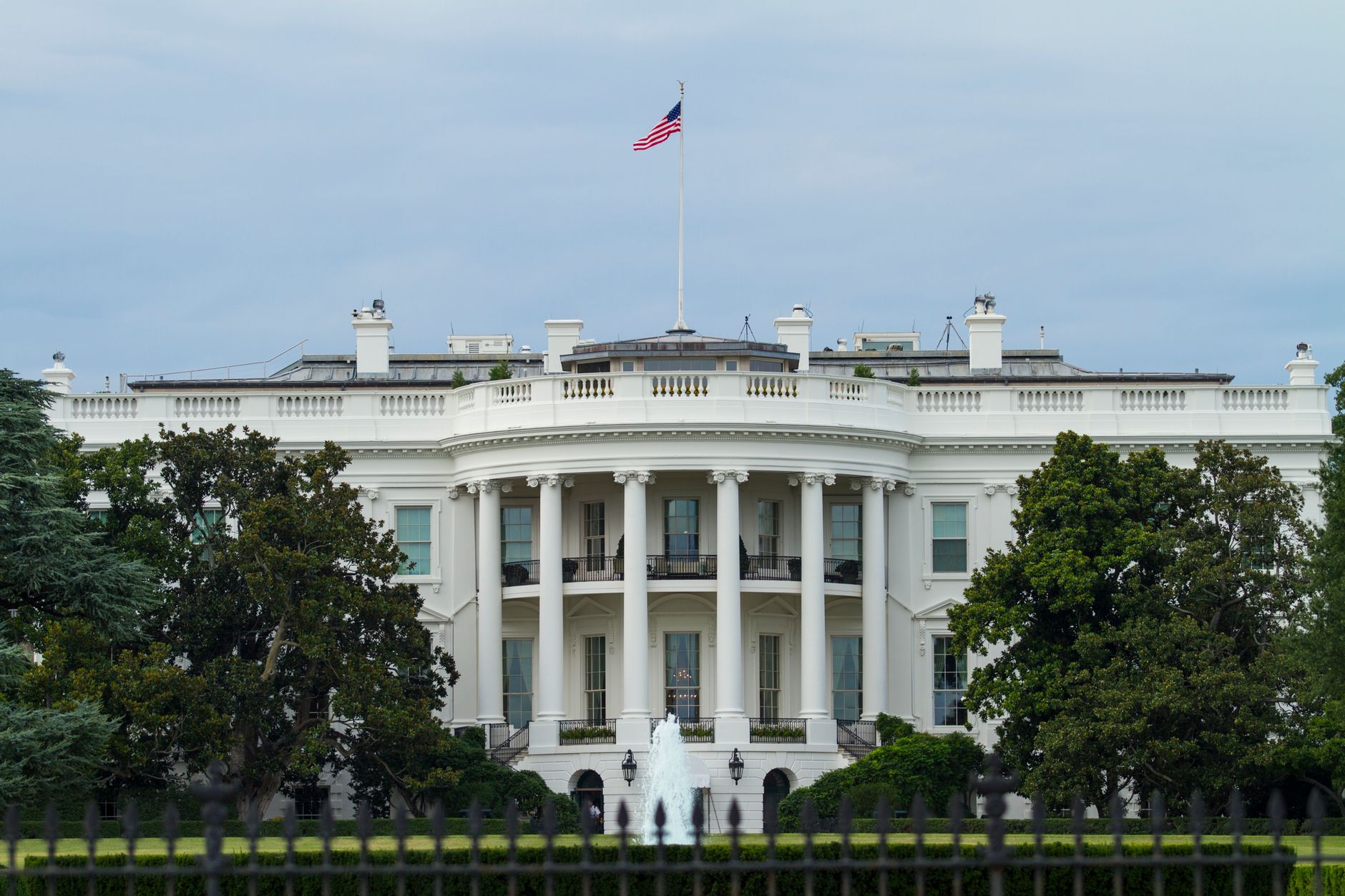
Opinion. The White House's new AI policy framework puts federal preemption of state law at the center of the fight over who gets to regulate artificial intelligence, according to an analysis from the law firm Morgan Lewis, flagged in Google News coverage of the rollout. That framing alone is the story worth arguing about.
What does the framework actually say about preemption?
Morgan Lewis's write-up identifies preemption as the organizing principle of the administration's approach, not a side issue. The firm's analysis treats the federal-versus-state question as the central tension the framework is built to resolve, rather than one of several technical provisions buried in an appendix. That is a notable editorial choice by the firm covering it, and it tells conservatives exactly where the fight is headed: Washington versus the states, not Washington versus Silicon Valley.
Why does federal preemption matter here?
States have moved fast on AI — consumer protection rules, deepfake disclosure laws, hiring-algorithm audits — because Congress has not passed comprehensive AI legislation. A federal framework built around preemption would attempt to override that patchwork with a single national standard. Industry groups favor that outcome because fifty different compliance regimes are expensive. States' rights advocates see it differently: preemption here means Washington telling California, Texas, and everyone else that their legislatures do not get a vote on how AI is governed inside their own borders.
A framework that starts with preemption is a framework that starts by deciding who loses the argument before it begins.
Is this a federalism problem or a federalism solution?
The honest answer is both, depending on where someone sits. Supporters of preemption argue a single national AI standard protects interstate commerce and keeps America's AI industry globally competitive against China. Opponents argue the Constitution reserves broad regulatory authority to the states precisely so Washington cannot impose one-size-fits-all rules on fast-moving technology before anyone understands its risks. As Quote Conservative's own explainer on federalism lays out, the American system was built on the premise that states function as policy laboratories — a premise a preemption-first AI framework would partially suspend for this technology.
What happens to state AI laws already on the books?
That is the open question Morgan Lewis's analysis raises without fully answering in the coverage available. If federal preemption is as central as the framework suggests, state laws already enacted on deepfakes, algorithmic hiring, and consumer disclosure face a direct legal challenge the moment the federal rule takes effect. Legislators in states that moved first on AI accountability should be asking now, not later, whether their statutes survive contact with a federal preemption clause.
What should conservatives watch for next?
The test is whether the final framework preempts narrowly — clearing out conflicting state mandates on interstate AI products — or broadly, foreclosing state authority on AI entirely. Those are very different outcomes for federalism, and the distinction will be fought out in the text, not the press release.
Questions
What is federal preemption in the context of AI regulation?
Federal preemption means a national rule overrides or replaces state laws on the same subject, which is why the White House AI framework's emphasis on preemption directly affects existing state AI statutes.
Why are state AI laws at risk under the new framework?
Morgan Lewis's analysis frames preemption as central to the White House framework, meaning state laws on issues like deepfakes and algorithmic hiring could be challenged once a federal standard takes effect.