politics
Idaho Supreme Court Upholds Dismissal of Public Defender Suit
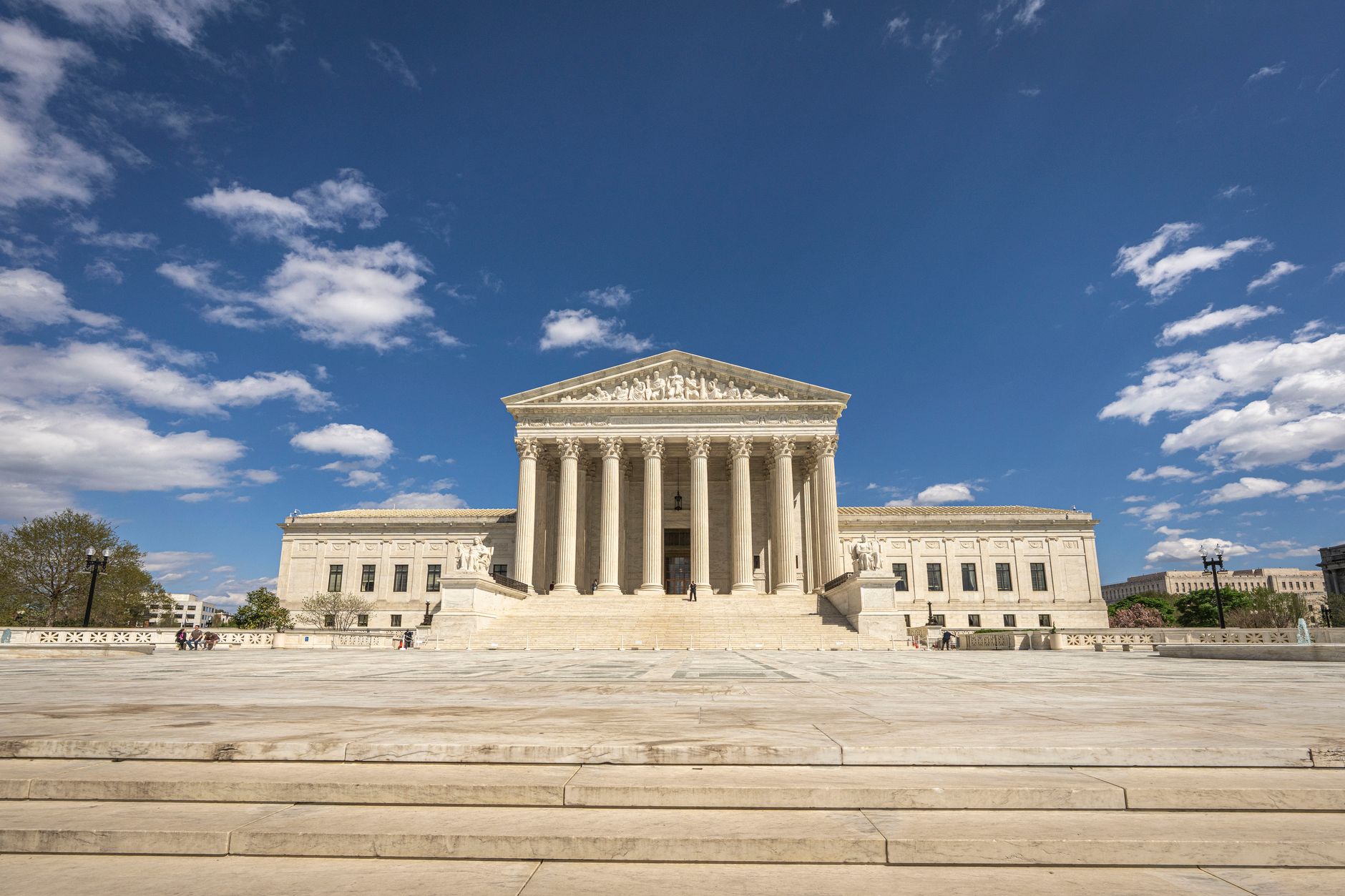
Opinion. The Idaho Supreme Court has upheld a district court's dismissal of a lawsuit that challenged the state's public defense office, according to a Spokesman-Review report carried on Google News. The practical effect is that Idaho's statewide public defense office keeps its current legal footing, at least until a different plaintiff or a different theory reaches the court.
The syndicated summary available for this piece does not include the full opinion text, the names of the parties, or the specific legal theory the challengers raised. That matters for anyone trying to assess the ruling on the merits, and readers should treat any claim about the court's reasoning with the same skepticism this desk applies to it: the headline fact — dismissal upheld — is confirmed; the "why" is not yet public in the material reviewed here.
What did the Idaho Supreme Court actually decide?
Based on the available reporting, the court affirmed a lower court's decision to dismiss the case rather than ruling on the substance of whatever claims were made against the state public defense office. Affirming a dismissal is not the same as endorsing the office's operations as sound policy; it is a statement that, as pled, the lawsuit did not survive. That distinction gets lost in headline-only coverage, and it is worth holding onto here: procedural wins for a state agency are not the same as substantive vindication.
Why does a state public defense office get challenged in court?
States have moved in different directions on how indigent defense is funded and run — some leave it to counties, others centralize it at the state level. Idaho is among the states that built a statewide public defense structure in recent years, a reform aimed at addressing concerns that county-by-county funding produced uneven representation for defendants who cannot afford a lawyer. Centralization of that kind routinely draws litigation from advocates on multiple sides: some argue state offices are underfunded or structurally compromised, others argue the state overstepped county authority to get there. The Spokesman-Review item referenced here does not specify which camp brought this particular suit, and this desk will not guess.
Why should this matter to readers outside Idaho?
The fight here is really about federalism in miniature — who controls a core government function, the state or the county, and what recourse exists when citizens think the arrangement fails constitutional minimums. Quote Conservative's explainer on federalism lays out the basic doctrine: states retain broad authority over how they organize courts and legal services, subject to federal constitutional floors like the right to counsel. An Idaho court dismissing a challenge to a state-run public defense system is, in that frame, a routine exercise of state courts policing state structures — exactly what federalism anticipates, for better or worse depending on one's view of the underlying policy.
How does this compare with other state supreme courts handling legal-system disputes this year?
Idaho's ruling arrives in a year when state supreme courts have repeatedly been asked to referee disputes over who controls the machinery of justice. In Wisconsin, the state supreme court this fall held off on suspending Milwaukee Judge Hannah Dugan's law license while related proceedings played out — another instance of a state's highest court declining to move fast on a structural question about who gets to practice law and under what conditions. The common thread is restraint: both courts, on the record available, chose procedural caution over a sweeping substantive ruling. Readers should not read more into that parallel than the record supports — the cases involve different facts, different courts, and different stakes.
What happens next in Idaho?
The dismissal being upheld does not necessarily end the underlying policy argument; it closes one legal avenue.
What to watch:
- Whether the plaintiffs or similar advocates refile with a narrower or amended legal theory that survives a motion to dismiss.
- Whether Idaho's legislature takes up funding or structural changes to the public defense office independent of litigation.
- Whether other states with centralized public defense systems face comparable challenges, given how common the underlying funding debate is nationally.
- Whether the full opinion, once more widely reported, reveals a standing problem, a mootness problem, or a merits-based rejection — each of which would carry very different weight for future litigants.
Until the opinion itself is more widely available, the honest summary is narrow: Idaho's top court let a dismissal stand. Everything else is inference, and inference is not reporting.