politics
Washington, D.C. — Supreme Court Lets Border Wall Work Continue
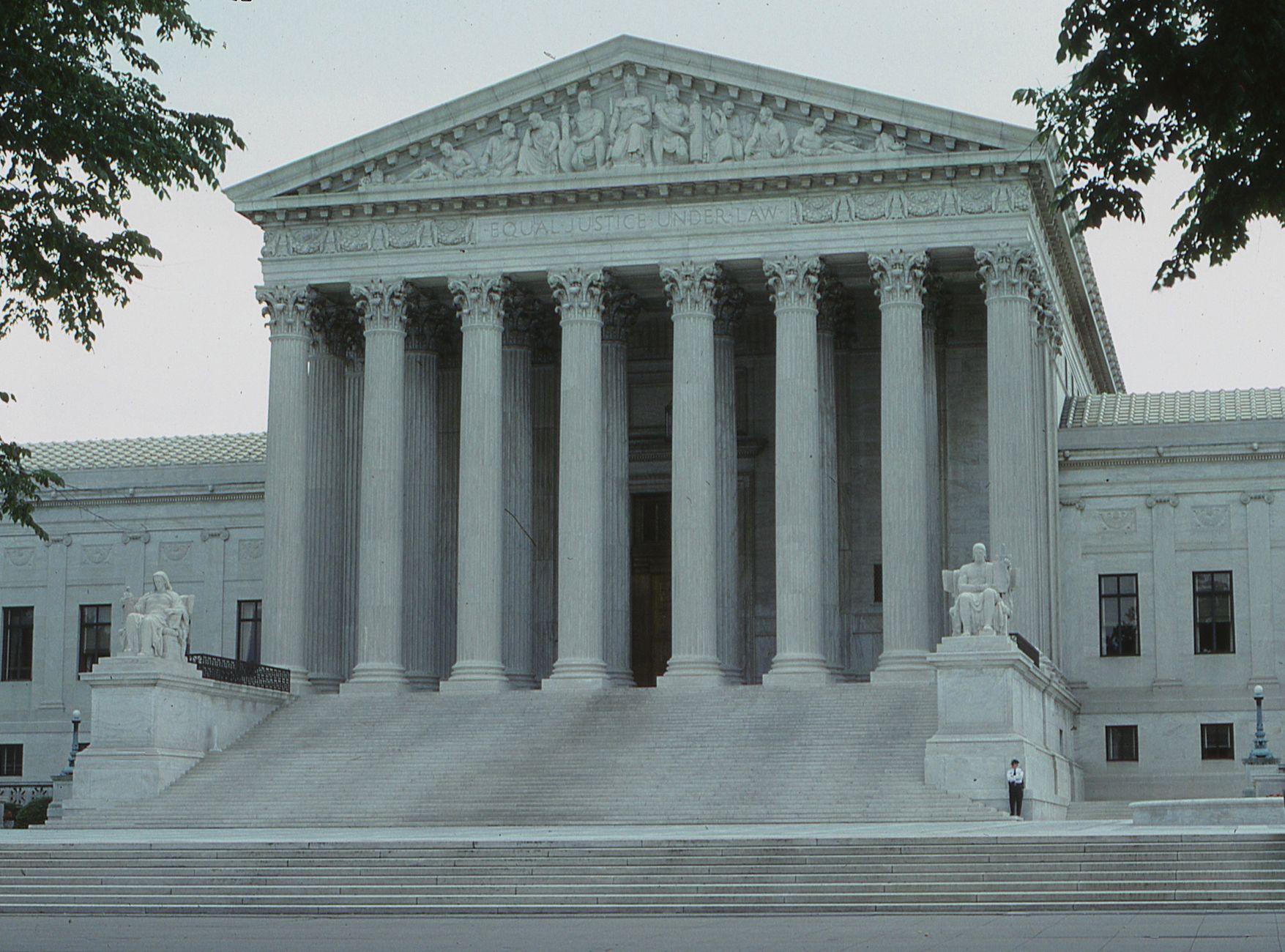
This is an opinion piece from Quote Conservative's Commentary Desk.
The Supreme Court has allowed the Trump administration to keep building the border wall, according to SCOTUSblog's reporting on the order. The decision leaves the administration's construction schedule intact while lower-court litigation over the underlying legal questions continues.
What did the Supreme Court actually decide?
SCOTUSblog's account describes an order permitting construction to proceed rather than a final ruling on the merits of the dispute. That distinction matters. An order allowing work to continue is not the same as a decision upholding every legal theory the administration has used to justify the project. It simply means that, for now, the challengers did not persuade the Court to halt construction while the case works through the courts.
That is a familiar posture for the Court on emergency applications: rule narrowly, let the lower courts do the fact-finding, and avoid writing a sweeping opinion before the record is complete. Critics who expected a broader endorsement of executive authority will not find one in an order of this kind. Supporters who expected vindication should likewise be cautious about overreading a procedural win as a permanent one.
Why does the ruling matter for border wall construction?
Construction delays carry real costs — contractors, materials, land acquisition timelines, all of it compounds when work stops and starts. Allowing the project to continue removes that uncertainty for now, which is the practical effect regardless of how the underlying legal questions eventually resolve. For an administration that has made border wall construction a visible marker of its immigration policy, an order permitting work to continue is a tangible, immediate outcome, even if it is legally provisional.
An order allowing construction to continue is not the same as a ruling that settles who ultimately controls the border.
How does this fit into the broader federalism debate?
Border wall litigation sits squarely inside the federalism questions that recur across American governance: which powers belong to the federal government, which belong to the states, and how courts referee disputes between them when federal land-use authority collides with state and local interests. Quote Conservative's own explainer on federalism lays out the basic framework for how that division of power is supposed to work in the constitutional design — a useful baseline for readers trying to sort rhetoric from structure in cases like this one. Read that explainer here.
The border wall fight is, at bottom, a federalism fight: does the executive branch have the authority it claims to build on the land it has targeted, and how far can courts go in second-guessing that authority before a final judgment? The Supreme Court's order does not answer that question. It postpones it.
What are critics saying about the decision?
The source material available does not include direct quotations from challengers or from the administration reacting to the order, so any claim about what either side is saying beyond the fact of the ruling itself would be unsupported. What can be said with confidence, based on SCOTUSblog's reporting, is that the order permits construction to continue and that litigation over the broader legal dispute remains unresolved. Readers should treat claims about motive or victory from either side with the same skepticism this desk applies to every contested legal fight until the underlying case reaches a final judgment.
What comes next for border wall funding and construction?
The practical next step is continued work on the ground while the litigation proceeds in the lower courts. Nothing in the available reporting suggests the Supreme Court has closed the door on future challenges; it has simply declined to stop construction in the meantime. That is consistent with a pattern visible elsewhere in the federal courts this year, including ongoing disputes over judicial authority and law licenses tied to immigration enforcement, such as the Wisconsin Supreme Court's recent decision to hold off on suspending a judge's law license in a related immigration-enforcement dispute.
The larger pattern worth watching is how courts continue to balance emergency relief against final judgment in cases where federal construction authority is contested. That balance, more than any single order, will determine whether this ruling turns out to be the last word or merely the latest one.
Questions
Did the Supreme Court make a final ruling on the border wall's legality?
No. According to SCOTUSblog's reporting, the order allows construction to continue while litigation over the underlying legal questions proceeds; it is not a final merits ruling.
What practical effect does the order have?
It removes the immediate threat of a construction halt, letting the Trump administration continue building the wall while the broader case works through the courts.